China Opens 134 Km Pinglu Canal Linking Inland Rivers to Sea
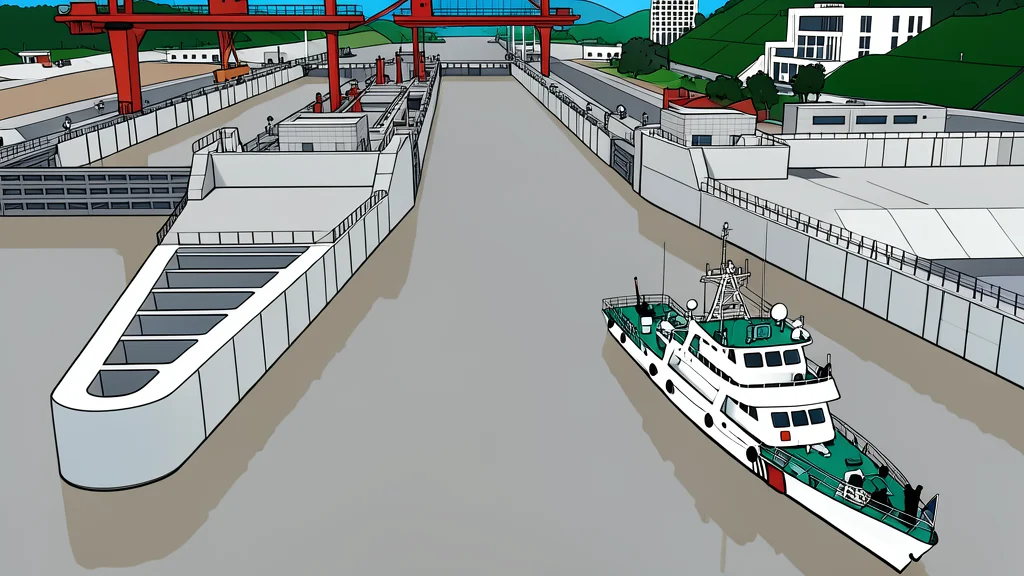
The new waterway cuts logistics costs for southwest China by bypassing traditional detours through Guangdong province.
Key points
- China opened the 134.2-km Pinglu Canal, its first major inland-to-sea waterway since 1949.
- The project cost US$10.3 billion and cuts logistics costs by 30 percent for some businesses.
- The canal bypasses a 500 km detour via Guangzhou, linking Guangxi directly to the Beibu Gulf.
China has formally inaugurated the Pinglu Canal, a 134.2-kilometre waterway that represents the country's first major inland-to-sea connection constructed since 1949. According to state media reports, the project was completed after four years of intensive work and carries a price tag of approximately US$10.3 billion.
The canal runs from the Ping River estuary in Hengzhou, Guangxi Zhuang Autonomous Region, directly to the Beibu Gulf. Previously, goods from southwest China had to travel over 500 extra kilometres via rail or road to reach ports in Guangdong province, such as Guangzhou. This new route provides a direct maritime outlet, reducing distance and complexity for regional trade.
Significant Reduction in Logistics Expenses
Industry stakeholders report immediate financial benefits from the new infrastructure. Su Yonghui, head of logistics at aluminium producer Geely Material, stated that the shift to waterway transport has lowered overall logistics costs by 30 percent. This transition has saved the company more than CNY10 million, or US$1.5 million, annually by eliminating the need for combined rail and road shipments from Qinzhou Port.
Baird Maritime notes that project organizers expect the canal to reduce annual transportation costs across the region by as much as US$735 million. The direct link to the Beibu Gulf is also anticipated to facilitate increased trade volumes with Southeast Asian partners, who previously faced higher friction costs due to the indirect routing requirements.
Engineering Challenges of Elevation Control
Constructing the canal required overcoming significant topographical hurdles, including the removal of 315 million cubic metres of material. To manage the 65-metre elevation difference between the river estuary and sea level, engineers installed three hubs with locking stations. These locks utilize advanced mechanisms designed for rapid operation, capable of opening within one minute and closing within 30 seconds to maintain efficient vessel flow.
Strategic Implications for Regional Trade
The opening of the Pinglu Canal marks a shift in the logistics landscape for southwest China. By providing a cost-effective and convenient outlet to the sea, the infrastructure reduces reliance on congested eastern ports. Observers suggest this development will strengthen the economic integration of the region with maritime supply chains, potentially altering established trade patterns in the South China Sea region.