Pentagon Report Details Extensive US Asset Losses in Iran Conflict
A new Department of Defense report reveals significant damage to US military assets and personnel in the region, challenging previous characterizations of the conflict's cost.
A report from the Department of Defense inspector general has detailed the extent of losses sustained by US forces during the recent conflict with Iran. According to the document, released on Monday, the United States lost dozens of aircraft, including at least 30 MQ-9 Reaper drones, while hundreds of structures used by US personnel were damaged or destroyed. This official account provides the first comprehensive assessment of the damage incurred between February 28 and June 30, revealing a scale of loss that exceeds earlier public acknowledgments.
The findings stand in contrast to recent statements by President Donald Trump, who has asserted that the US possesses virtually unlimited ammunition stockpiles. The inspector general’s report indicates that the US is facing bottlenecks in supply chains and shortages in munitions. Throughout the conflict, which began with US and Israeli strikes on Iran, Tehran conducted routine attacks on US bases in the Gulf region. While Gulf states and Washington initially reported that most incoming strikes were intercepted, the Pentagon’s data suggests substantial damage to facilities and equipment.
Personnel Casualties and Injury Statistics
The report confirms that at least 11 US military personnel were killed in action, with another seven dying in non-hostile events. These fatalities occurred across several locations, including Kuwait, Saudi Arabia, Jordan, and Iraq, resulting from Iranian attacks or aircraft crashes. Specifically, at least six personnel were killed at Kuwait’s Port Shuaiba, while others died at airbases in Jordan and Iraq. Additionally, the document notes that at least 417 US service members were wounded in Iranian attacks prior to the end of the reporting period.
Aircraft Losses Across Multiple Categories
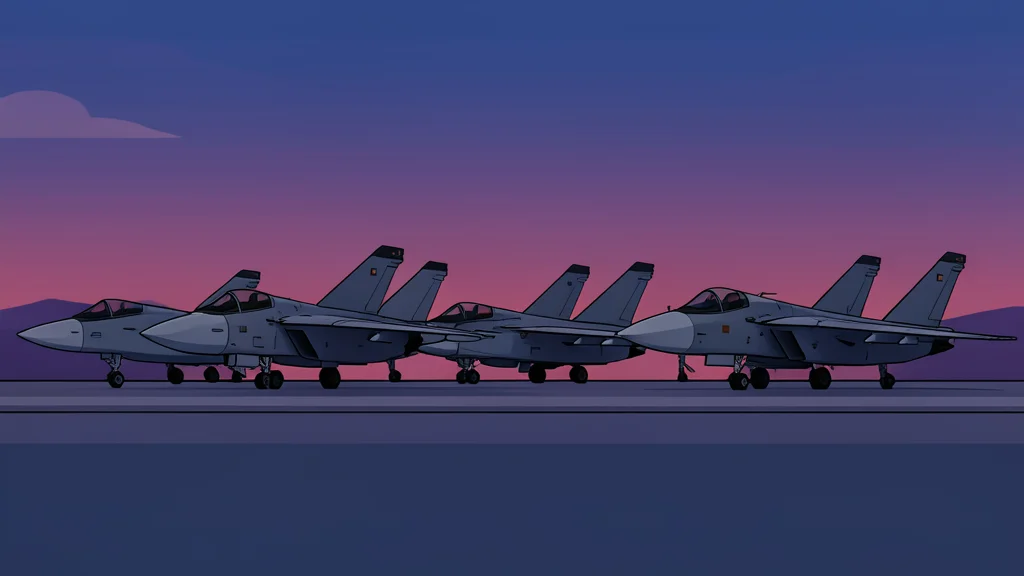
US losses extended to various types of aviation assets, from frontline fighters to support aircraft. At least four F-15E fighter jets were destroyed, with three lost to friendly fire over Kuwait in March and a fourth shot down over Iran in April. The report also records the damage or destruction of at least one F-35A stealth fighter and one A-10 ground-attack aircraft due to Iranian fire. Significant losses were reported among KC-135 aerial refueling tankers, with at least seven damaged or destroyed, including one crash in Iraq that killed six crew members.
Implications for Regional Supply Chains
According to Al Jazeera English, the report highlights a critical shortage of munitions and logistical challenges that contradict previous official narratives. The inspector general noted bottlenecks in supply chains that affected the US ability to sustain operations. This internal assessment suggests that the material cost of the conflict was higher than initially presented to the public, raising questions about the readiness of US forces in the region. The discrepancy between the official account and the inspector general’s findings may influence future strategic planning and resource allocation for US military operations.