Pezeshkian Highlights Nuclear Disparity at UN General Assembly
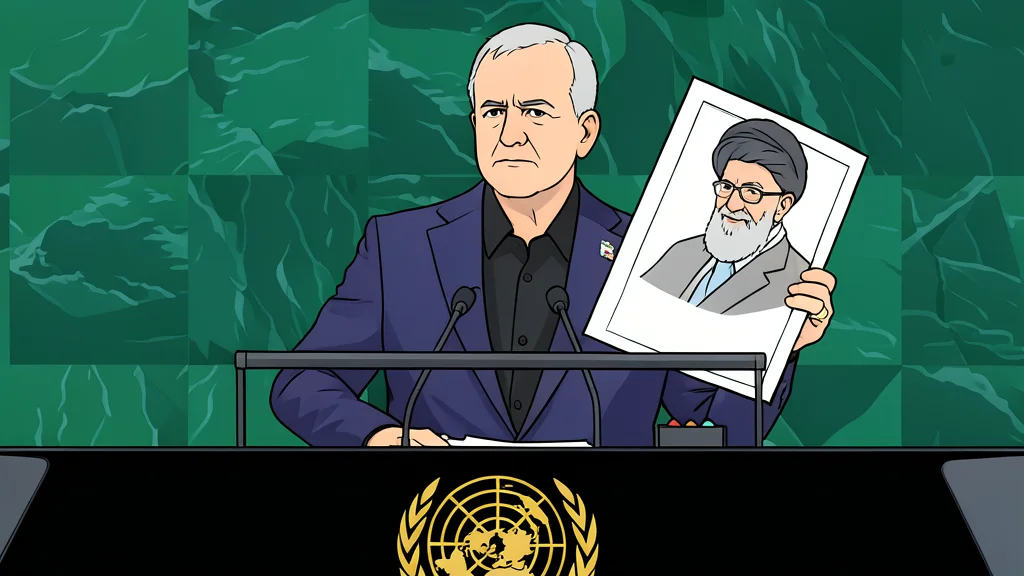
Iran's president criticized the UN for allowing Israel to retain nuclear weapons while subjecting Tehran to strict inspections and sanctions.
Key points
- Pezeshkian criticized the UN for enforcing nuclear inspections on Iran while Israel retains nuclear weapons without oversight.
- The president condemned economic sanctions as tools that harm civilians and distort international justice.
- Iran advocated for a collective security model based on equality and shared responsibilities among nations.
Iranian President Masoud Pezeshkian addressed the United Nations General Assembly to challenge the prevailing framework of international security. He argued that the current system enforces rigid standards on Iran while granting Israel significant exemptions regarding nuclear capabilities and military conduct.
According to PressTV, the president emphasized that trust in international institutions requires a fundamental shift away from double standards. He contended that the asymmetry in how different nations are treated undermines the credibility of global governance and hampers efforts toward sustainable peace.
Critique of Asymmetric Security Standards
Pezeshkian highlighted the contradiction of an international order where one regional power possesses nuclear weapons and refuses to join the Nuclear Non-Proliferation Treaty, while another faces continuous inspection demands. He stated that Israel has never permitted international inspectors access to its territories, yet continues to receive significant military support from allied nations.
The Iranian leader described this dynamic as a paradox that fuels regional instability. He noted that while Tehran is subject to rigorous oversight and economic pressure, the opposing party enjoys what he characterized as absolute immunity from similar scrutiny or consequences for its military actions.
Sanctions as Geopolitical Tools
The speech also addressed the impact of economic sanctions on civilian populations. Pezeshkian condemned the use of financial measures as instruments of coercion, arguing that such policies disproportionately affect ordinary citizens rather than political leadership. He asserted that human rights should not be leveraged as a tool for geopolitical competition.
Iran maintains that it does not seek special privileges but rather equal rights and the ability to fulfill its responsibilities under international law. The president suggested that a consistent application of rules is necessary to restore confidence in the diplomatic process and prevent further escalation in the region.
Vision for Collective Regional Security
Looking forward, Pezeshkian outlined a vision for a shared security architecture based on mutual respect and equality. He warned that a world governed solely by the language of power will fail to achieve lasting stability. The president emphasized that no single nation can ensure its own safety in isolation, and that collective cooperation is essential for long-term peace.
The address concluded with a call to prevent the current century from devolving into an era of coercion and military dominance. By rejecting the replacement of diplomacy with force, Iran seeks to promote a model of international relations where justice and security are shared among all nations, regardless of their geopolitical alignment.