Preserving Palestinian Historian's Archives in Scotland
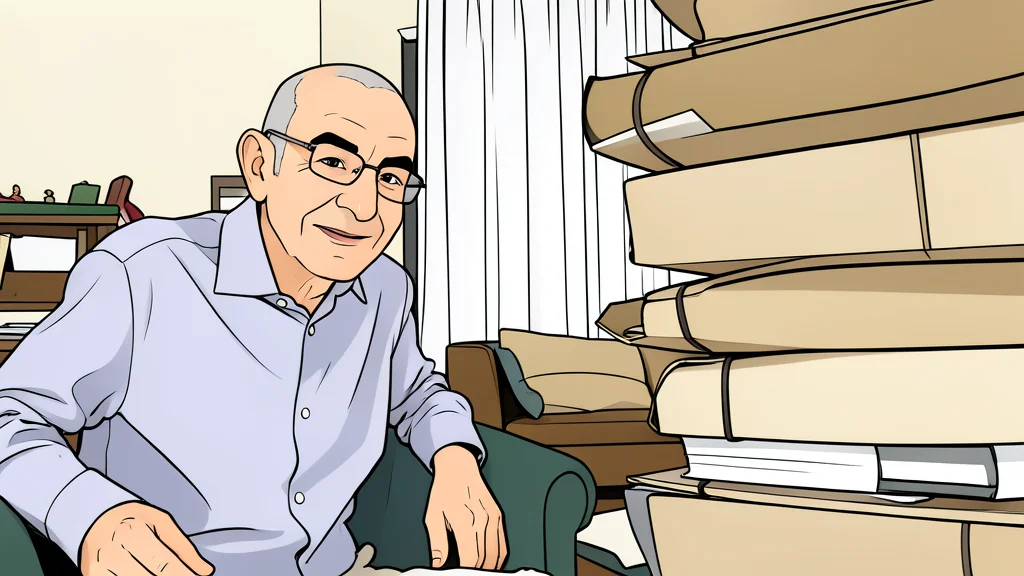
Raja Shehadeh’s decades of daily records, documenting the West Bank occupation since 1967, have been secretly relocated to European universities to ensure their survival.
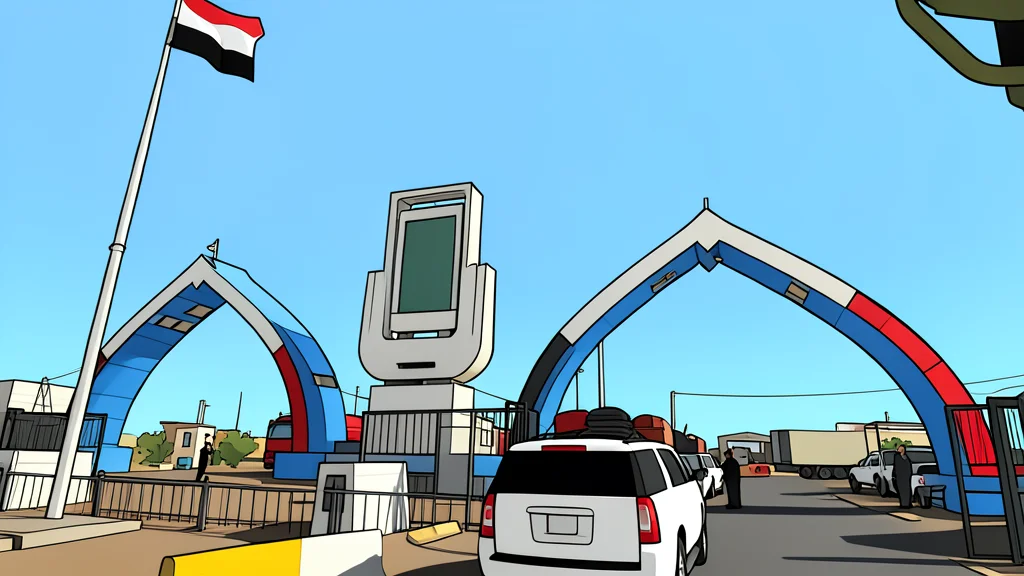
Raja Shehadeh, a prominent Palestinian writer and legal advisor, has completed a discreet two-year operation to transfer his personal archives from the West Bank to Europe. The collection, which includes daily diaries kept since his teenage years, offers a unique contemporaneous record of the region's history. According to NPR World, the move was driven by concerns that military operations could lead to the destruction of these documents.
The archives were housed in a garage in Ramallah until recently. Shehadeh began writing in 1967, just before the occupation of the West Bank, creating a continuous log of political events, personal observations, and legal work. Now 75, he feared the physical safety of the materials and chose to move them to institutions in Scotland and England, where they are currently being digitized for broader access.
A Daily Record of Occupation
Shehadeh views the diary as a discipline that helped him process the historical moment. He started writing at age fifteen, feeling a responsibility to document what he was witnessing. The entries cover a wide range of topics, from meetings with global leaders to his role in peace negotiations. This consistent practice allowed him to maintain a clear perspective on the unfolding political reality.
The diary also served as a private outlet for frustration. During the 1990s, Shehadeh expressed deep anger at Palestinian leadership for signing accords that did not halt settlement expansion. He noted that keeping these criticisms private was essential for his ability to remain in the region. The written record provided a safe space for his dissent, preventing those emotions from disrupting his daily life and professional work.
Capturing the Intifada Era
Entries from 2002 describe the intense atmosphere during the Israeli invasion of Ramallah. Shehadeh recorded the sound of bombing and the isolation of living under curfew. He described the streets as empty and the presence of military tanks as surreal. These pages offer a granular view of the daily impact of conflict on residents, moving beyond broad political narratives to the immediate physical experience of war.
Securing the Archive for the Future
The relocation of the materials to the University of Edinburgh and the University of Exeter marks a new phase for the collection. The institutions have begun publishing thousands of pages online, making this primary source material available to researchers and the public. This preservation effort ensures that Shehadeh’s perspective remains intact for future historical analysis.
As the digitization process continues, the focus shifts to how these private records will be used in academic and public discourse. The availability of such a long-term, first-person account provides a crucial counter-narrative to official records. Observers will likely watch how these documents influence future debates on the history of the West Bank and the broader Palestinian-Israeli conflict.