Saudi Pipeline Strike Deepens Global Oil Supply Squeeze
Escalating tensions in the Red Sea and a critical infrastructure attack in Saudi Arabia have pushed Brent crude to near four-month highs, compounding the impact of the ongoing conflict on global energy markets.
Global fuel costs have surged as the conflict in the Middle East expands beyond the Strait of Hormuz, with new threats emerging in the Red Sea. According to reports from GN auto geopolitics/middle-east: Yemen conflict, the situation has intensified six months after the start of the war between the U.S., Israel, and Iran, leading to a significant spike in international oil prices.
Brent crude, the global benchmark for oil, reached approximately $108 per barrel on Monday, a sharp increase from the average of $67 per barrel seen in the days leading up to the war in late February. This price jump is attributed to a combination of reduced shipping traffic in the Persian Gulf and escalating tensions involving Iran-backed Houthi rebels and Saudi Arabia.
Pipeline damage disrupts export routes
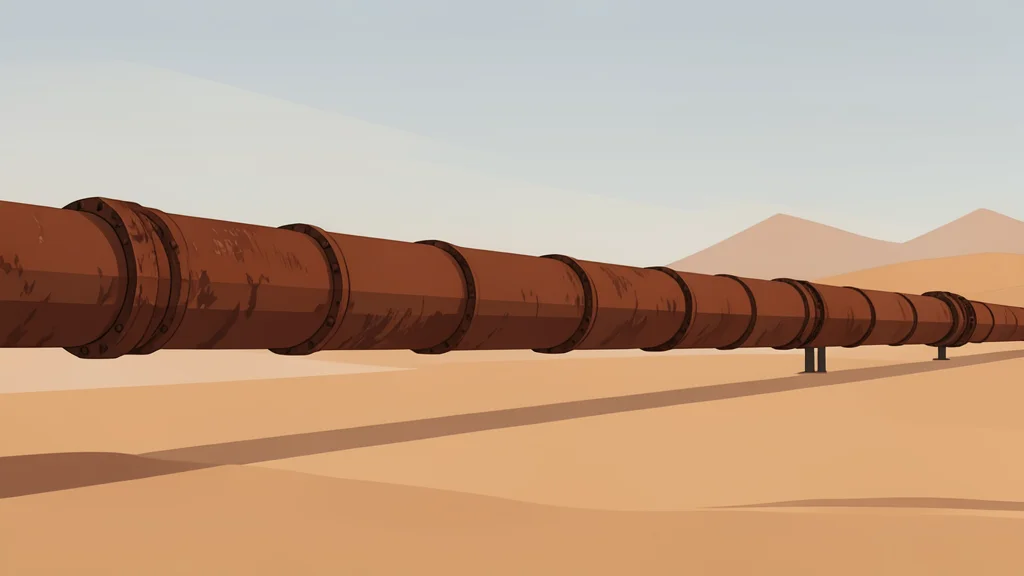
A key driver of the recent price increase is the damage to Saudi Arabia’s East-West pipeline, a vital infrastructure asset used to transport crude oil from the Persian Gulf to the Red Sea port of Yanbu. Dimirtis Maniatis, head of the Greece-based maritime risk agency Marisks, stated that the shutdown of this pipeline is directly responsible for the current spike in prices.
The pipeline, originally constructed during the Iran-Iraq War of the 1980s, was restored to full capacity in April after an earlier strike. However, it was hit again last week in an attack that Iraq’s government said originated from its territory, where Iran-backed militias operate. Although Tehran has denied involvement, the incident has forced Saudi Arabia to rely heavily on its Red Sea ports, which are now under threat.
Houthi blockade squeezes Red Sea trade
The Houthis, an Iranian proxy force, declared a blockade of Saudi Arabia’s Red Sea ports in late July and have begun targeting tankers owned or operated by Saudi companies. This move has severely limited the kingdom's ability to maneuver its exports, as the Red Sea route serves as a critical alternative to the blocked Persian Gulf shipping lanes.
While the Houthis have stated that the Red Sea remains safe for most tanker operators, maritime intelligence firm Lloyd's List indicates that these assurances have done little to calm shipowners. The seizure of the port city of Mokha on Yemen’s coast has further complicated the situation, creating a dual-front threat that squeezes global fuel supplies from both the east and west.
Supply deficits and repair timelines
The disruption has tangible effects on production, with Saudi Arabia’s crude oil output falling to under 6 million barrels per day in August, down from 8 million in July. This is significantly below the target of 10.42 million barrels per day, according to the International Energy Agency. A long-term disruption of the East-West pipeline could remove about 4% of the world's oil supply from the market.
Regional officials quoted by the Associated Press suggest that the pipeline could take three to five weeks to be fully restored. As the conflict continues, the interplay between direct military action and proxy warfare is creating a complex energy crisis that extends well beyond the immediate combat zones, with the forward question being how long these alternative shipping routes can withstand sustained pressure.