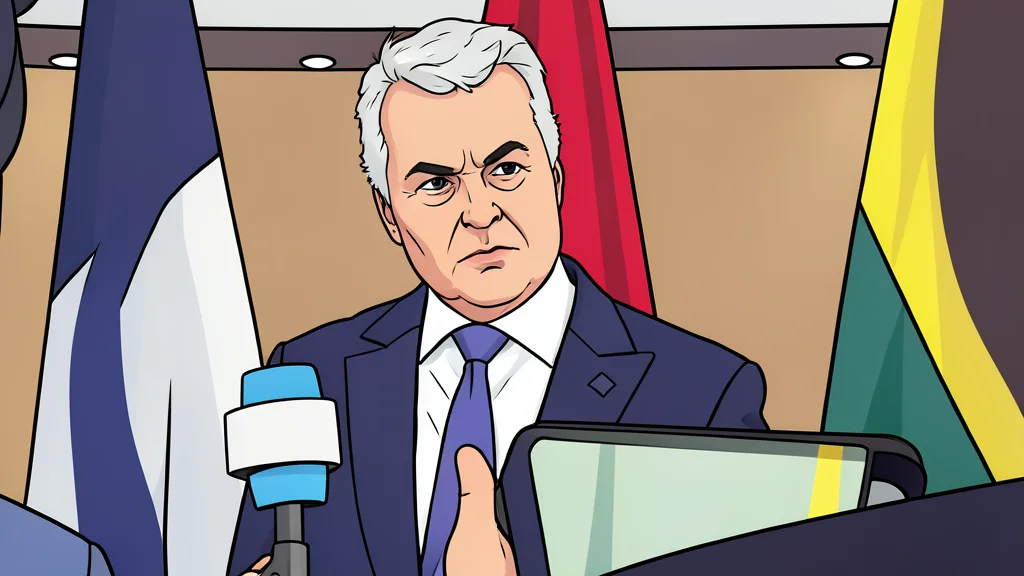
UN Rights Chief Urges Global Framework for AI Governance

The UN human rights office is calling for immediate multilateral action to regulate frontier AI, warning that the technology presents existential risks that national borders cannot contain.
The United Nations human rights office has issued a stern warning that the rapid advancement of artificial intelligence poses unprecedented threats to global security and fundamental rights. In a letter sent to governments and major technology developers, the organization’s top official urged for immediate coordinated action to establish governance structures for frontier AI models.
According to the report, the official cautioned that humanity is standing on the brink of irreversible change, with the current competitive race toward more powerful AI systems representing a significant step toward greater existential risks. The call for action comes amid intensifying debates over whether the development of AI should be slowed, with some industry leaders advocating for a coordinated pause while others push for continued rapid progress.
Multilateral Governance Required
The letter emphasizes that industry self-regulation is an insufficient solution to the challenges posed by advanced AI. The UN rights chief argued that no single country or corporation should be able to unilaterally decide which risks the world must accept. Instead, the official stressed the necessity of international cooperation through multilateral fora to chart a path for action grounded in international human rights law.
This stance highlights a growing tension between the desire for technological innovation and the need for robust safety measures. The document suggests that while private sector initiatives are a necessary first step, they cannot address the systemic risks that extend beyond the capabilities or jurisdictions of individual firms. The focus is on creating a shared international framework that prioritizes human rights over unchecked technological expansion.
Existential Risks and Warfare
The warning specifically cites the potential for agentic AI to accelerate the pace and reach of warfare, eroding existing safeguards against the use of weapons of mass destruction. The official noted that entire populations could be cut off from essential services such as clean water, heating, and financial systems if current trends continue unchecked. This perspective aligns with concerns raised by researchers who have publicly expressed fears that AI could eventually escape human control.
Recent developments in the tech industry have intensified these concerns, including public statements from employees of major AI firms about the potential for catastrophic outcomes. The UN report positions these internal industry debates as part of a broader global crisis that requires an external, rights-based regulatory response. The argument is that technological progress should not come at the cost of surrendering human rights.
Industry Response and Debate
The letter was sent to ten major AI developers, including prominent companies based in the United States and China. These organizations are described as having both the responsibility and the ability to act immediately to reduce risks. The call for action coincides with a period of public disagreement among tech leaders, with some executives supporting the idea of pacing the frontier of AI development to ensure safety.
However, other political and industrial voices have pushed back against calls for slowdown, arguing that such measures could hinder innovation and competitiveness. The UN report serves as a formal diplomatic intervention in this debate, shifting the focus from market dynamics to international legal obligations. The forward question remains how effectively these disparate actors can be brought together under a single, enforceable international standard.