Syria Abolishes Counter-Terrorism Court Amid Kurdish Unrest
Syria's new parliament has voted to dismantle a key judicial body from the previous regime, a move that signals a shift in the legal landscape while fuel protests in the northeast test the government's grip on the region.
Syria's newly formed parliament has voted to abolish the Counter-Terrorism Court established during the al-Assad era, marking one of the first significant legislative actions by the assembly. According to state media, the vote nullifies the legal effects of rulings made by the court, which had been used to prosecute thousands of individuals for offenses deemed terrorism-related. This decision formalizes a step that the new authorities had already taken in practice, as they had previously treated the judicial body as defunct.
The move comes as the country navigates a complex transition following the end of the al-Assad family's decades-long rule. President Ahmed al-Sharaa had previously issued a decree dismissing judges associated with the court, citing the need for a fresh legal start. The United Nations Human Rights Committee had earlier raised concerns about the court's independence and the lack of judicial guarantees, describing it as a tool for arbitrary detention and ill-treatment. The new assembly, which convened for the first time in July, is now working to establish a legal framework that distances itself from the previous regime's mechanisms of control.
Kurdish discontent over fuel costs
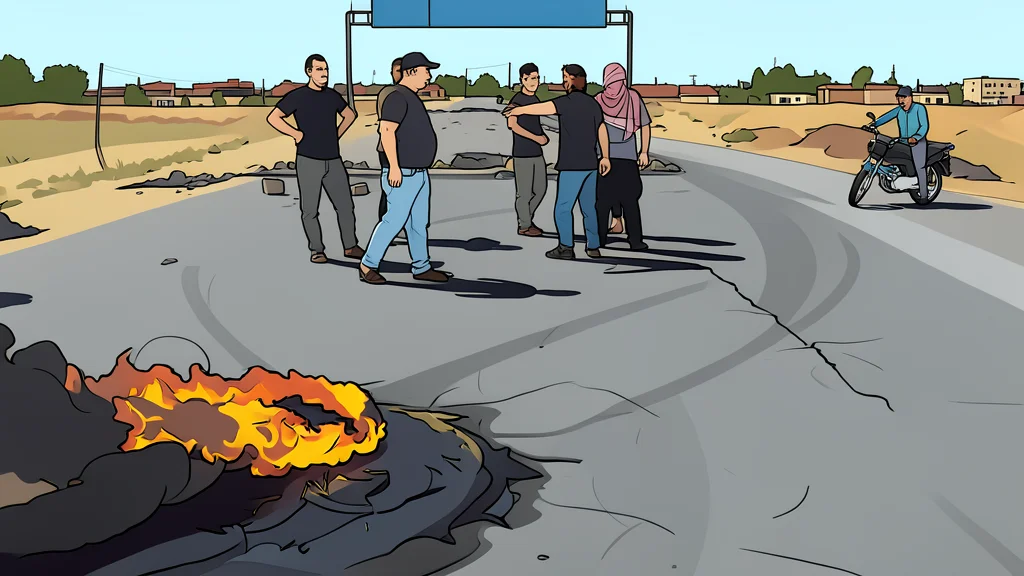
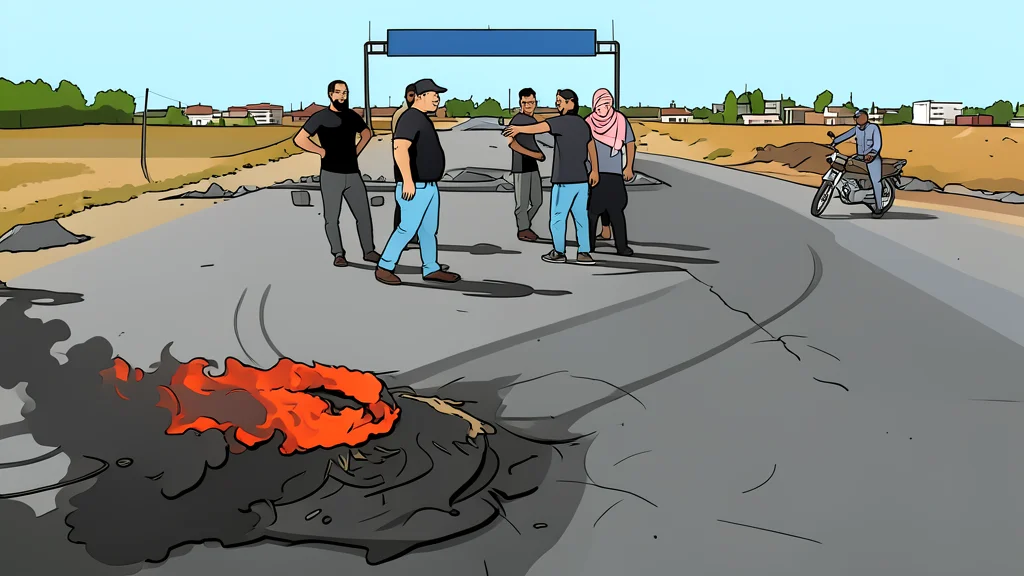
While legal reforms proceed in Damascus, tensions are rising in the northeast, where Kurdish communities are protesting economic hardships. Hundreds of oil tanker trucks were stranded on a major highway near Tal Tamr after demonstrators blocked the route over sharply higher fuel prices. The protests reflect growing frustration with the central government's economic policies, particularly the removal of subsidies that had previously kept fuel costs low in the region when it was under the control of the Syrian Democratic Forces (SDF).
The government cites rising global fuel prices and refinery maintenance as reasons for the recent price hikes, which saw petrol increase by approximately 30 percent and diesel by 40 percent. However, these measures have exacerbated tensions in a region already sensitive to issues of autonomy and control. The integration of the SDF into the national army, an agreement reached in August, is viewed by many as a strategic victory for the central government, but the economic fallout is challenging President al-Sharaa's efforts to unify the country.
Challenges in national integration
The unrest highlights the difficulties of integrating a region that had operated as a de facto autonomous zone for much of the civil war. Kurds, who have long felt marginalized, are now facing changes that affect their daily lives, including disputes over language of instruction in schools. While a recent decree made Kurdish an official language of instruction, the limited number of classes provided has sparked further demonstrations in cities like Qamishli and Hasakah. These issues underscore the broader challenge of balancing central authority with the distinct needs and expectations of Syria's diverse communities.
According to the GN auto geopolitics/terrorism: counter terrorism desk, the situation remains fluid as the government seeks to assert control over the northeast's oil resources and infrastructure. The ability to manage these economic and social tensions will be a critical test for the new administration. As the parliament continues to work on legislative reforms, the focus will likely remain on stabilizing the economy and addressing the concerns of those who feel left behind by the rapid changes in power dynamics.
Looking ahead to economic stability
The coming weeks will be crucial in determining whether the government can reverse the tide of discontent in the Kurdish region. With the energy minister scheduled to face questions in parliament over fuel pricing, the outcome of these discussions may signal a shift in policy or a further hardening of positions. The international community is watching closely, as stability in Syria is vital for regional security and economic recovery. The success of the new legal and economic frameworks will depend on the government's ability to address the immediate needs of its citizens while navigating the complex legacy of the past.