Syria Abolishes Legacy Terror Court Amid Fuel Protests
Syria's new parliament has moved to dismantle legal structures from the Assad era, a symbolic step toward judicial reform that occurs as economic grievances in the Kurdish northeast escalate into logistical blockades.
Syria’s newly formed parliament has voted to abolish the Counter-Terrorism Court established during the rule of Bashar al-Assad, formally nullifying the legal effects of its past rulings. According to state-run Al-Ekhbariya TV, the decision was passed on Wednesday, marking one of the first significant legislative actions by the assembly since it convened in July. The court, created in 2012, was widely criticized by international bodies for lacking judicial guarantees and facilitating arbitrary detention and torture.
This legislative move follows a decree issued by President Ahmed al-Sharaa in June 2025 to dismiss judges associated with the tribunal. The 2025 constitutional declaration also mandated the reversal of unjust rulings, including the return of confiscated property. While the abolition signals a break from the previous regime's coercive legal apparatus, it arrives against a backdrop of rising social unrest that is testing the new government’s ability to stabilize the country after 14 years of conflict.
Fuel prices ignite regional tension
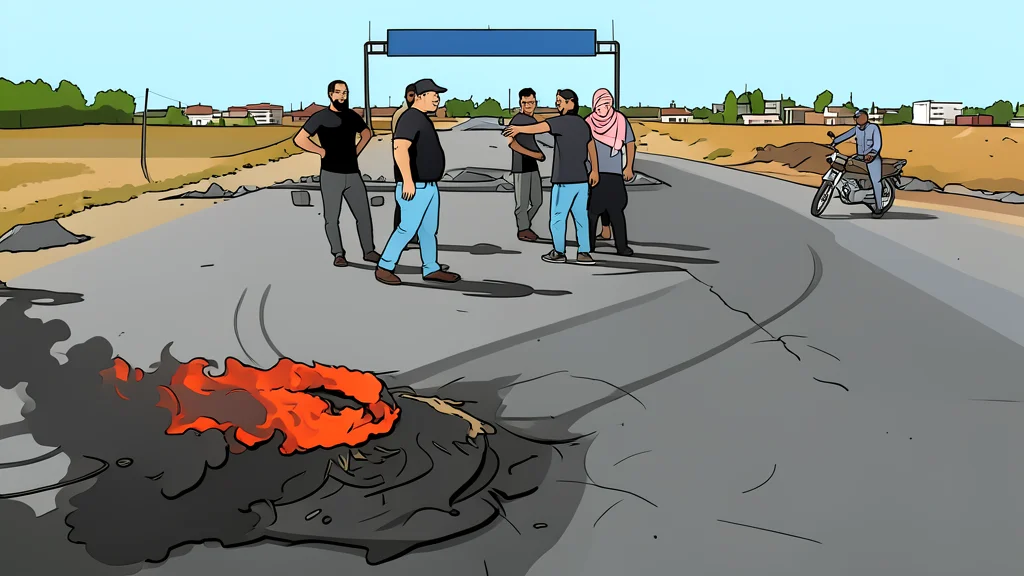
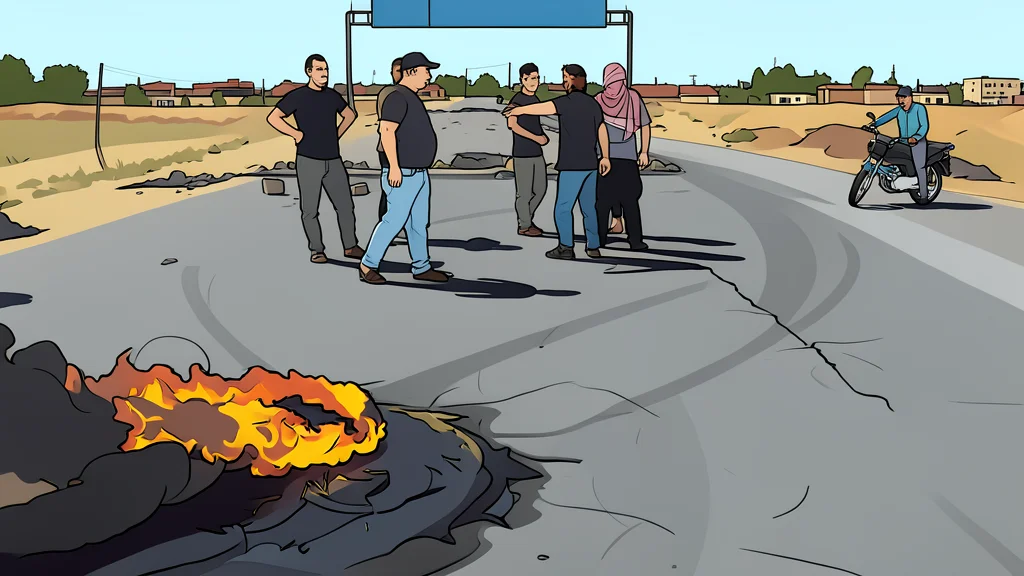
In northeastern Syria, hundreds of oil tanker trucks have become stranded after demonstrators blocked a major highway near Tal Tamr. The protest was triggered by sharp increases in fuel costs following the central government’s removal of subsidies that had been in place when the region was under the control of the Kurdish-led Syrian Democratic Forces (SDF). Protesters have declared the route will remain closed until the price hikes are reversed.
The government recently raised petrol prices by approximately 30 percent and diesel by 40 percent, citing global market fluctuations driven by regional conflicts and necessary repairs at the Baniyas refinery. Energy Minister Mohammed al-Bashir is scheduled to face parliamentary questioning over these decisions. The disruption highlights the economic friction arising from the integration of former autonomous zones into the central state framework.
Challenges in unifying fragmented state
The current unrest is part of a broader challenge for President al-Sharaa, who sought to integrate the SDF into the national army through an agreement reached in August. While this deal was viewed as a strategic victory for the central government, the subsequent removal of economic protections has exacerbated discontent among the Kurdish population, who previously enjoyed de facto autonomy and subsidized resources.
According to Al Jazeera English, these developments represent a critical test for the new administration. As the parliament begins its work on substantive legislation, the government must navigate the complex balance between legal reform and economic stability. The ability to address grievances in the northeast will be crucial in determining whether the post-Assad era can achieve genuine national cohesion or remains fragmented by regional opposition.