Syria Dismantles Assad-Era Court as Kurdish Unrest Deepens
Syria's new parliament has voted to abolish the controversial Counter-Terrorism Court, a move aimed at rectifying past injustices. This legislative step coincides with growing tensions in the northeast, where fuel price hikes have triggered protests and blocked vital oil routes.
Syria’s newly formed parliament has voted to abolish the Counter-Terrorism Court established during the al-Assad era, formally nullifying the legal effects of its previous rulings. This decision, reported by state media, marks one of the first significant legislative actions by the assembly convened in July. The court, created in 2012, was widely criticized for processing thousands of cases under broad definitions of terrorism, often lacking standard judicial guarantees.
The move follows a 2025 constitutional declaration that called for reversing unjust verdicts and returning confiscated property. President Ahmed al-Sharaa had previously dismissed 67 judges associated with the court, describing it as defunct. The United Nations Human Rights Committee had raised concerns about the court’s independence and the treatment of detainees, highlighting issues such as arbitrary detention and torture. Abolishing the court is seen as a symbolic step toward dismantling the legal infrastructure of the former regime.
Kurdish protests block oil transport routes
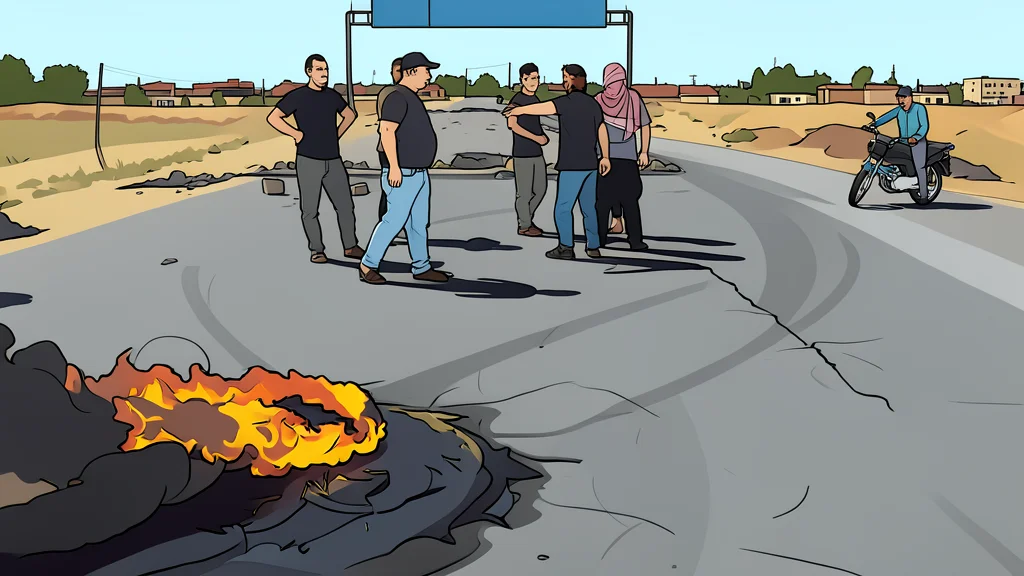
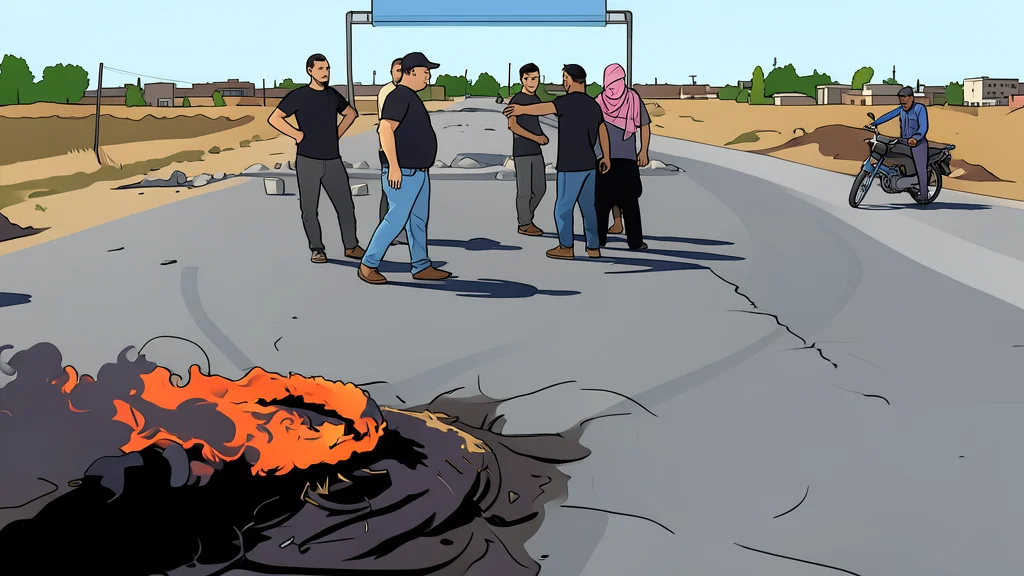
Meanwhile, tensions have escalated in Syria’s Kurdish-majority northeast, where hundreds of tanker trucks are stranded after demonstrators blocked a major highway near Tal Tamr. The protests are driven by sharp increases in fuel prices, which rose significantly after the central government removed subsidies previously provided by the Syrian Democratic Forces (SDF). According to the Energy Minister, global market fluctuations and refinery repairs contributed to the cost hikes, but locals view the changes as a burden imposed by the new central authority.
The disruption threatens the flow of oil from the Qamishli and Rmeilan fields, critical to the national economy. Protesters have stated they will only reopen the route if price increases are reversed. This unrest tests President al-Sharaa’s ability to integrate the region and stabilize the country after 14 years of conflict. The SDF, which controlled the area for years, is now being integrated into the national army, a process that remains sensitive and politically charged.
Political integration faces economic friction
The integration of the SDF into the state structure, agreed upon in August, was viewed as a strategic victory for the government. However, the economic fallout is straining relations. Kurds, who were marginalized under the previous dynasty and established a de facto autonomous zone during the war, are now navigating a new political landscape. The removal of fuel subsidies has exacerbated existing grievances, turning economic dissatisfaction into a challenge for national unity.
Parliament is set to question the Energy Minister over the price hikes, reflecting the legislative body’s growing engagement with economic policy. The situation underscores the delicate balance between centralizing authority and addressing regional grievances. As the new government seeks to unify a fractured society, the ability to manage economic transitions without triggering widespread unrest will be a critical test of its legitimacy and stability.