Syria Voids Assad-Era Terror Court Rulings in Landmark Vote

Syria's parliament has formally dissolved the anti-terrorism court established under the previous regime, invalidating thousands of rulings and initiating a process for the return of confiscated assets.
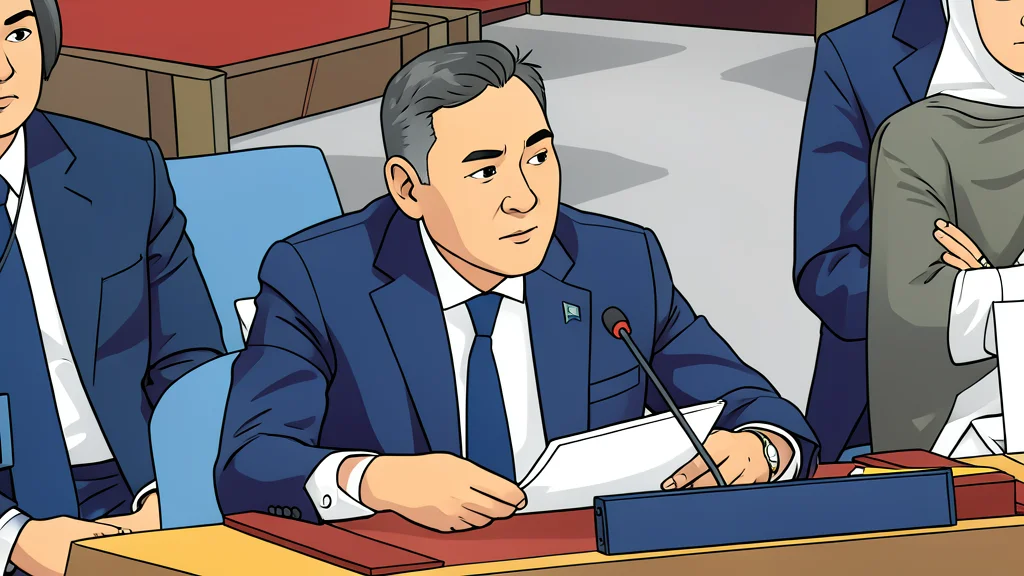
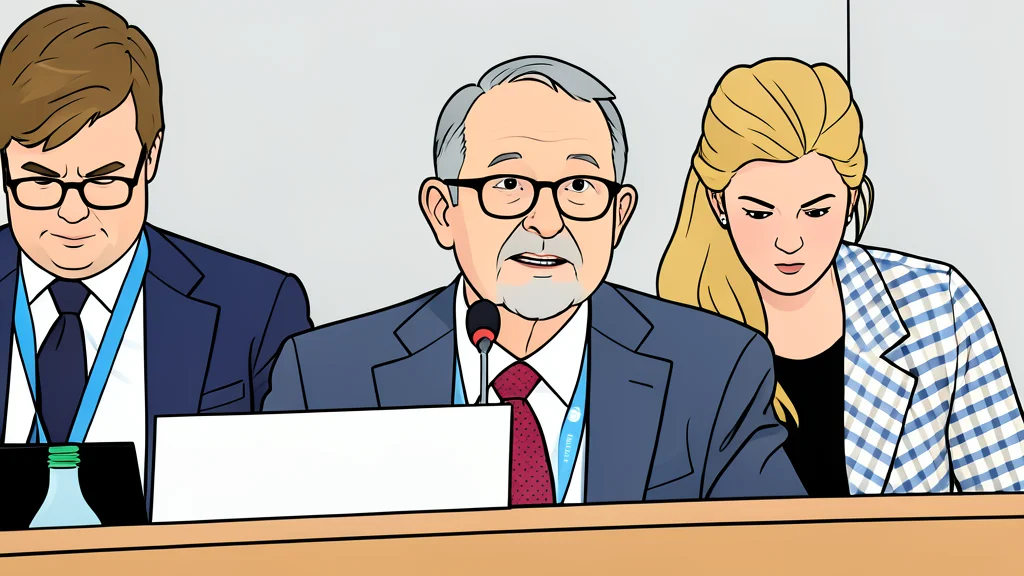
Syria’s parliament has voted to abolish the anti-terrorism court that operated under the regime of former President Bashar Al Assad. The legislative move effectively erases the legal framework used to prosecute thousands of individuals, including peaceful activists, and voids the rulings issued by that tribunal since its establishment in 2012. The decision marks a significant shift in the country's judicial landscape as the new government seeks to distance itself from the legal practices of the previous administration.
According to reports from GN auto geopolitics/terrorism: counter terrorism, the vote followed a period of intense debate among legislators regarding the scope of the reform. While initial discussions focused on amending the existing counter-terrorism law, lawmakers ultimately concluded that the institution itself had to be dismantled. They cited systemic breaches of due process and human rights violations as the primary reasons for the dissolution. The new legislation mandates the formation of a committee tasked with reviewing cases and allowing individuals to recover properties and funds confiscated by the former government.
Legislators Cite Due Process Violations
Members of parliament argued that the abolished court relied heavily on security investigations and confessions allegedly extracted through torture, rather than on adequate safeguards for fair trials. MP Nour Arabo stated that the tribunal issued thousands of rulings ordering the confiscation of assets without proper legal protections. The new bill specifically exempts individuals whose money and property were returned by the old court, field courts, or military courts from the beginning of the civil war in March 2011 until the fall of the Assad regime in December 2024. This provision aims to provide legal clarity and a pathway for restitution for those affected by the previous judicial system.
The move has been welcomed by human rights watchdogs and legal experts who had long criticized the court for its flawed prosecutions. Charles Lister, a senior fellow at the Middle East Institute, described the institution as a mechanism designed to rubber-stamp mass imprisonment and execution of political prisoners. Joshua Landis, a Syria expert at the University of Oklahoma, noted that the decision is positive for the Syrian people, while cautioning that the new regime must avoid finding alternative ways to jail opponents without proper charges and transparent legal proceedings. The international community is watching closely to see if this judicial reform leads to broader accountability and justice.
Context of Post-Regime Judicial Reform
The abolition of the anti-terrorism court occurs against the backdrop of a broader effort by the new Syrian government to centralize power and pursue accountability. In April, the government began court proceedings against notorious figures from the former regime who were arrested following the rebel offensive that toppled Assad. President Ahmad Al Shara has emphasized the need to instil civil peace and pursue those responsible for crimes and massacres during the decades of Assad rule. This initiative is part of a larger transition aimed at addressing the legacy of state violence and establishing a new legal order that adheres to international standards of human rights.
As the new government moves forward, the focus will likely shift to the implementation of the restitution committee and the handling of ongoing cases against former regime officials. The success of these efforts will depend on the transparency of the process and the capacity of the new judicial system to deliver fair trials. Observers will be monitoring whether the dissolution of the anti-terrorism court leads to a genuine overhaul of Syria's legal institutions or if it serves as a symbolic gesture in a complex political transition. The coming months will be critical in determining the extent of judicial reform and its impact on the lives of those affected by the previous regime's legal apparatus.