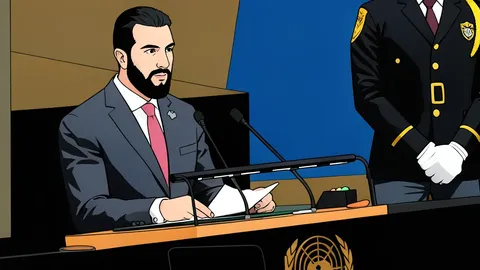
Syrian and Iranian Leaders to Address UN General Assembly
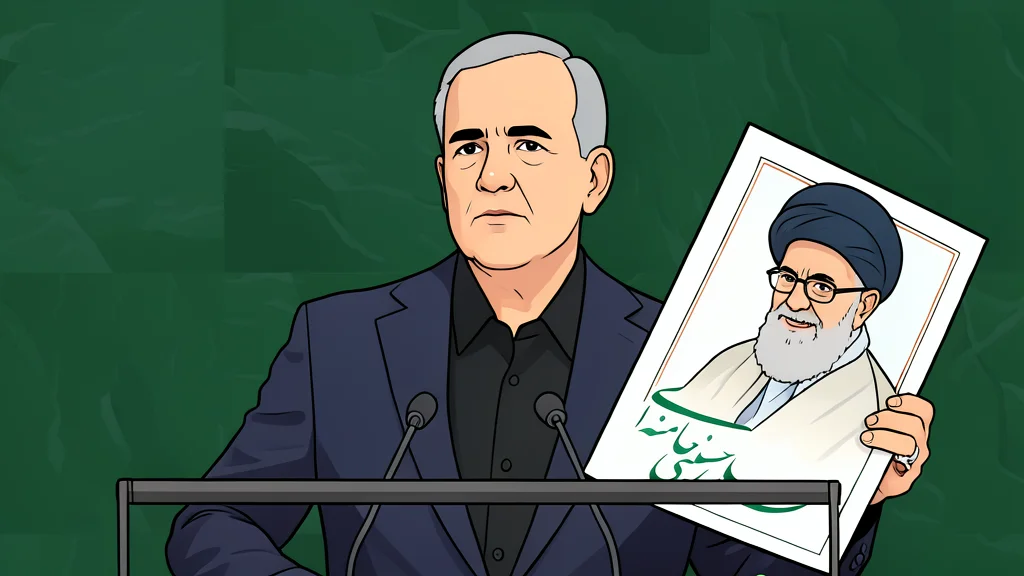
Syria's new president and Iran's leader are set to deliver speeches at the UN, highlighting rising diplomatic tensions in the Middle East.
Key points
- Syrian President Ahmed al-Sharaa and Iranian President Masoud Pezeshkian are set to speak at the UN General Assembly.
- Pezeshkian has criticized the IAEA for monitoring Iran while allegedly ignoring Israel's nuclear capabilities.
- Tehran rejects US accusations of terrorism, framing its actions as defensive measures for national sovereignty.
Syrian President Ahmed al-Sharaa and Iranian President Masoud Pezeshkian are scheduled to deliver addresses at the United Nations General Assembly, marking a significant moment in the region's diplomatic landscape. The simultaneous participation of both leaders underscores the shifting dynamics in the Middle East, where recent conflicts have intensified calls for multilateral engagement and the resolution of long-standing security concerns.
According to The Jerusalem Post, Pezeshkian is expected to continue his recent rhetoric, which has focused heavily on nuclear non-proliferation and the perceived double standards in international oversight. His upcoming speech is anticipated to address the broader geopolitical context, including relations with Western powers and the status of regional stability, as the UN sessions provide a platform for these contentious issues.
Nuclear Disputes Dominate Rhetoric
In his recent remarks, Pezeshkian sharply criticized the International Atomic Energy Agency, arguing that inspectors are sent to monitor Iran’s nuclear program while Israel is allegedly exempt from similar scrutiny. He asserted that Israel possesses nuclear weapons and is not a signatory to the Non-Proliferation Treaty, a claim that has been a central point of contention in Tehran’s diplomatic strategy for years. The Iranian president emphasized that peaceful nuclear technology is a right of the Iranian people and rejected any limitations on its development.
These statements reflect a broader narrative in which Iran frames its nuclear ambitions as a defensive necessity against external threats. Pezeshkian argued that the international community has failed to uphold its commitments to justice and peace, particularly regarding the Palestinian cause. He contended that the lack of consistent application of international law undermines the credibility of global institutions and fuels regional instability.
Tensions With Washington Escalate
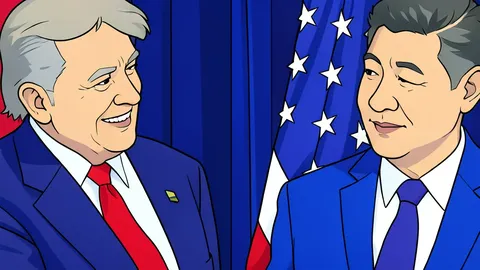
The Iranian leader also addressed recent remarks by U.S. President Donald Trump, who had characterized Iran as a source of terrorism. Pezeshkian rejected these accusations, stating that Iran has historically been a victim of state-sponsored violence rather than an aggressor. He referenced specific incidents, including the assassination of senior Iranian officials, to argue that Iran’s response has been strictly defensive and aimed at protecting its sovereignty.
Despite the hostile rhetoric, Pezeshkian indicated a willingness to engage in dialogue, provided it is conducted on equal terms and without the language of war. He emphasized that Iran seeks independence and progress rather than regional dominance, asserting that the country’s defensive capabilities are built to deter aggression rather than to project power. This stance highlights the complex interplay between hardline security policies and diplomatic overtures in Tehran’s foreign policy.
Regional Stability Under Scrutiny
The inclusion of Syrian President al-Sharaa in the UN proceedings signals a potential shift in Syria’s international engagement. His presence suggests an effort to reinsert Syria into the multilateral framework, which could have implications for regional alliances and the balance of power. Analysts note that the convergence of these leaders on the UN stage may offer a rare opportunity for diplomatic de-escalation, though the depth of recent conflicts suggests that trust remains fragile.
As the General Assembly sessions progress, attention will turn to whether these addresses translate into concrete diplomatic initiatives. The coming weeks will be critical for observing any shifts in the tone of regional discourse and the potential for renewed negotiations on nuclear and security issues. The international community is watching closely to see if the rhetoric of resistance can be bridged by the language of cooperation.