Syrian Stakeholders Draft Framework for Post-Conflict Governance
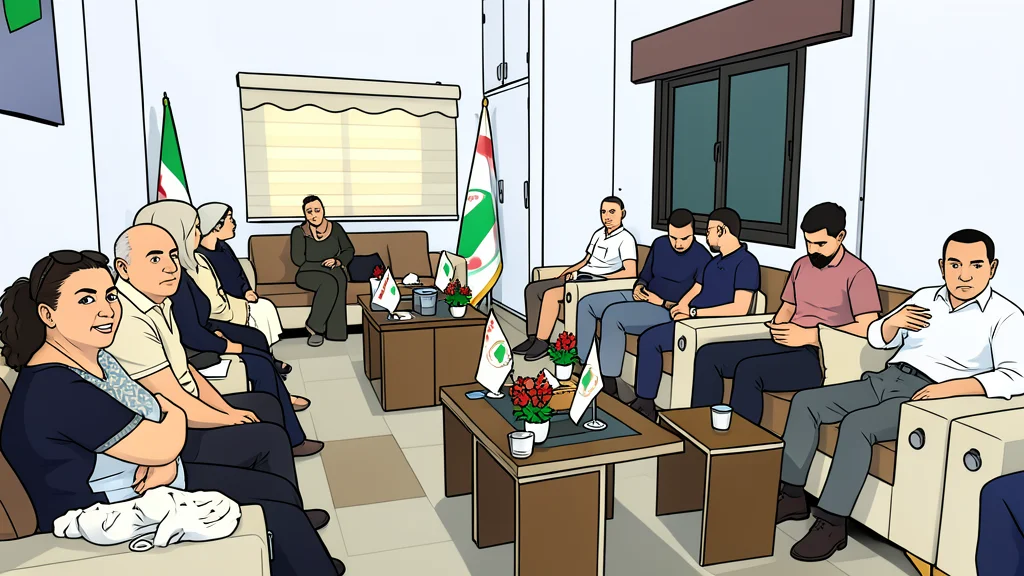
Syrian political figures and human rights advocates have presented a set of recommendations aimed at shaping the country's post-conflict trajectory, focusing on administrative integration and civil liberties.
A coalition of Syrian politicians and human rights advocates has released a series of recommendations intended to guide the nation's political transition. According to reports from GN geopolitics/rights (en-US), these proposals emerge against a backdrop of significant administrative and social challenges. The framework emphasizes the need for inclusive governance structures that address the immediate concerns of displaced populations while laying the groundwork for long-term stability in the region.
The timing of these recommendations coincides with ongoing diplomatic engagements, including discussions between Mazloum Abdi and the Governor of Aleppo regarding the reintegration of residents. While these talks focus on local administrative coordination, the broader set of proposals seeks to establish a cohesive national strategy. Advocates argue that addressing the root causes of displacement and ensuring equitable access to essential services are critical components of any successful transitional plan.
Addressing administrative fragmentation and displacement
One of the central pillars of the new recommendations is the management of population displacement and the reintegration of residents in key provinces. In Aleppo, recent meetings have focused on the logistical and political mechanisms required to facilitate the return of displaced communities. Simultaneously, in the Deir ez-Zor countryside, local residents have voiced urgent concerns regarding the closure of educational complexes, highlighting the tension between security protocols and the right to education.
These localized issues underscore the complexity of governing a fragmented territory. The recommendations suggest that a unified approach to civil administration is necessary to prevent further marginalization of specific groups. By prioritizing the restoration of basic services and educational infrastructure, the proposed framework aims to rebuild public trust in emerging governance structures, particularly in areas where community cohesion has been severely tested by recent events.
Economic pressures and social stability
The economic dimension of Syria's transition remains a critical focus for the advocates. Recent increases in fuel and customs duties have exacerbated living conditions, leading to public protests in cities such as Hasakah. The rising cost of basic necessities, including drinking water and energy, has placed significant strain on households and local economies. The recommendations call for policies that mitigate these economic shocks and ensure that transitional governance does not deepen existing inequalities.
Furthermore, the security environment continues to pose challenges to social stability. Incidents such as the explosion at an ammunition depot in Tell Tamer, which resulted in multiple casualties, highlight the ongoing risks associated with unresolved security vacuums. While the arrest of a cell leader linked to recent violence indicates ongoing security operations, the advocates stress that sustainable peace requires more than just law enforcement. It demands a comprehensive approach that addresses the socioeconomic drivers of instability and ensures accountability for human rights violations.
Path forward for inclusive governance
As Syria navigates this pivotal moment, the recommendations serve as a blueprint for a more inclusive political future. The emphasis on protecting the rights of women and ensuring education in mother tongues reflects a broader commitment to cultural and gender equality within the new governance framework. Moving forward, the implementation of these proposals will depend on the willingness of various stakeholders to engage in constructive dialogue and compromise.
The coming weeks will be crucial in determining whether these recommendations translate into concrete policy changes. Observers are watching closely for signs of cooperation between different political factions and international actors. The ultimate test of this framework will be its ability to deliver tangible improvements in the lives of ordinary Syrians, fostering a sense of hope and stability in a country still recovering from years of conflict.