Yemeni Women Resume Front-Line Food Support Amid Taiz Escalation

As Houthi forces advance in western Yemen, volunteer networks have reactivated, with women delivering supplies to maintain morale and support government troops in the ongoing conflict.
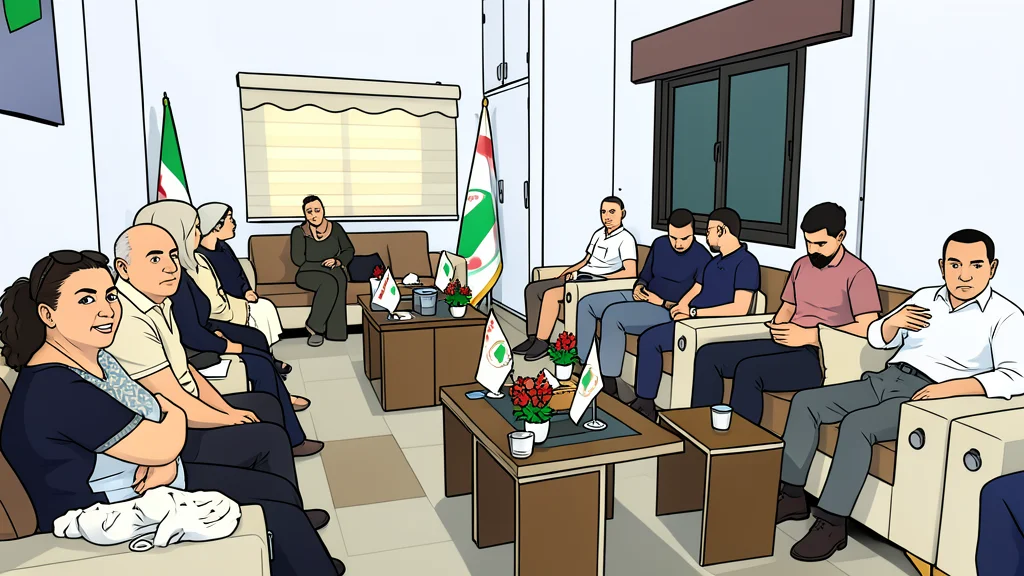
In the early morning hours of Taiz, women are gathering in kitchens to knead dough and bake date-filled pastries. These goods are intended for government troops facing renewed Houthi offensives, serving as both sustenance and a tangible symbol of solidarity from the civilian population. According to reports from GN auto geopolitics/middle-east: Yemen conflict, this initiative marks a significant revival of community support structures that had been dormant for several years following a temporary lull in hostilities.
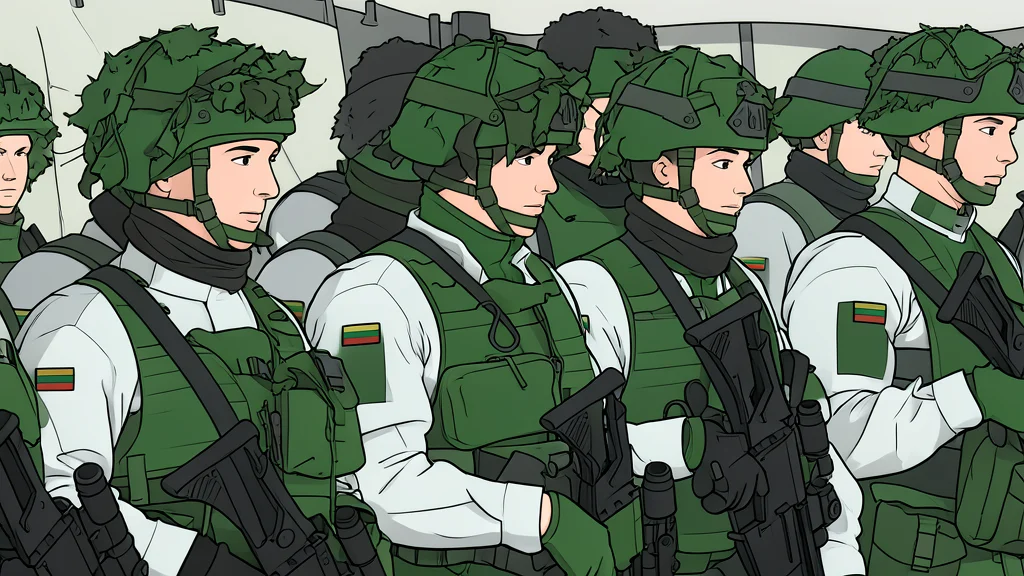
The resumption of these efforts coincides with a sharp escalation in violence across western Yemen. On September 3, Houthi forces launched a major offensive in Hodeidah and Taiz governorates, securing control of key districts and strategic maritime points. As clashes intensify along the front lines, local volunteers have reorganized their logistics, citing a surge in participation from women both within Taiz and from outside the region who wish to contribute to the war effort.
Revival of Wartime Logistics
Naseem al-Odaini, a key organizer, stated that the group first started this initiative in 2015 but paused operations for over four years when the fighting subsided. She noted that the current wave of support has grown significantly, surpassing previous levels of engagement. To ensure the safety of the supply chain, the group has implemented strict protocols, rejecting prepared food from unknown sources. Instead, donors are required to purchase raw ingredients like flour and oil from trusted vendors and provide receipts, ensuring that only verified materials reach the front lines.
Beyond baking, the initiative involves direct delivery of supplies to combat zones. Al-Odaini mentioned that she and her colleagues have historically traveled to the front lines personally, a practice that has carried significant risk. She acknowledged that three of her fellow volunteers were killed while delivering food in the past. Despite these losses, she emphasized that the presence of civilians among the fighters provides immense psychological support, which troops have described as being more valuable than the food itself.
Broader Socioeconomic Impacts
The role of women in the conflict extends beyond logistical support. Al-Odaini highlighted that many women have lost their primary breadwinners and have been forced into the workforce to support their families. This shift has altered the domestic and economic landscape of the region, placing women at the center of both survival and resistance. The initiative now operates on a larger scale than ever before, with participants like Israa al-Tayeb, whose mother was killed during the 2011 revolution, leading expanded operations.
As the conflict continues to evolve, the resilience of these volunteer networks remains a critical factor in sustaining the fighting capacity of government forces. The forward question lies in how these grassroots efforts will adapt to potential further escalations or diplomatic shifts. Observers will watch whether the increased logistical support can offset material disadvantages on the battlefield and how the humanitarian situation in Taiz develops in the coming weeks.