Tehran Asserts Nuclear Resilience Amid Diplomatic Tensions
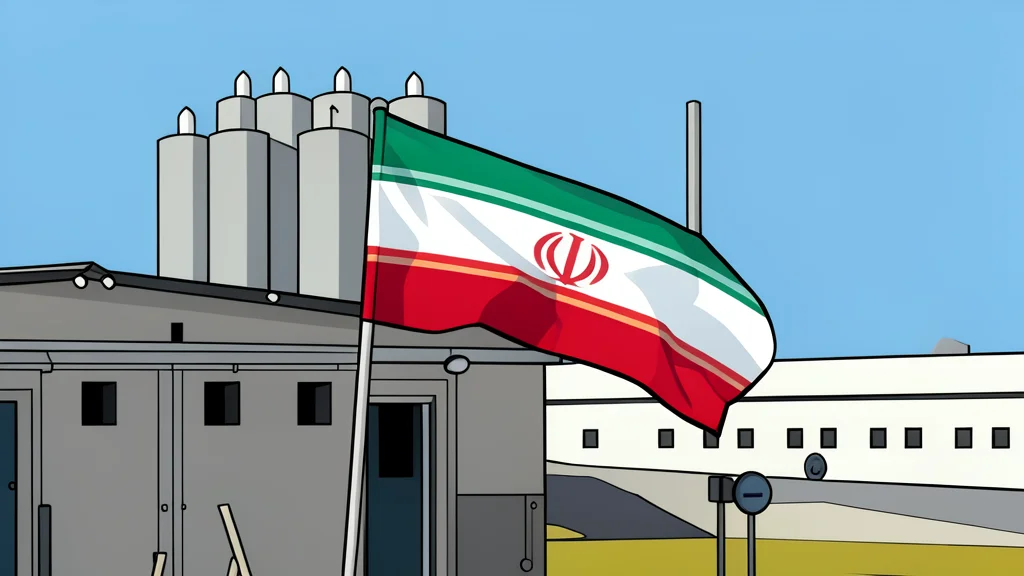
Iranian officials declare that military force cannot dismantle the nation's nuclear infrastructure, framing recent strikes as ineffective against decades of accumulated expertise.
During the International Atomic Energy Agency General Conference in Vienna, the spokesperson for the Atomic Energy Organization of Iran, Behrouz Kamalvandi, asserted that the country's nuclear industry is too deeply embedded to be eliminated through military action. According to reports from GN auto geopolitics/middle-east: Iran nuclear, Kamalvandi emphasized that attacks on facilities and scientists would not halt Tehran's progress, describing the nuclear sector as a fundamental part of the national identity rather than a temporary political asset.
The remarks were made in the context of two recent rounds of US-Israeli strikes that targeted safeguarded nuclear sites. Kamalvandi characterized these actions as part of a long history of external pressure, noting that Iran has maintained its nuclear capabilities despite over twenty-five years of sanctions and diplomatic friction. He stressed that the nation’s commitment to peaceful nuclear use has remained consistent, even as it navigated complex negotiations under the Joint Comprehensive Plan of Action.
Historical Context of Nuclear Pursuit
Kamalvandi highlighted that Iran's nuclear history spans eight decades, predating the current geopolitical crises by several decades. He pointed out that the Atomic Energy Organization itself has existed for fifty-two years, suggesting a long-term institutional commitment to the field. The spokesperson argued that early experiences with European partners, who allegedly failed to honor contractual commitments, reinforced the belief that indigenous capabilities were necessary for strategic security.
He noted that Iran was among the earliest signatories to the Treaty on the Non-Proliferation of Nuclear Weapons and has consistently maintained that its activities are peaceful. According to Kamalvandi, the decision to develop sensitive facilities in secure, underground locations was a response to ongoing security threats rather than an attempt to hide activities from inspectors. This perspective frames the physical hardening of sites as a defensive necessity in a hostile regional environment.
Diplomatic Disagreements and IAEA Relations
The spokesperson criticized the IAEA for what he described as politicized conduct and double standards. Kamalvandi questioned whether the agency’s repeated inspections had ever found evidence of nuclear material diversion by Iran, arguing that the lack of such findings undermines the validity of international concerns. He urged the agency to condemn military attacks on Iranian facilities and to engage with Tehran based on its statutory mandate, treating the country with the same procedural fairness as other member states.
He recounted the diplomatic timeline, noting that after the United States withdrew from the JCPOA, Iran continued to implement its commitments for approximately eighteen months. Kamalvandi stated that fifteen consecutive reports by the then-IAEA director general confirmed this adherence. He expressed frustration that despite these confirmed commitments, unilateral sanctions continued, and that subsequent negotiations in 2022 were close to a resolution before being derailed by military aggression in June 2025.
Forward Outlook for Regional Stability
The situation leaves the international community with a challenging diplomatic landscape. With Tehran asserting that military options are ineffective and diplomacy has been repeatedly interrupted by conflict, the path forward remains unclear. The next steps will likely depend on whether the IAEA can re-establish a neutral platform for verification and dialogue, or if the cycle of strikes and retaliation continues to dominate the agenda. Observers will watch closely for any new proposals from Washington or Tehran that might break the current impasse and restore a predictable framework for nuclear oversight.