Tehran Questions IAEA Leadership Amidst Access Restrictions
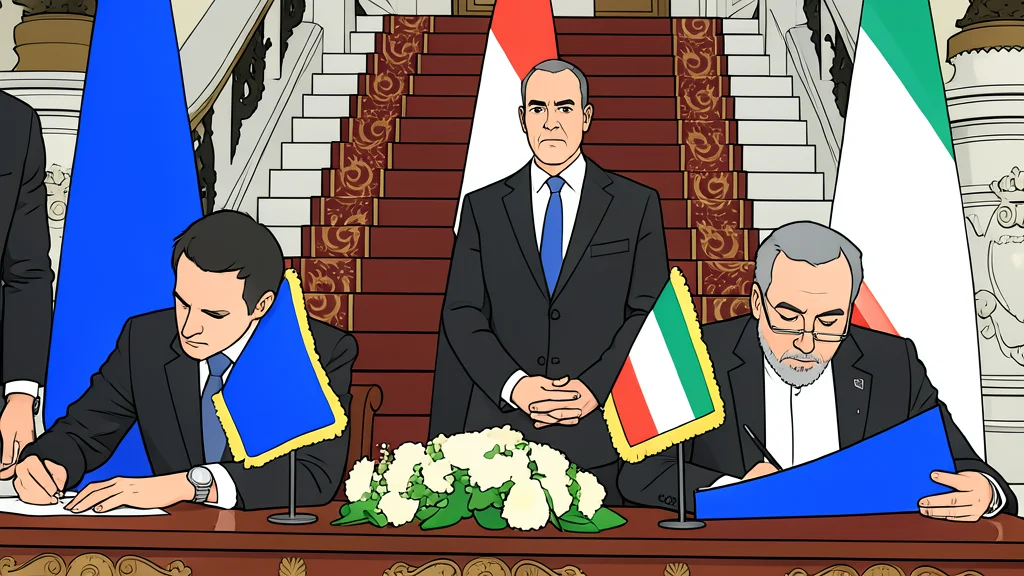
Iranian officials have accused the IAEA director of politicizing the nuclear file, citing security concerns that restrict inspector access to damaged facilities.
Tensions between Tehran and the International Atomic Energy Agency have sharpened as Iranian officials publicly questioned the impartiality of the agency’s leadership. A senior spokesperson for Iran’s Atomic Energy Organization stated that trust in Director General Rafael Grossi is currently absent due to what Tehran perceives as a politicized approach to the country’s nuclear program. This assessment was communicated to state media, signaling a significant diplomatic shift in how the Islamic Republic views the oversight body responsible for verifying nuclear safeguards.
The friction centers on the handling of inspections following recent conflicts involving damaged nuclear infrastructure. Iran argues that the IAEA’s reports and public statements have been used by Western powers and Israel to exert political pressure, thereby compromising the technical neutrality of the agency. In response, Tehran has moved to limit access to specific sites, prioritizing security over transparency in a move that complicates the global verification landscape.
Accusations of Political Bias
According to Behrouz Kamalvandi, the spokesman for the Atomic Energy Organization of Iran, the IAEA must return to a purely professional and technical role. He asserted that the current direction of the agency’s reporting has crossed into political territory, effectively serving the interests of hostile nations rather than adhering to objective scientific assessment. This critique, reported by Anadolu, highlights a growing disconnect between the inspectorate and the state it is tasked with monitoring.
Kamalvandi emphasized that without a fundamental change in approach, the relationship between Tehran and the IAEA remains strained. The Iranian position suggests that the agency’s outputs are being leveraged to justify further sanctions or military posturing, which Tehran views as a violation of the cooperative spirit required for non-proliferation efforts. This stance underscores a broader narrative in which Iran seeks to decouple its nuclear activities from geopolitical leverage.
Security Constraints on Inspection Access
A central point of contention involves restricted access to nuclear facilities that sustained damage during recent hostilities. Iranian officials justify these limitations by citing urgent national security concerns, arguing that revealing precise details about damaged infrastructure could expose vulnerabilities to further attacks. They contend that adversaries are actively seeking intelligence that could be utilized in future operations, making confidentiality a paramount priority.
Conversely, IAEA leadership has stressed the necessity of unrestricted access to verify the whereabouts of nuclear material and ensure compliance with international norms. The agency maintains that transparency is essential for maintaining global confidence in the non-proliferation regime. This standoff creates a complex dilemma where security imperatives clash with the need for verifiable data, potentially leading to prolonged uncertainty regarding the status of Iran’s nuclear capabilities.
Diplomatic Implications for Verification
The situation presents a challenging environment for international diplomacy, as the erosion of trust hampers the IAEA’s ability to perform its core functions. According to the GN auto geopolitics/middle-east: Iran nuclear source, the dynamic reflects a broader trend where technical agencies are increasingly drawn into geopolitical disputes. The inability to access key sites may result in gaps in the global monitoring network, affecting the accuracy of international assessments on nuclear safety and compliance.
Moving forward, observers will watch closely for any diplomatic initiatives aimed at restoring the technical nature of IAEA operations. The coming weeks may see intensified negotiations or further restrictions, depending on how Tehran balances its security concerns with its international obligations. The resolution of this dispute will be critical for stabilizing the region and ensuring that nuclear oversight mechanisms remain effective and credible in a volatile geopolitical environment.