Trump Approval Hits 32 Percent as Iran War Strains GOP Support
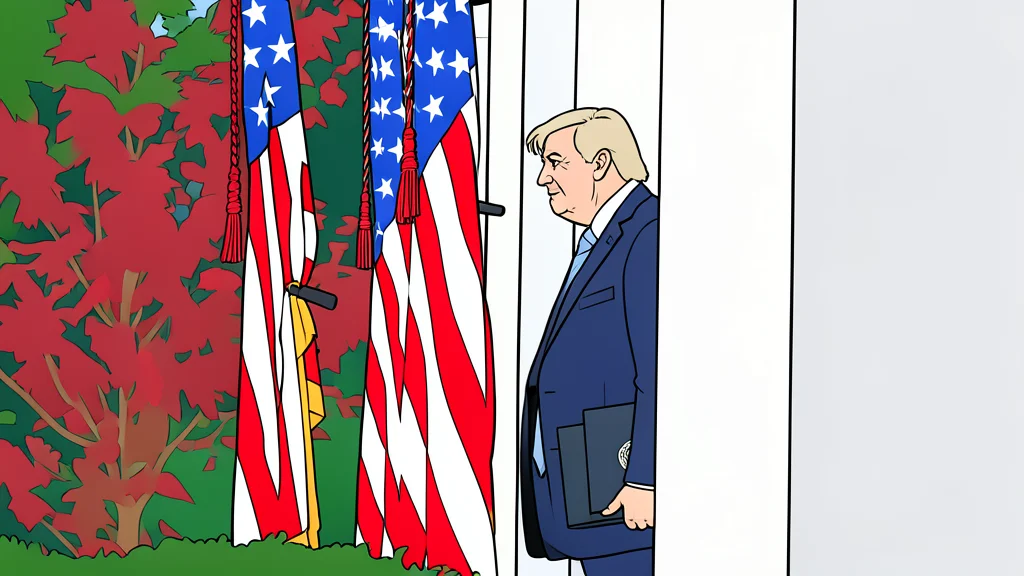
New polling shows Republican backing for the president has dropped to 73 percent, driven by inflation concerns and conflict with Iran.
Key points
- Trump's overall approval rating fell to 32 percent, the lowest of his career, according to a Reuters/Ipsos poll.
- Republican support dropped to 73 percent, with disapproval of cost-of-living handling now outnumbering approval.
- The conflict with Iran has driven up fuel prices, making the economy the top issue for voters ahead of midterms.
President Donald Trump’s overall approval rating has declined to 32 percent, marking the lowest point of his political career according to a recent survey. This significant drop coincides with growing dissatisfaction among his own party members regarding the economic impact of the ongoing conflict with Iran. The data suggests that the administration's handling of rising living costs is becoming a central point of contention for voters.
A Reuters/Ipsos poll conducted online across the United States revealed that Republican support for the president fell from 82 percent to 73 percent over the course of a week. While overall approval was 35 percent just a week prior, the latest figures indicate a sharp erosion of trust. The survey, which gathered 1,277 responses from US adults, carries a margin of error of three percentage points.
Economic concerns drive partisan shift
The primary driver of this decline appears to be the cost of living, which respondents identified as their top priority. Only 17 percent of all participants approved of the president’s management of inflation and daily expenses. This issue is poised to influence voting behavior in the upcoming midterm elections, where Republicans are defending narrow majorities in Congress.
Within the Republican base, a critical reversal has occurred. For the first time, the number of Republicans who disapprove of the president’s handling of living costs has exceeded those who approve. The split stands at 51 percent disapproval versus 44 percent approval. This shift marks a notable departure from the strong partisan loyalty that has characterized recent political cycles.
War impact on consumer prices
The escalation of hostilities with Iran, which began in February, has contributed to a sharp increase in gasoline and diesel prices. These rising energy costs have exacerbated existing inflation pressures, directly affecting household budgets. The connection between foreign policy decisions and domestic economic stability has thus become a focal point for political criticism.
President Trump stated on Wednesday that the United States is potentially nearing the end of its military engagement with Iran. He raised the possibility of renewed diplomatic efforts, although fighting continues in other regions such as Yemen. Tehran has not confirmed that direct negotiations with Washington have resumed, leaving the diplomatic outlook uncertain.
Midterm elections and future outlook
With the November 3 midterm elections approaching, the trend in approval ratings will be closely monitored by both parties. The current polling suggests that economic anxiety is outweighing traditional partisan allegiance for a significant portion of the electorate. The ability to stabilize energy prices and reduce inflation will likely be the decisive factor in voter decisions.
As the administration navigates the complexities of the Iran conflict, the domestic political fallout continues to intensify. The next few weeks will reveal whether the recent dip in support is a temporary fluctuation or the start of a sustained decline. Observers will watch for any official announcements regarding diplomatic channels and economic data that might shift public sentiment before the polls close.