Yemen Sees 147,000 Displaced as Houthi Advances Reach Red Sea Coast
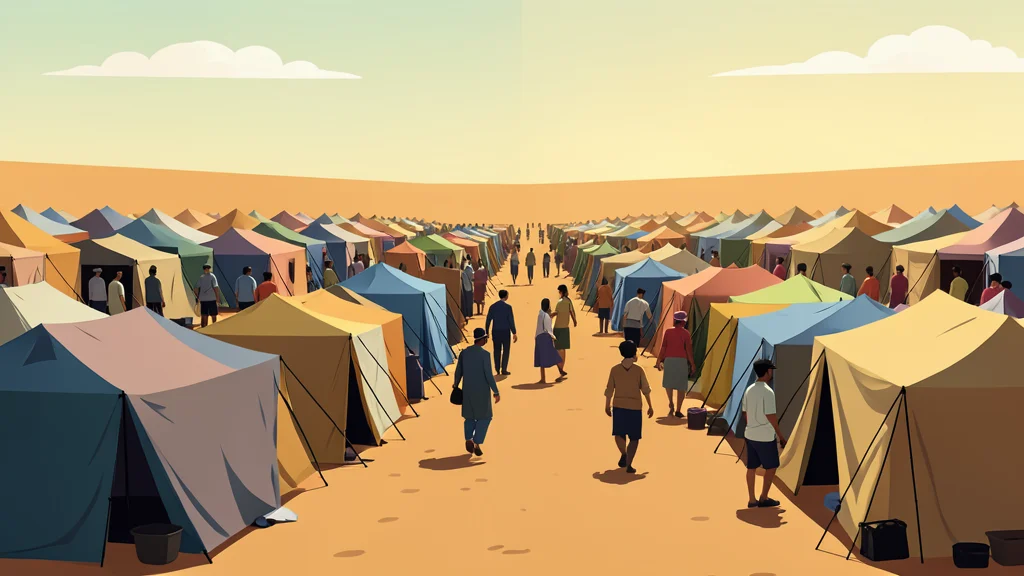
Rapid Houthi military gains in Yemen's west have triggered a massive internal displacement crisis, overwhelming host communities with urgent humanitarian needs.
Key points
- Nearly 147,000 people were internally displaced in Yemen between September 1 and 18, according to government figures.
- Host cities like Taiz and Al-Mukalla are facing overcrowding as displaced families arrive with few or no belongings.
- Aid workers report urgent needs for food, shelter, and medical care as host communities are already saturated.
A rapid intensification of hostilities in western Yemen has triggered a significant new wave of internal displacement, leaving thousands of families in a state of destitution. According to figures released by the Yemeni government’s Executive Unit for IDP Camps Management, nearly 147,000 people were displaced between September 1 and 18 as Iran-backed Houthi forces seized control of strategic coastal areas, including Khokha.
The exodus has placed immense pressure on government-controlled regions that were already hosting an estimated two million internally displaced persons. In cities such as Al-Mukalla and Taiz, aid workers report that many arrivals have fled with only the clothes on their backs, abandoning homes, assets, and essential supplies amid reports of looting and reprisals in Houthi-held zones.
Host Communities Face Strain
The geographic distribution of the new arrivals highlights the severity of the crisis in areas like Taiz, which received over 11,500 displaced families. Local aid coordinators noted that the sudden influx has led to overcrowded conditions, with multiple families sharing small homes or schools. In some instances, residents are sleeping in the open due to a lack of adequate shelter.
According to reports from the field, many displaced individuals arrived with no cooking fuel, food, or bedding. The situation has been exacerbated by the fact that these host communities were already stretched thin, limiting their capacity to provide immediate humanitarian assistance to those fleeing the conflict in the west.
Humanitarian Access Challenges
While the majority of displaced persons have moved within Yemen, a smaller group has sought refuge abroad. UN agencies reported that nearly 3,000 individuals fled by sea to Djibouti over a two-week period. However, the Associated Press noted that fuel shortages are currently obstructing these sea crossings, complicating escape routes for those in the most immediate danger.
Aid workers emphasize that the primary needs of the displaced population center on immediate food, healthcare, hygiene supplies, and financial assistance. The speed of the displacement event has left many without the ability to secure basic necessities, creating a urgent gap in humanitarian support as the conflict continues to evolve.
Forward Looking Indicators
The trajectory of the conflict around the Bab Al-Mandab strait remains a critical factor for future displacement levels. As fighting continues in these strategic areas, aid agencies warn that further escalation could overwhelm the already strained host communities. Monitoring the pace of military movements and the availability of humanitarian corridors will be essential for predicting the scale of the crisis.
For now, the focus remains on providing immediate relief to those who have already fled. The coming weeks will test the resilience of local infrastructure and the capacity of international aid organizations to meet the urgent needs of a population that has lost nearly everything in a matter of days.