Trump Claims US Destroyed Iran's Nuclear Program
The US President asserts a military victory over Tehran's nuclear ambitions while signaling an intent to maintain maximum economic pressure.
Key points
- Trump claims the US military has destroyed Iran's nuclear program to prevent weapon acquisition.
- The President asserts that US sanctions have severely damaged the Iranian economy as part of a pressure strategy.
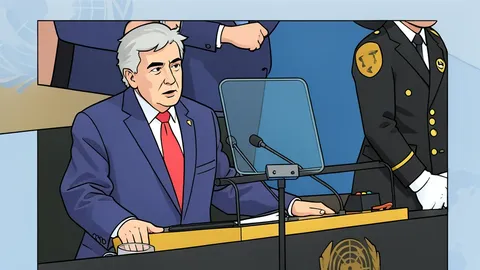
- These statements coincide with UN General Assembly meetings, maintaining a backdrop of potential diplomatic engagement.
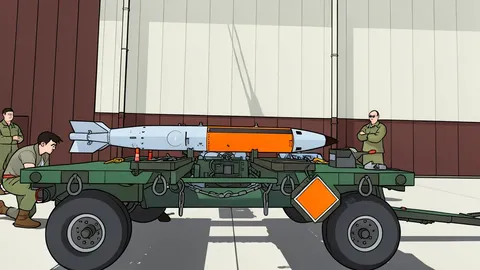
President Donald Trump has asserted that the United States military has successfully eliminated Iran’s nuclear program, a claim that marks a significant escalation in the rhetoric surrounding the long-standing dispute between Washington and Tehran. According to reports from voiceofemirates.com, the President stated that Iran made a "grave mistake" and that the US would ensure Tehran never acquires a nuclear weapon. These remarks were issued without immediate independent verification of the specific damage inflicted on Iranian nuclear facilities, leaving the extent of the claimed military success open to question.
The President framed the action as a necessary step to preserve national security, emphasizing the need for the United States to remain unified in its approach to the Iranian regime. He described the current situation as a critical juncture where continued pressure is essential to prevent any resurgence of nuclear capabilities. While the statements suggest a hardening of the US stance, they also coincide with ongoing diplomatic discussions at the United Nations General Assembly in New York, creating a complex backdrop of simultaneous military assertion and potential diplomatic engagement.
Economic Pressure as Strategic Tool
Beyond the military dimension, Trump highlighted the impact of US sanctions, claiming that the United States had effectively "destroyed the Iranian economy." This assertion underscores the administration's strategy of using economic leverage as a primary instrument of foreign policy. By linking military capability with economic coercion, the President presented a comprehensive approach to isolating Tehran from the global stage, aiming to constrain its resources and influence simultaneously.
Analysts note that such broad claims regarding economic destruction often serve to justify the continuation or expansion of restrictive measures. The administration has consistently argued that maximum pressure is the most effective method to compel behavioral change from the Iranian government. However, critics within and outside the US government have long debated the long-term efficacy of these sanctions, questioning whether they achieve the desired diplomatic outcomes or merely entrench the regime's isolation.
Diplomatic Ambiguity Amidst UN Sessions
The timing of these statements, coinciding with the United Nations General Assembly meetings, adds a layer of diplomatic complexity. While the President’s language suggests a decisive military and economic victory, the presence of both delegations in New York keeps the channel for dialogue open. Observers are watching closely to see if the hardline rhetoric will translate into a break in negotiations or if it serves as a negotiating tactic to strengthen the US hand in future talks.
The tension between the rhetoric of destruction and the reality of ongoing diplomatic presence creates a fragile environment. Any misstep in communication could quickly escalate the situation, given the high stakes involved in the nuclear issue. The international community remains divided on the best path forward, with some nations urging de-escalation and others supporting the US position that Iran must be completely disarmed of nuclear capabilities.
Uncertain Future for Nuclear Facilities
Despite the bold claims, the precise status of Iran’s nuclear infrastructure remains unclear. Without independent inspections or detailed technical assessments, the extent of the damage to key facilities is subject to speculation. The lack of transparency complicates the verification process and raises questions about the durability of the claimed elimination. This uncertainty could lead to further tensions if inspections are denied or if evidence suggests that significant capabilities remain intact.
The next moves by both Washington and Tehran will be critical in determining the trajectory of the conflict. Whether the US follows through with further military actions or shifts back to diplomatic engagement will depend largely on the verification of the current claims. For now, the focus remains on the potential for renewed dialogue, with the world watching to see if the window for negotiation remains open amidst the heightened rhetoric.