Lithuanian Seimas Initiates Repeal of Nuclear Weapons Ban
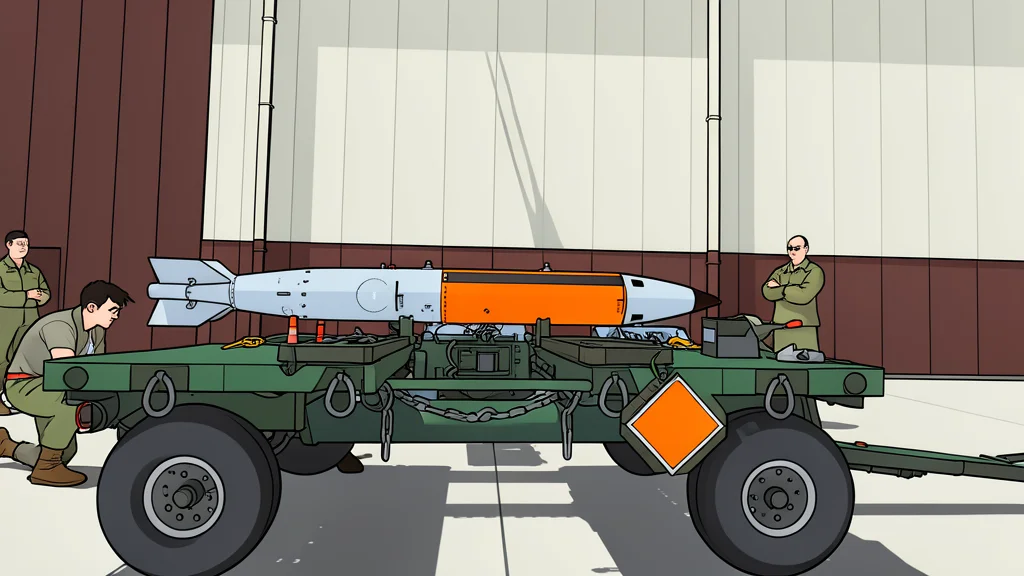
Lithuania's parliament voted to remove constitutional restrictions on hosting nuclear arms, signaling a shift in NATO defense strategy.
Key points
- Lithuanian parliament voted 99-13 to initiate the repeal of the constitutional ban on nuclear weapons deployment.
- The amendment requires two votes with a three-month gap, with the first scheduled for October 6.
- Lithuania is currently the only NATO country with a constitutional prohibition on hosting nuclear arms.
The Lithuanian Seimas has taken a decisive step toward altering the country's defense posture by voting to remove a constitutional prohibition on the deployment of nuclear weapons. The move, reported by the Ukrainian outlet Мілітарний, marks a significant departure from Vilnius's long-standing legal framework regarding weapons of mass destruction.
In a session marked by broad consensus, 99 deputies supported the initiative, while 13 opposed and five abstained. This preliminary vote clears the path for a more complex constitutional amendment process, which requires two separate votes with a minimum three-month interval between them to finalize the change.
Constitutional Framework and Procedural Steps
Article 137 of the Lithuanian Constitution currently stipulates that neither weapons of mass destruction nor military bases of foreign states may be deployed on the country’s territory. The proposed amendments would repeal this specific restriction, allowing Lithuania to consider hosting nuclear assets if deemed necessary for the defense needs of the nation or its allies.
According to parliamentary procedure, definitively amending the Constitution requires at least 94 out of 141 members of parliament to vote in favor on two separate occasions. The first of these votes is scheduled for October 6, with the second potentially taking place as early as January 12 of the following year.
Strategic Rationale for Allies and Adversaries
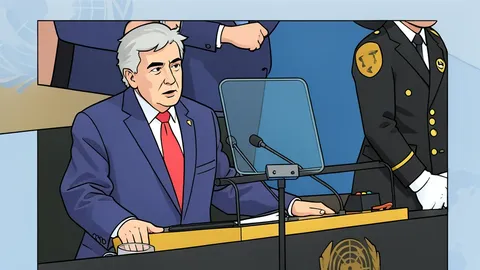
Remigijus Motuzas, a representative of the Social Democrats, argued that removing this provision demonstrates to both allies and adversaries that Lithuania is a full-fledged part of NATO’s nuclear deterrence system. He noted that Lithuania is currently the only NATO member state with a constitutional ban on the deployment of nuclear weapons, creating a unique legal anomaly within the alliance.
The initiative aligns with broader regional shifts, as Lithuania reportedly began negotiations with the United States in June regarding the potential deployment of American nuclear weapons. Similar discussions have emerged in Estonia and France, indicating a coordinated move among Baltic and European states to strengthen their nuclear umbrella.
Regional Implications and Future Watch Points
The forward question now centers on whether the second constitutional vote will achieve the required supermajority. Observers are watching closely for any diplomatic reactions from Russia or shifts in NATO internal policies that might accompany this legislative evolution.
As the calendar moves toward the October session, the political landscape in Vilnius will likely focus on ensuring sufficient parliamentary support. The outcome will not only redefine Lithuania's legal sovereignty regarding nuclear assets but also serve as a test case for broader European security integration.