Trump Claims US Winning Iran Conflict as Diplomacy Rekindles
President Trump asserts the US is winning the war in Iran very handily, linking the conflict's end to lower fuel prices and confirming ongoing talks with the Houthis.
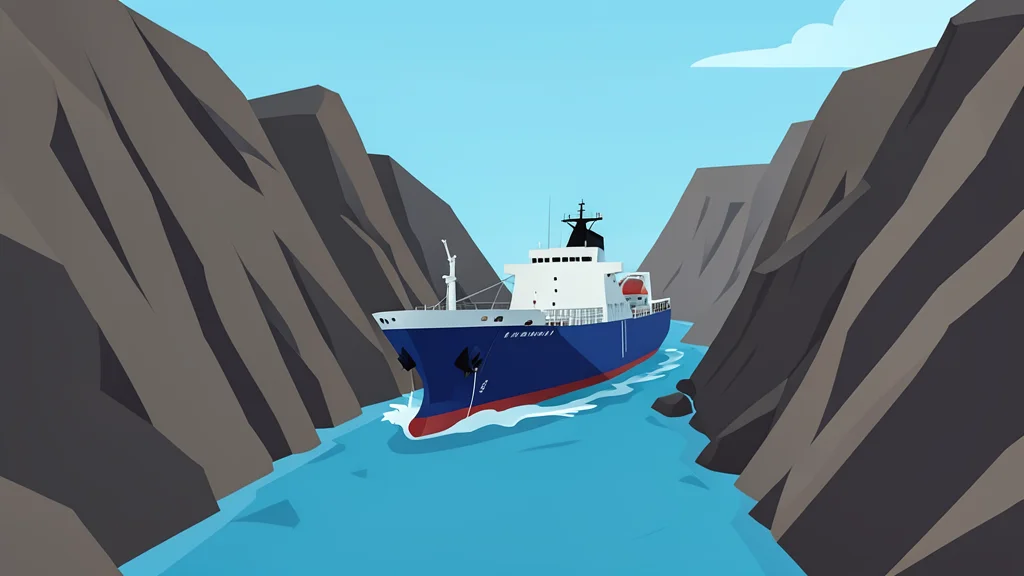
President Donald Trump declared on Friday that the United States is winning the war with Iran very handily, a statement that marks the most optimistic American assessment of the conflict's trajectory since it began seven months ago. Speaking to NewsNation, Trump connected the military situation directly to economic relief, asserting that the war will end soon and that gas prices will subsequently drop to pre-war levels or even lower. This declaration arrives as satellite imagery indicates a shift in maritime activity, with VLCC supertankers recently transiting the Strait of Hormuz in both directions during daylight hours.
The President’s remarks offer a comprehensive view of the current diplomatic landscape. He confirmed that direct or indirect communications are underway with the Houthis, the first public acknowledgment from Washington of such talks with the Iran-backed group. Trump also disclosed an agreement with Chinese President Xi Jinping, expressing confidence in their upcoming meeting next week. These developments suggest a potential thaw in tensions that have escalated throughout the conflict, particularly regarding Beijing's stance on the G20 financial statement and allegations involving cryptocurrency networks.
Economic Relief Tied to Conflict End
Trump framed the issue of Iran’s nuclear program as a matter of public consensus, arguing that voters overwhelmingly prefer lower gas prices over the prospect of Iran acquiring nuclear weapons. He acknowledged the direct link between disruptions in the Strait of Hormuz and the Bab al-Mandeb Strait to the elevated fuel costs, noting that diesel prices have exceeded six dollars per gallon and Brent crude has remained above one hundred dollars per barrel. According to the President, bearing short-term burdens is necessary to ensure Iran never acquires a nuclear weapon, a goal he described as a massive landslide preference among the American public.
Diplomatic Channels and Regional Tensions
The confirmation of talks with the Houthis is significant, as the group has seized key locations such as Mocha and Perim Island and struck Saudi Arabia’s East-West pipeline. Trump stated that the Houthis want to know whether an agreement can be reached, signaling a potential pathway to de-escalation in the Red Sea region. Meanwhile, regarding Ukraine, the President noted that Russia has been attacking Ukrainian allies for approximately five years, a remark that contextualizes the ongoing drone and missile exchanges despite recent diplomatic visits to Moscow by US officials.
The diplomatic landscape shows the first signs of movement in weeks, with CENTCOM confirming that no ships have passed the naval blockade without US authorization in sixty days. Iran’s Foreign Minister has stated that Tehran will reciprocate if the US returns to its June 17 MOU commitments. Additionally, the planned meeting between Iran and Gulf coastal states in Oman, which was postponed on September 13, remains a key indicator of regional stability. The upcoming Xi-Trump meeting may further influence these dynamics, potentially addressing the US-China tensions that have emerged over financial and military issues during the conflict.
Forward Momentum in Maritime Traffic
The return of supertanker traffic through the Strait of Hormuz suggests a gradual normalization of maritime routes, a development that aligns with Trump’s promise of economic relief. As the conflict enters a new phase, the focus shifts to whether the diplomatic progress can be sustained. The coming week’s meeting between US and Chinese leaders will be closely watched for signals on broader geopolitical cooperation. For now, the balance of power appears to be tilting in favor of a negotiated resolution, with economic pressures and military positioning both playing critical roles in shaping the outcome.