Germany Receives First F-35 as NATO Defense Spending Rises
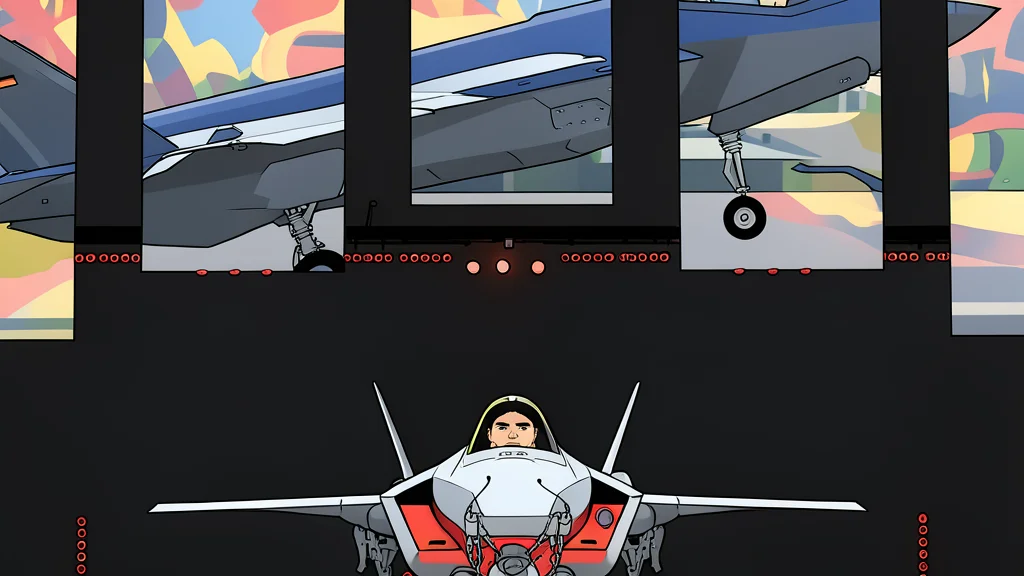
The delivery of the first F-35A marks a significant step in Germany's military modernization, aligning with broader European commitments to increase defense budgets.
Germany has officially received the first of thirty-five F-35A Lightning II fighter jets, a delivery that signals a pivotal shift in the nation's air force capabilities. The aircraft was handed over by Lockheed Martin during a ceremony in Fort Worth, Texas, attended by German Defence Minister Boris Pistorius. This event underscores a broader strategic realignment, as Berlin accelerates its military buildup following years of comparatively restrained spending.
According to GN geopolitics/nato, the acquisition is part of a larger effort to modernize equipment and fulfill nuclear-sharing obligations within the alliance. The new jets are intended to replace the aging Tornado fleet, which has served as a backbone of German air power for decades. The timing of the delivery, arriving four years after the initial order was placed in 2022, reflects the complex logistics and political negotiations involved in such a major defense procurement.
Strategic Shift in European Defense
The arrival of the stealth aircraft comes amid a significant increase in defense commitments across the continent. European NATO members have recently agreed to raise their spending targets, responding to long-standing pressure from Washington to shoulder more of the security burden. This shift allows the United States to focus its resources on other global challenges, including countering strategic competition from China.
German officials have described the F-35 as a cornerstone of this new era for the Air Force, citing its advanced sensor technology and integration capabilities with other platforms. The move is viewed not just as a replacement for obsolete hardware, but as a fundamental upgrade in operational readiness and interoperability with allied forces.
Budget Commitments and Future Outlook
The financial implications of these upgrades are substantial, with nations agreeing to devote a higher percentage of their GDP to security-related spending by 2035. This increased budgetary flexibility is seen as a necessary response to the evolving threat landscape in Europe. By investing in cutting-edge technology and expanding capabilities, member states aim to ensure a robust defense posture for the coming decade.
Looking ahead, attention will turn to the pace of integration and training for the new fleet. While the first jet has landed, the full operational deployment of the thirty-five aircraft will take time. Observers will watch how quickly these capabilities are operationalized and how they influence broader alliance planning and deterrence strategies in the region.