Trump Faces Skepticism as Iran Conflict Enters Second Year
President Trump returns to the United Nations amid a prolonged and costly conflict with Iran, facing a diplomatic landscape marked by deep skepticism regarding both the efficacy of recent military strikes and the sustainability of the current strategic posture.
As President Donald Trump prepares to address the United Nations General Assembly, the tone of the gathering has shifted markedly from the previous year. A year ago, the administration touted the destruction of Iran’s nuclear sites as a definitive victory that brought peace to the region. However, according to reporting from GN auto geopolitics/middle-east: Iran nuclear, the current reality is defined by a grinding six-month conflict that has neither resolved the nuclear threat nor stabilized the broader Middle East. The audience in New York is increasingly rattled by the sustained instability and the visible limits of American power projection in the region.
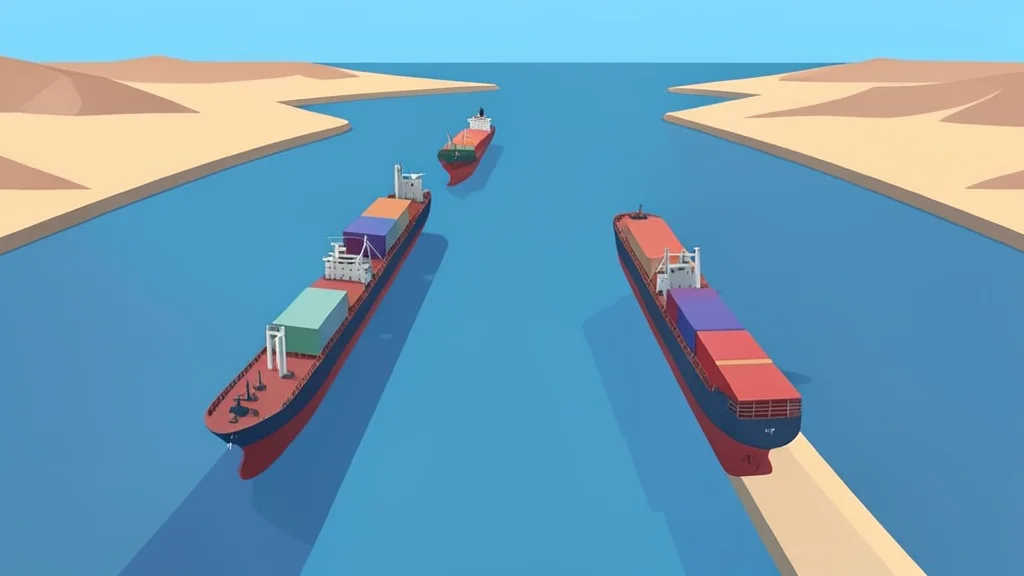
The situation has been further complicated by the actions of Iran’s allies. Houthi militants in Yemen have tightened their grip on the Red Sea chokepoint, significantly spiking global energy prices and disrupting oil shipments through the Strait of Hormuz. This development has placed significant pressure on Washington’s allies, many of whom have spurned requests for assistance in a conflict they view as a war of choice launched without sufficient consultation. The resulting diplomatic isolation contrasts sharply with the administration’s earlier rhetoric of a unified international front against nuclear proliferation.
Diplomatic Isolation and Regional Instability
European and Asian partners have largely distanced themselves from the current campaign, citing damaging economic fallout and a lack of shared strategic objectives. Aaron David Miller, a former adviser on Middle East policy, noted that the current trajectory illustrates the consequences of launching a war without anticipating unintended consequences. For the administration, the domestic political stakes are also rising, with high gasoline prices and declining approval ratings posing a tangible risk ahead of the November midterm elections. The conflict has hardened into a stalemate that has depleted military stockpiles without achieving the promised rapid resolution.
The Houthi advance has exposed vulnerabilities in the security architecture of the Gulf. By seizing islands at the mouth of the Bab el-Mandeb Strait, the militants have gained leverage that threatens global shipping lanes and directly impacts US allies like Saudi Arabia. A senior administration official stated that the United States remains focused on ensuring freedom of navigation while empowering regional partners to lead in resolving security challenges. However, analysts argue that this approach reveals the limits of Washington’s ability to protect its partners when they are subjected to asymmetric threats from non-state actors.
Disputed Claims on Nuclear Capabilities
The administration’s narrative regarding Iran’s nuclear program faces significant scrutiny from independent experts. While President Trump has repeatedly claimed that US strikes obliterated Tehran’s uranium enrichment capacity, experts determined that the attacks only seriously set back the program rather than eliminating it. The president’s assertion that Iran was on the verge of developing a nuclear weapon, which served as the justification for the initial strikes, has been disputed by analysts who note that Tehran has consistently denied seeking such weapons. This discrepancy between official claims and expert assessments has fueled skepticism among world leaders attending the assembly.
Despite the intensity of the airstrikes, which resulted in the deaths of several senior Iranian leaders, Iran has demonstrated considerable resilience. The country has continued to stockpile near-weapons-grade highly enriched uranium, much of which is believed to be buried and thus outside the reach of conventional air power. The persistence of this nuclear material, combined with Iran’s ability to strike back at Gulf neighbors and US bases, suggests that the underlying security threat remains unresolved. The administration’s framing of the conflict as a success is increasingly at odds with the observable reality on the ground.
Strategic Uncertainty Ahead of Midterms
As the conflict enters its second year, the forward-looking challenges for Washington are substantial. The administration must navigate a complex web of regional tensions while managing domestic political pressures. The upcoming UN speech is expected to reiterate the administration’s view of the campaign as a victory, but the skepticism in the hall reflects a broader international doubt about the long-term strategy. The key question now is whether the US can stabilize the region and secure its energy interests without further escalation, or if the current stalemate will persist, complicating the political landscape for the remainder of the administration’s term.