Trump Threatens to Annihilate Iran During UN Address
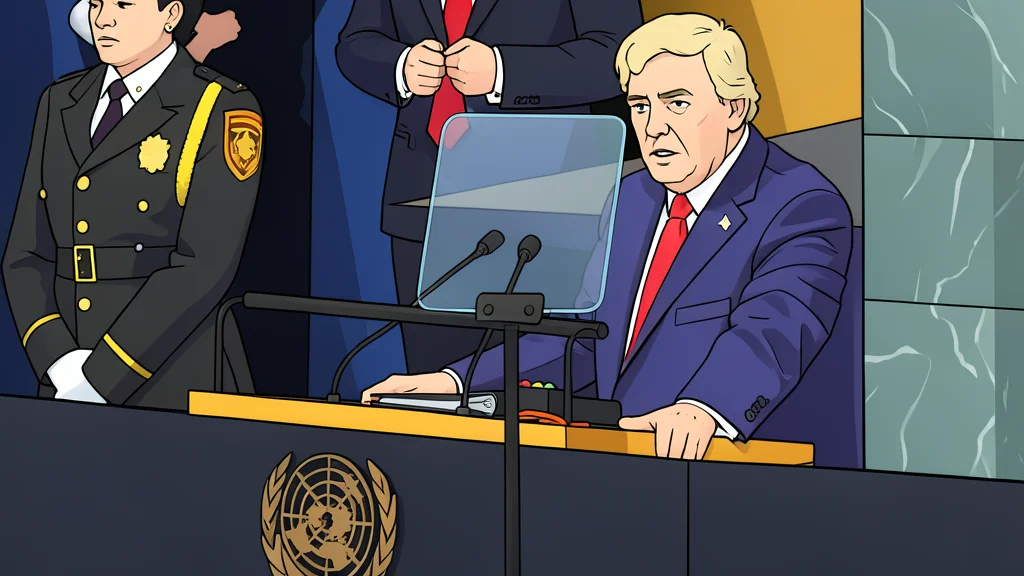
The US President warned the UN General Assembly he may destroy Iran's state if a deal is not reached, framing the conflict as a necessary security measure.
Key points
- Trump stated he must decide between a deal with Iran or destroying the country.
- The President linked the timing of a potential deal to US midterm elections.
- The speech justified the seven-month war as a measure to stop nuclear acquisition.
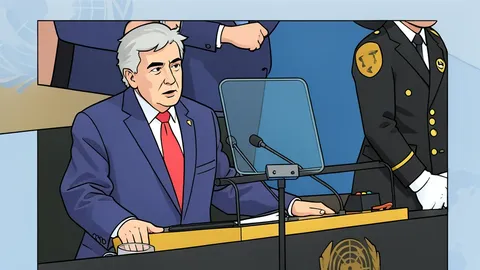
US President Donald Trump delivered a stark warning to the United Nations General Assembly on Tuesday, stating that he faces a binary choice between negotiating a deal with Iran or
According to Africanews, the address was characterized by broad claims of American strength and a narrative of reshaping the global order. The President positioned the ongoing conflict as a defensive action taken to prevent Tehran from acquiring nuclear weapons, despite the recent escalation of hostilities.
Rhetoric of force and peace
In his remarks, the President contrasted his administration’s approach with that of previous leaders, asserting that he has confronted threats while others ignored them. This narrative was used to justify the military campaign that has persisted for nearly seven months. He described the situation as a test of resolve, implying that diplomatic avenues are open only if they align with US strategic interests.
The speech included explicit language regarding the potential destruction of the Iranian state, a phrasing that marked a significant departure from typical diplomatic caution. By framing the decision as a matter of existential security, the administration sought to preempt criticism of the war's duration and cost, presenting military action as a viable alternative to prolonged negotiation.
Economic and political pressures
The President predicted that Iran would seek a deal immediately following the US midterm elections in November. This timeline coincides with a period when his Republican party faces the risk of losing control of Congress. Analysts note that high fuel prices, attributed to the conflict, have contributed to voter dissatisfaction and may influence the political landscape.
The threat of further escalation comes as oil prices have recently dropped to their lowest levels in ten days, suggesting a temporary stabilization in the energy market. However, the underlying geopolitical tensions remain high, with reports indicating that large numbers of Iranian ground forces remain deployed along borders, signaling continued readiness for conflict.
Regional tensions and future outlook
The broader context includes ongoing instability in the region, with recent postponements of cultural events due to security concerns in the Red Sea area. The interplay between diplomatic threats and military posture suggests that the next phase of the conflict will be heavily influenced by domestic political calculations in Washington.
As the General Assembly session continues, the focus remains on whether international partners will support or challenge the US stance. The coming weeks will likely see a critical test of diplomatic channels, with the potential for either a negotiated settlement or a significant intensification of hostilities depending on the outcome of upcoming elections and economic conditions.