Tunisian Prisoners Face Lethal Heat Amid Disputed Official Data
Rights groups report twenty-three deaths linked to extreme temperatures, while authorities cite the need for forensic confirmation before attributing causes.
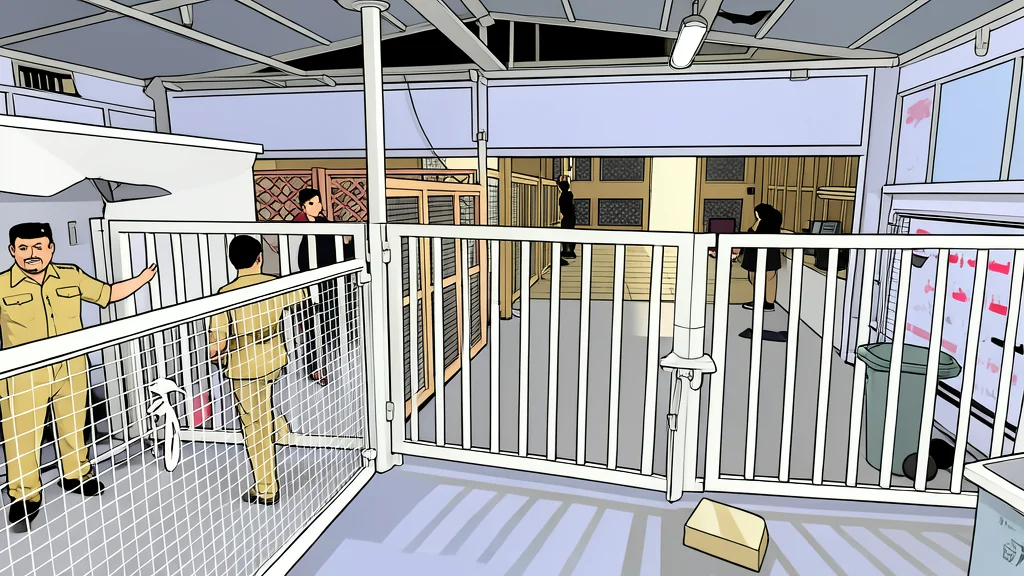
Tunisian human rights organizations have documented at least twenty-three prisoner deaths in recent weeks, attributing the fatalities to extreme heat and inadequate detention conditions. According to the Tunisian League for Human Rights, temperatures in overcrowded cells frequently exceeded forty-five degrees Celsius during the recent heatwave, creating a critical health crisis for inmates. The league’s president, Bassam Trifi, stated that these figures were compiled from reports by doctors, legal representatives, and family members of the deceased.
Government officials have not yet released comprehensive statistics on prison mortality for the summer period. A Tunisian official indicated that any attribution of death to heat exposure requires a formal conclusion from forensic experts. This stance highlights a significant divergence between the immediate concerns of rights advocates and the procedural requirements of the state, leaving the full scale of the crisis uncertain in the public record.
Discrepancy in official mortality records
The conflict between civil society and the state is not new, as human rights groups have long criticized chronic overcrowding, poor ventilation, and limited water access in Tunisian facilities. The prison administration has consistently rejected these allegations, asserting in July that all inmates receive medical care in accordance with established rules and that necessary measures were implemented to mitigate the effects of the heat. This institutional defensiveness has complicated efforts to obtain independent verification of the reported deaths.
Barriers to independent oversight
International bodies have expressed growing concern over the deteriorating situation. The World Organisation Against Torture called for transparent and independent investigations, urging authorities to allow human rights organizations to visit prisons. However, access has been severely restricted; the Tunisian League for Human Rights stated that its representatives have been barred from such visits since November 2025. This lack of access prevents external observers from assessing conditions directly, leaving reports reliant on secondary sources and legal channels.
Vulnerability of political detainees
Among the most vulnerable are imprisoned critics of President Kais Saied, whose families have voiced alarm regarding their health during the summer heat. Lawyers for eight-five-year-old Ennahdha party leader Rached Ghannouchi described his condition as critical in July following reports of fainting and severe exhaustion. Similarly, the daughter of eighty-two-year-old activist Ahmed Nejib Chebbi expressed concern for his well-being, while human rights groups describe the charges against his uncle, Issam Chebbi, as politically motivated.
Concerns have also extended to media figures, including investigative journalist Mohamed Yousfi, who was detained last week prior to a broadcast on water supply disruptions. Yousfi subsequently underwent surgery for appendicitis, and the National Syndicate of Tunisian Journalists reported that his defense team had to leave an interrogation to bring him medication. According to GN geopolitics/rights (en-US), these incidents underscore the broader pattern of health risks faced by detainees in a system where oversight is limited and conditions remain contested.