UK Gas Falls to 193p as Middle East Diplomacy Is Watched

UK natural gas prices retreated to 193 pence per therm on Monday, reflecting market expectations of potential diplomatic progress in the Middle East.
Key points
- UK natural gas prices dropped to 193 pence per therm on Monday following diplomatic signals from the US and Iran.
- European gas storage stands at 68.5%, below seasonal averages, heightening sensitivity to supply disruptions.
- LNG shipments via the Strait of Hormuz remain restricted, while Asian competition and Norwegian maintenance limit supply.
UK natural gas prices pulled back to 193 pence per therm on Monday, reversing the sharp gains seen in the previous session. According to TradingView, this moderation in pricing occurred as traders closely monitored diplomatic developments aimed at resolving the ongoing conflict in the Middle East. The market’s reaction suggests a cautious optimism that geopolitical tensions may de-escalate, thereby reducing immediate fears regarding energy supply chains.
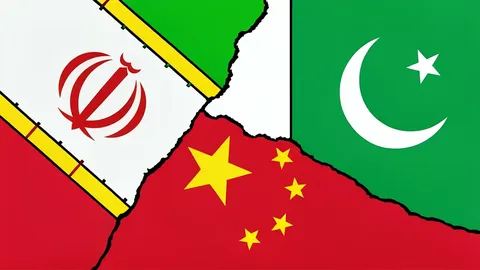
The shift in sentiment was partly driven by remarks from US President Donald Trump, who indicated he might be open to meeting Iranian President Masoud Pezeshkian. This potential dialogue is expected to coincide with the UN General Assembly later this week. Although Tehran has not yet responded to these comments, the prospect of high-level talks has provided some relief to markets that had been bracing for prolonged instability.
Supply Risks Remain Elevated
Despite the diplomatic signals, fundamental supply risks persist. The conflict continues to restrict liquefied natural gas (LNG) shipments through the Strait of Hormuz, a critical chokepoint for global energy trade. Traders remain wary of prolonged disruptions, as any breakdown in diplomacy could quickly reverse the recent price declines. The uncertainty surrounding these shipping routes keeps a premium on risk, preventing a full normalization of trading conditions.
European gas storage levels offer little additional comfort, currently sitting at approximately 68.5% capacity. This figure remains below the typical seasonal average, leaving the region with less buffer against supply shocks. With the heating season approaching, the market is increasingly sensitive to any extended interruptions in gas flows. This tightness in storage means that even minor disruptions could trigger significant price volatility in the coming weeks.
Competitive Pressure From Asia
The competitive landscape for LNG adds another layer of complexity to the European market. Intense competition with Asian buyers for available cargoes continues to exert upward pressure on prices. Additionally, ongoing maintenance work on Norway’s gas infrastructure has reduced the flow of pipeline gas into Europe. These factors combine to limit the flexibility of European suppliers, forcing them to rely more heavily on the spot LNG market, where prices are highly volatile and subject to global demand shifts.
Market Sensitivity To Disruptions
As the autumn heating season approaches, the energy market remains highly sensitive to any extended supply disruptions. The combination of low storage levels, geopolitical risk, and competitive demand creates a fragile environment. Analysts suggest that while diplomatic progress could provide temporary relief, the underlying structural vulnerabilities in the supply chain remain significant. Investors are advised to watch closely for any signs of diplomatic breakthroughs or further restrictions on LNG shipping, as these will likely dictate the direction of gas prices in the near term.