Hebrew Holiday Curfew Restricts 2,500 Hebron Residents
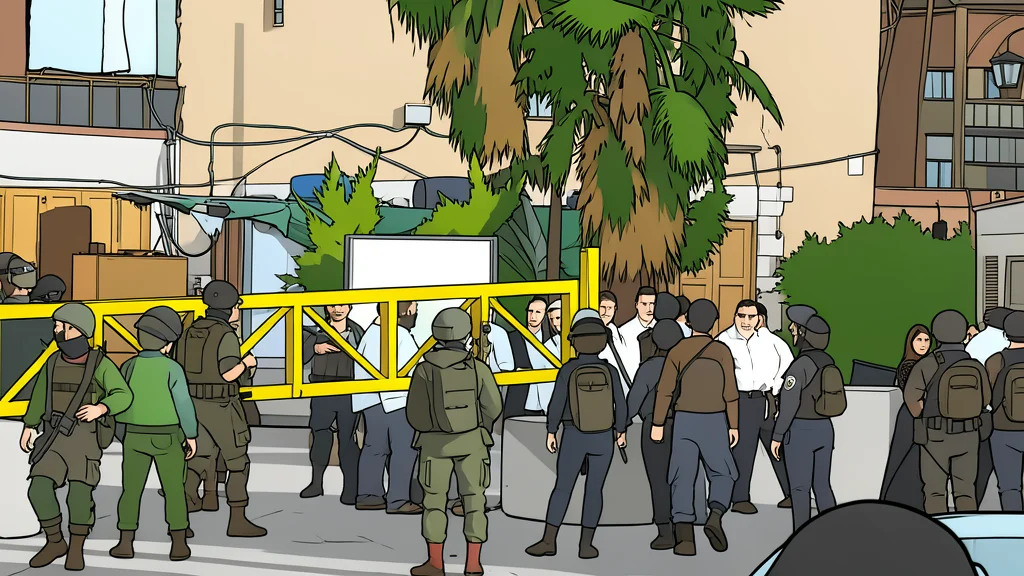
Israeli forces imposed movement bans on central Hebron neighborhoods during Yom Kippur, affecting over 2,500 residents.
Key points
- A curfew affecting over 2,500 residents was imposed in central Hebron neighborhoods during the Yom Kippur holiday.
- The restrictions prohibit movement, work, and school attendance in the Jaber, Al-Salaymeh, and Wadi al-Hussein districts.
- Hebron remains divided under the 1997 protocol, with the Old City and Ibrahimi Mosque under Israeli security control.
Israeli military authorities implemented a curfew across several neighborhoods in central Hebron on Sunday evening, a measure that restricts the movement of more than 2,500 Palestinian residents. According to local rights activists, the restrictions coincide with the Jewish holiday of Yom Kippur and limit access to workplaces, schools, and commercial areas.
Aref Jaber, a member of the Human Rights Defenders group, stated that the curfew covers the Jaber, Al-Salaymeh, and Wadi al-Hussein districts. The restrictions began at 5:00 p.m. local time on Sunday and are expected to remain in effect until the conclusion of the holiday on Monday, effectively freezing daily life in these specific zones.
Holiday security measures in Hebron
Middle East Monitor reports that such restrictions are a recurring feature during major Jewish observances in the city. Security is typically heightened around the Ibrahimi Mosque, also known as the Cave of the Patriarchs, where access arrangements have been divided between Muslim and Jewish worshippers since 1994. These temporary measures often form part of broader protocols that include checkpoint closures and travel bans across the wider West Bank region.
Administrative division of the city
Hebron operates under a complex administrative framework established by the 1997 Hebron Protocol. The city is split into two distinct sectors: H1, which comprises approximately 80 percent of the urban area and is administered by the Palestinian Authority, and H2, which includes the Old City and Israeli settlement enclaves. The latter remains under direct Israeli security control, creating a fragmented landscape of jurisdiction and mobility rights for the local population.
Context of the Yom Kippur period
Yom Kippur, or the Day of Atonement, is considered one of the holiest days in the Jewish calendar, traditionally marked by fasting and prayer. It falls within a broader period of religious observances that includes Rosh Hashanah and Sukkot. During these weeks, Israeli authorities generally introduce heightened security arrangements in Jerusalem, Hebron, and other parts of the occupied West Bank, often resulting in significant disruptions to Palestinian daily life and economic activity.