Culiacan Residents Rally for Peace as Cartel Conflict Enters Second Year
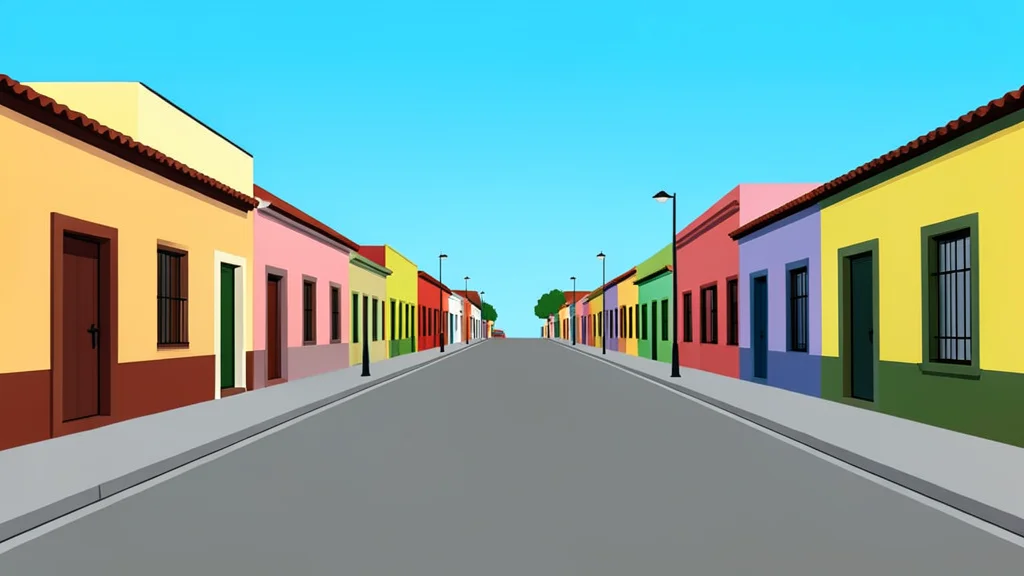
Thousands gathered in Sinaloa's capital to mark the second anniversary of the internal cartel war, demanding an end to the violence that has destabilized the region.
Thousands of residents descended upon the streets of Culiacan on Sunday to demand an immediate halt to the violence that has gripped the city. The gathering, which coincided with the second anniversary of the internal conflict within the Sinaloa cartel, was a stark display of civic exhaustion. Participants, many dressed in white, held signs urging an end to the fear that has permeated daily life. The protest was organized by a coalition of local businesses, civil society groups, and the Catholic Church, reflecting a broad front of opposition to the ongoing instability.
The unrest stems from a bitter split between two factions of the Sinaloa cartel, known as Los Chapitos and La Mayiza. According to reports from the GN auto geopolitics/americas: Mexico cartel desk, this feud erupted after the arrest of drug lord Ismael Zambada in the United States. His followers allege he was betrayed by the faction led by Joaquín Guzmán's son, leading to a cycle of retaliatory violence. The conflict has transformed a regional criminal dispute into a public safety crisis for the millions of civilians living in Sinaloa.
Economic and Social Toll
The human and economic cost of the conflict is mounting. Official figures indicate a sharp rise in murders, disappearances, and extortion since the war began. Local business leaders have reported that over five thousand establishments have been forced to close their doors. Sergio Esquer, a local businessman and political figure, described the situation as a tragedy for the state. The violence has not only claimed lives but also disrupted the social fabric, leaving families with a profound sense of insecurity.
The emotional weight of the crisis was visible during the march. Relatives of victims, including a one-year-old child who died in a recent shootout, joined the crowd. The event began with a Mass where the local bishop appealed directly to the armed groups. He urged them to prioritize human life over territorial ambition or financial gain, highlighting the moral dimension of the conflict. The presence of the church in the protest underscores the deep community desire for stability.
Political Complications in Sinaloa
The security crisis is further complicated by political turmoil within the state government. In April, United States prosecutors accused Governor Rubén Rocha and several other officials of conspiring with Los Chapitos to smuggle drugs. Rocha denied the allegations and temporarily stepped down while Mexican authorities conducted their own investigation. Although he recently returned to his post, he subsequently requested another leave of absence. This move followed a social media post by President Claudia Sheinbaum that criticized leaders who lack principles, a remark widely interpreted as a reference to Rocha.
Looking Ahead to Resolution
As the conflict enters its second year, the path to peace remains unclear. The recent protests signal a growing refusal by the population to accept violence as a normality. However, the entrenched nature of the cartel factions and the political uncertainties surrounding the state government suggest that a quick resolution is unlikely. The coming months will likely be defined by continued tension between civilian demands for safety and the ongoing power struggles within the criminal organizations.