Guterres and Bourita Discuss Sahara Ahead of Council Review
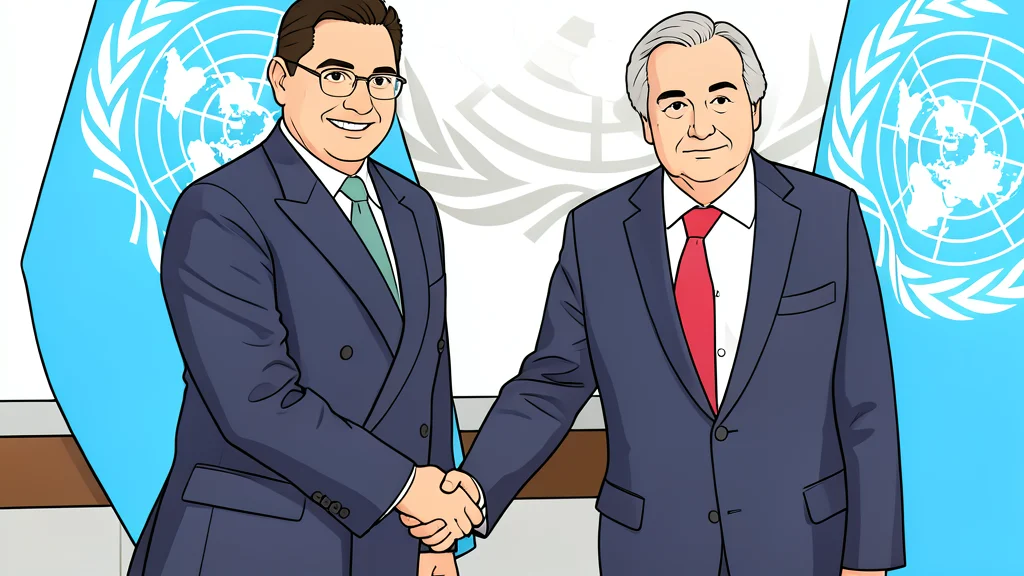
A diplomatic meeting in New York set the stage for upcoming Security Council deliberations on the future of the UN mission in Western Sahara, focusing on regional stability and mandate adjustments.
United Nations Secretary-General António Guterres held a bilateral meeting with Nasser Bourita, Morocco’s Minister of Foreign Affairs, African Cooperation, and Moroccan Expatriates, in New York on Wednesday. According to a statement released by the United Nations, the discussion centered on broader peace and security dynamics across the African continent, alongside the evolving situation in the Middle East.
During the talks, the Secretary-General acknowledged Morocco’s ongoing contributions to UN peacekeeping operations. The timing of the meeting is significant as it precedes a scheduled Security Council session in late October, which will assess the expiration of the current mandate for the United Nations Mission for the Referendum in Western Sahara (MINURSO) on October 31, 2026.
Shifting Focus of the UN Mandate
The upcoming Council session is expected to examine the future trajectory of MINURSO. According to reports, there is a growing consensus to potentially redefine the mission’s role on the ground. Rather than maintaining a focus on organizing a self-determination referendum, the discussion may pivot toward strengthening the mission’s capacity to monitor the military situation and mitigate tensions in the region.
This potential shift aligns with Resolution 2797, which called upon Morocco, the Polisario Front, Algeria, and Mauritania to engage in negotiations without preconditions. The resolution emphasized a framework based on the autonomy proposal put forward by Morocco, suggesting a diplomatic path that prioritizes stability over immediate referenda.
Regional Diplomacy and Continental Security
The bilateral discussions extended beyond the specific Western Sahara issue to address wider continental security challenges. As noted by the UN spokesperson, the Middle East situation also featured prominently in the agenda. This reflects the interconnected nature of geopolitical risks, where developments in one region often influence diplomatic strategies in another.
By engaging directly with key regional stakeholders, the UN aims to foster a cooperative environment that supports its broader peacekeeping objectives. The Secretary-General’s expression of gratitude for Morocco’s peacekeeping support underscores the reliance on member states to sustain international security frameworks in volatile areas.
Watching the October Council Session
The next critical juncture is the Security Council session in late October, where the fate of MINURSO’s mandate will be determined. Observers will be watching closely for any language indicating a formal transition in the mission’s primary objectives. The outcome could set a precedent for how the UN approaches similar long-standing disputes in the region.
As the mandate expiration approaches, the diplomatic groundwork laid in New York will likely shape the negotiations. The focus remains on whether the Council can secure a unified position that balances the call for negotiations with the practical realities of maintaining peace in the Sahara, a complex task that requires sustained international engagement.