South Africa's Top Leaders Step Back Amid Health Concerns
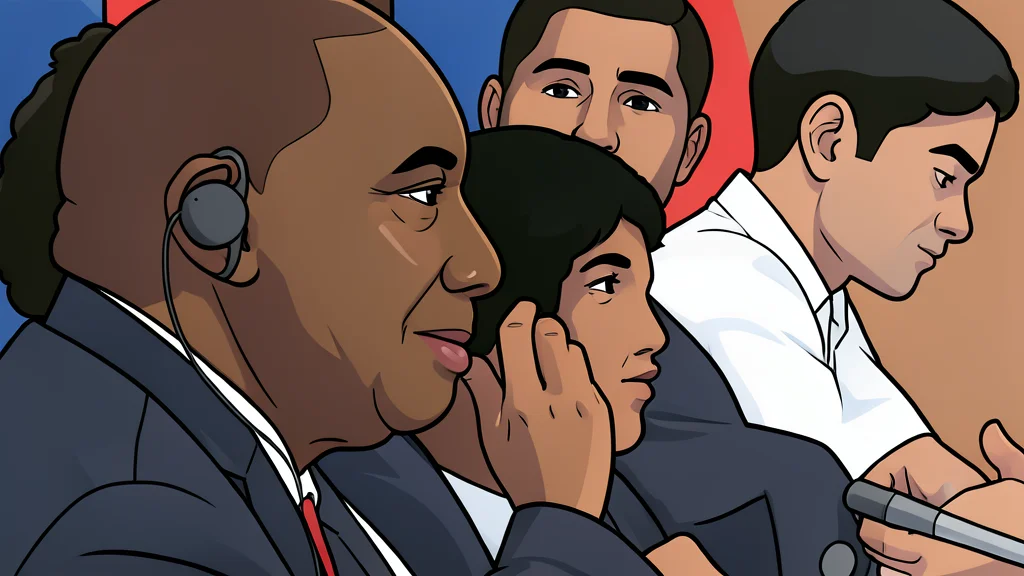
President Cyril Ramaphosa and Deputy President Paul Mashatile are currently withdrawing from public duties, creating a temporary leadership vacuum ahead of critical local elections.
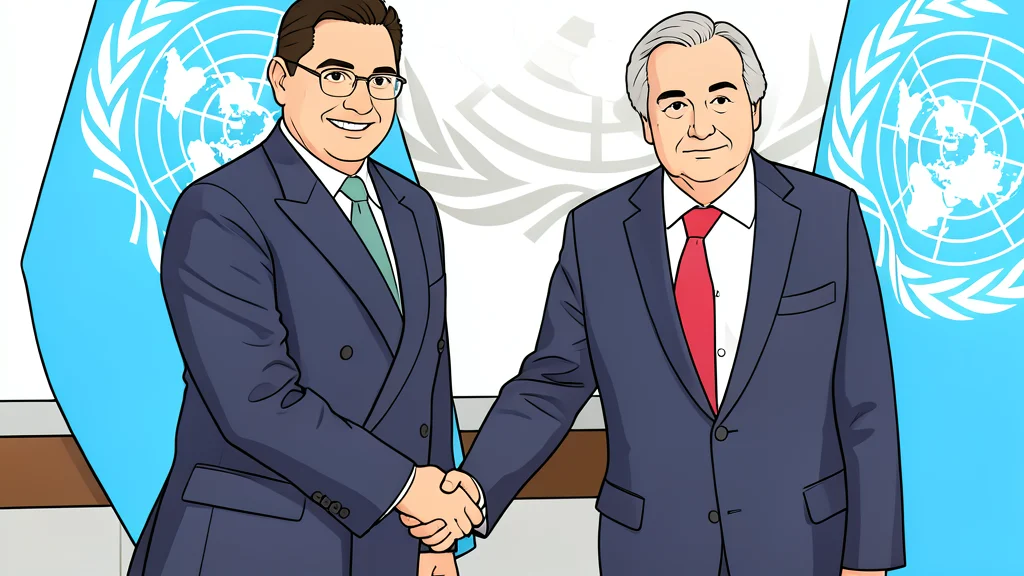
South African President Cyril Ramaphosa has withdrawn from his public schedule following his return from the BRICS summit in India, according to a statement from his office on Wednesday. The 73-year-old leader is currently advised to rest by his medical team after concluding a two-day meeting in New Delhi with counterparts from Brazil, Russia, India, and China.
This development coincides with the ongoing recovery of Deputy President Paul Mashatile, who is also away from public duties following a minor medical procedure. As reported by Africanews, the simultaneous absence of the country’s top two leaders has prompted the delegation of responsibilities to cabinet ministers to ensure continuity of government functions during this period.
Leadership Transition Amid Health Concerns
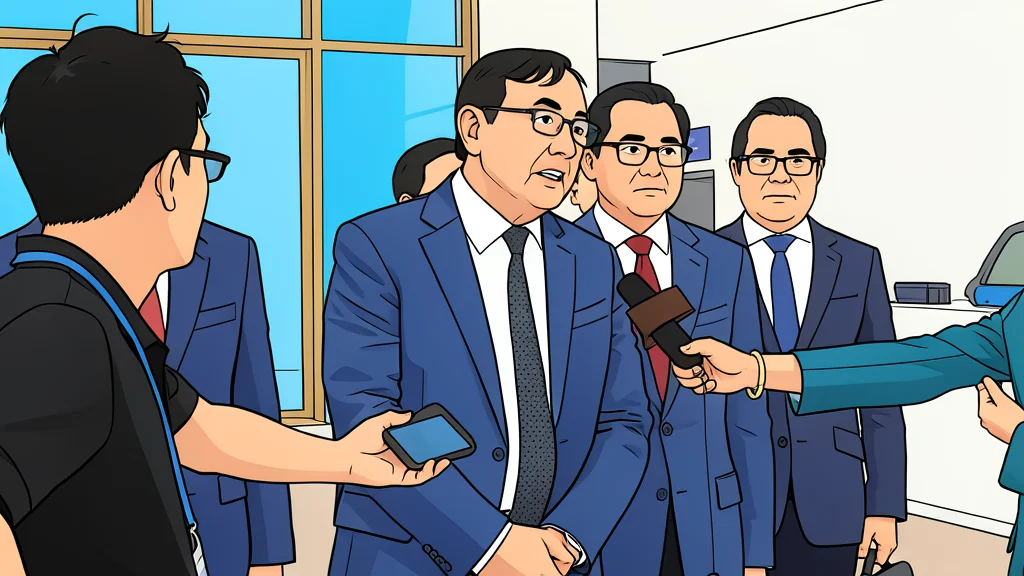
The presidency stated that where possible, the president has requested specific ministers to represent him at scheduled engagements. This move ensures that official commitments are met despite the leaders' need for recuperation. Meanwhile, Mashatile indicated on Tuesday that his recovery is progressing well and that he is regaining strength daily.
Mashatile emphasized that while he continues to rest on medical advice, his office remains fully operational. He noted that work and delegated responsibilities continue under the management of his capable team and other stakeholders in government and business sectors, maintaining a steady administrative flow.
Political Context Ahead of Elections
The timing of these health-related withdrawals is significant as South Africa approaches a busy political season. Local government elections are scheduled for November 4, a period that typically demands high visibility and active engagement from national leaders to support party campaigns and address civic concerns.
With both the president and deputy president currently unavailable for public appearances, the political landscape may see a shift in communication strategies. Opposition parties and civil society groups are watching closely to see how the ruling party manages this gap in leadership visibility during a critical electoral window.
Diplomatic Continuity and Future Outlook
The BRICS summit in New Delhi had focused on inclusive global growth and regional stability in the Middle East. Despite the president's subsequent withdrawal, the diplomatic outcomes of the summit remain in effect, with South African officials continuing to engage with international partners on these agreed-upon priorities.
Observers suggest that the next few weeks will be crucial for assessing the impact of this leadership absence. The public will likely watch for any updates on the leaders' health status and how the government navigates the upcoming electoral period while maintaining its diplomatic and domestic agendas.