UN Security Council Reviews Syria's Fragile Transition Amid New Clashes

The UN Security Council convened on Thursday to assess Syria's political trajectory, focusing on recent armed incidents in the south and economic pressures affecting the population.
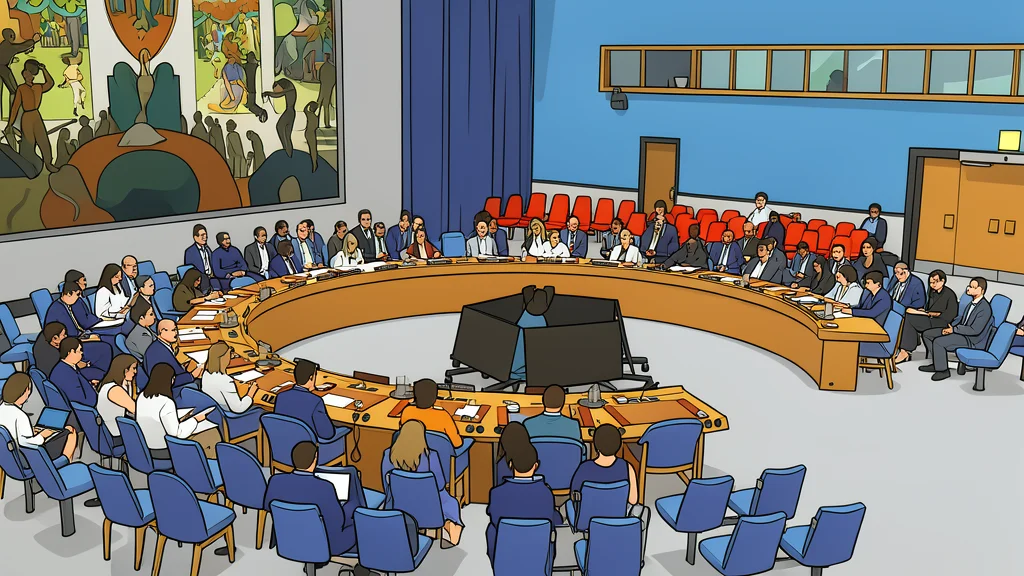
The United Nations Security Council held a briefing session on Thursday, September 17, to examine the evolving political landscape in Syria. The discussion centered on the country's ongoing transition process, which officials described as making steady progress despite significant challenges. According to reports from the UN News desk, the session provided a platform for detailed briefings on the security situation and the broader humanitarian context on the ground.
Key topics included recent reports of deadly armed clashes involving an ISIS-affiliate terrorist group in the southern regions. Additionally, the council addressed public unrest driven by rising fuel prices, which have exacerbated economic difficulties for many Syrians. These issues highlight the complex interplay between security threats and socioeconomic instability that continues to define the post-conflict environment.
Security Concerns in Southern Provinces
The presence of armed groups remains a critical security challenge for the new Syrian authorities. According to information presented during the council session, violent encounters with ISIS-linked elements in the south have raised concerns about the stability of the region. These incidents underscore the difficulty of maintaining a secure environment while the state works to consolidate its control and protect civilian populations from residual terrorist threats.
Humanitarian actors have documented the impact of these clashes on local communities. In areas such as Dar’a governorate, efforts to provide safety awareness and basic services continue amidst a backdrop of tension. The persistence of such groups complicates the transition, requiring a coordinated response that balances security operations with the need to preserve social cohesion and trust between the state and its citizens.
Economic Pressures Fuel Public Unrest
Beyond security, economic factors are driving significant social friction. Protests over increasing fuel costs have emerged as a prominent issue, reflecting the widespread hardship experienced by many Syrians. These demonstrations indicate that the transition is not merely a political exercise but is deeply rooted in the daily realities of livelihood and access to essential services. The affordability of basic goods has become a central point of contention, testing the resilience of the population and the capacity of the state to respond.
Observers note that managing these economic expectations is crucial for the legitimacy of the transitional government. As reported by the GN geopolitics/un desk, the intersection of security and economic stability presents a dual challenge. Addressing fuel prices and other cost-of-living issues is seen as vital to preventing further escalation of unrest and to ensuring that the political transition translates into tangible improvements for the general populace.
Diplomatic Outlook and Next Steps
The Security Council’s engagement signals an international interest in monitoring the trajectory of Syria’s governance. Diplomatic efforts are likely to focus on supporting inclusive dialogue and ensuring that the transition process remains on a stable course. The coming months will be critical as the new administration navigates the delicate balance between enforcing security and alleviating economic pressures.
Attention will now turn to how the council and member states respond to the latest developments. Key indicators to watch include the frequency of armed incidents in the south, the trajectory of fuel prices, and the scale of public demonstrations. The ability of the Syrian authorities to address these issues will determine the pace and success of the ongoing political transition in the region.