UNIFIL Mandate Expiration Reshapes Southern Lebanon Security

With the UN peacekeeping mandate set to expire, the physical and political boundaries of southern Lebanon are being redrawn in the absence of a durable ceasefire.
The United Nations Interim Force in Lebanon, known as UNIFIL, will see its mandate expire at the end of the year without renewal, a decision driven by opposition from the United States and Israel. This marks the end of a nearly five-decade presence that was originally established in 1978 to monitor Israeli troop withdrawals. According to NPR World, the force’s departure occurs just as the region faces renewed instability, leaving a significant gap in the security architecture of southern Lebanon.
The withdrawal comes against a backdrop of a fragile pause in hostilities that began in March. The conflict has resulted in significant human toll, with the Lebanese government reporting over 4,300 deaths and more than 1.2 million people displaced. Israel has cited the loss of 39 soldiers and a military contractor in attacks by the Iran-backed militant group Hezbollah. Seven UN peacekeepers have also been killed since the war began, highlighting the intense risks faced by international observers in this contested zone.
Shifting Boundaries on the Ground
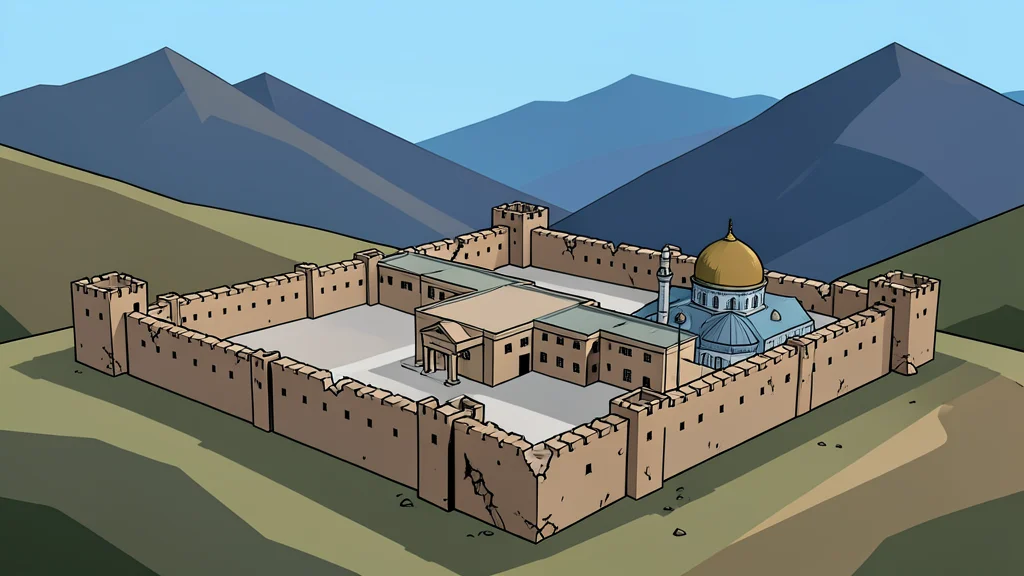
The traditional demarcation line, often referred to as the blue line, has lost much of its practical significance due to months of bombardment and military operations. This line, originally drawn in 2000 to mark the end of an 18-year occupation, is now marked by blue metal barriers but no longer fully reflects the reality on the ground. New lines of control have emerged, altering how civilians move and work, and blurring the distinctions that previously defined the border area.
Israel has established a buffer zone, referred to as the yellow line, which it states is necessary to prevent rocket fire into northern Israel. This zone, which stretches up to five miles in some areas, has been subject to strict access restrictions for Lebanese civilians. According to UNIFIL officials, these restrictions have disrupted daily life, preventing residents from accessing their fields during harvest season and leading to the demolition of homes and infrastructure in border towns.
Challenges to the Security Framework
The implementation of U.N. Security Council Resolution 1701, adopted in 2006 to end the previous war and establish a security framework, now faces renewed challenges. As UNIFIL prepares to conclude its operations, the reopening of certain sectors, such as the eastern area, offers a brief opportunity for observers to regain freedom of movement. However, without a durable ceasefire, the stability of these gains remains uncertain.
French military personnel involved in the peacekeeping efforts have noted that the recent negotiations have allowed for the re-entry into sectors that were previously off-limits. This access is viewed as a critical chance to re-engage with the local environment, which has been profoundly transformed by war. The landscape, marked by rough tracks and physical scars of conflict, requires a relearning of the terrain for those who monitor it.
Looking Ahead to Regional Stability
As the mandate expires, the focus shifts to the forward question of how security will be maintained in the absence of a robust international presence. The lack of a formal agreement on boundaries between the two countries adds complexity to the situation. Observers will be watching closely to see if the fragile pause in fighting holds or if the absence of UNIFIL leads to further escalation in this volatile region.