Qatar Strengthens Health Diplomacy Network in Global South
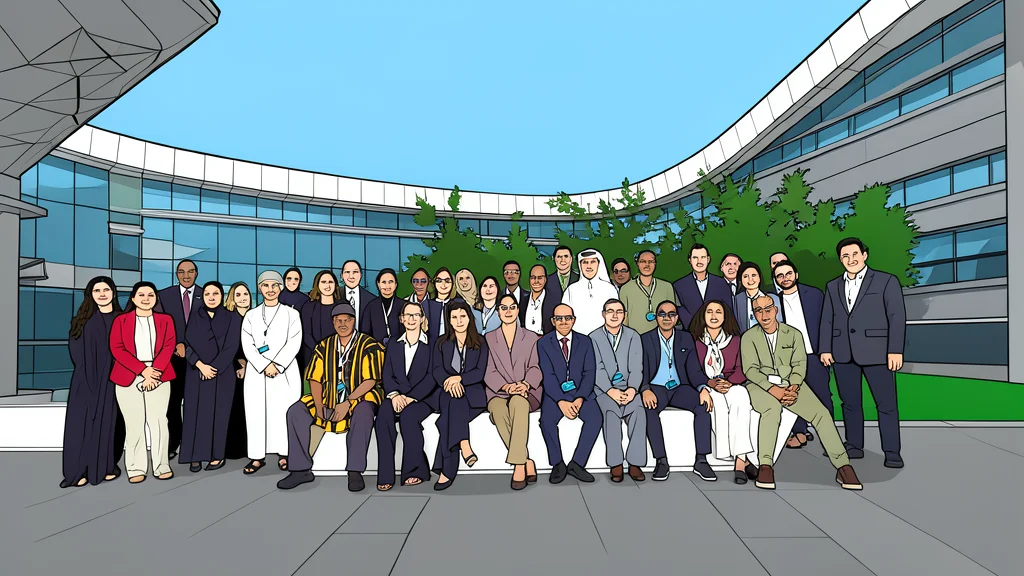
Hamad Bin Khalifa University and the Middle East Council on Global Affairs have concluded a key initiative aimed at integrating health policy into broader diplomatic strategies for emerging economies.
Doha, September 19 (QNA) – Hamad Bin Khalifa University (HBKU), in collaboration with the Middle East Council on Global Affairs, has concluded a four-day executive program focused on global health diplomacy and cooperation. The initiative, which took place in Doha, brought together senior health leaders and policymakers from government entities and health institutions across more than twelve countries in Africa and the Middle East. According to HBKU, the program was a component of the "Doha Health Initiative for the Global South," a joint effort launched with the Gates Foundation to enhance the diplomatic and policymaking capabilities of health leaders in developing regions.
The university stated that the program reflects its commitment to developing the specific capacities needed to address complex challenges at the intersection of health, policy, and international affairs. By leveraging academic expertise and the resources of Qatar’s health and education sectors, HBKU aims to strengthen the links between different disciplines, executive education, and policy development. The goal is to support regional capabilities in global health governance and ensure that these nations have greater engagement and representation in multilateral policy processes.
Bridging Academic Expertise and Policy
Mohamed Abuelgasim, Executive Director of the Executive Education Center at HBKU, emphasized that global health diplomacy highlights the increasingly important connection between health, policy, and international affairs. He expressed satisfaction with the participation of senior officials from across the region, noting that their contributions enriched the program with valuable insights and practical experience. Abuelgasim highlighted that as a national research university, HBKU plays a significant role in bringing its expertise to these intersecting areas and developing the capabilities professionals need to address complex, multi-faceted challenges.
He further noted that executive education programs and partnerships with stakeholders contribute to turning academic excellence into practical learning that serves Qatar’s priorities. These efforts are designed to strengthen professional capabilities and support sustainable development and prosperity. The program serves as a practical example of how academic institutions can facilitate the transfer of knowledge and skills necessary for effective governance in the global health sector.
Navigating Geopolitical Health Challenges
Dr. Khalid Al Jaber, Executive Director of the Middle East Council on Global Affairs, affirmed that the region is going through a pivotal period affected by multiple global challenges. According to the Council, these challenges include conflict, geopolitical competition, economic uncertainty, and pressures facing multilateral institutions, which may hinder sustainable development efforts and make international cooperation more difficult. Dr. Al Jaber noted that this period requires doubling efforts, particularly in vital sectors directly connected to communities, foremost among them healthcare systems.
He explained that experience has shown that pandemics and shared health challenges transcend geographical borders and that addressing them requires effective international cooperation. Challenges related to antimicrobial resistance, strengthening healthcare and its financing, and preparedness for health crises cannot be addressed by any country acting alone. Dr. Al Jaber stressed the importance of the role played by the Council, in collaboration with its local and international partners, in developing health policies that have become an essential element of foreign policy.
Health Policy as Foreign Policy
The Council views health policy as an essential element of foreign policy due to its close connection to strengthening international security and stability. This perspective underscores the need for sustained financing, supporting innovation, and expanding prospects for global cooperation. By framing health issues within the context of international security, the initiative seeks to elevate the status of health diplomacy in strategic decision-making processes.
As the program concludes, attention turns to how these newly enhanced capabilities will translate into tangible outcomes in multilateral forums. Observers will watch whether the participating nations from the Global South can leverage their improved diplomatic skills to influence global health governance structures. The success of this initiative may serve as a model for other regions seeking to integrate health considerations into their broader foreign policy agendas.