US Asserts Control of Strait of Hormuz Amid Blockade
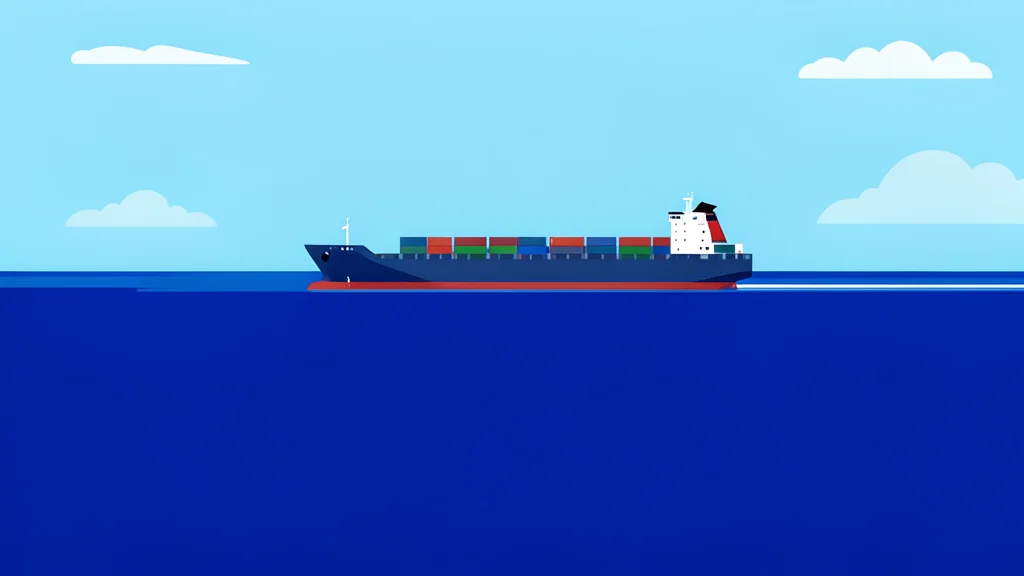
US military officials claim the critical waterway remains open for global energy flows while enforcing a strict blockade on Iranian trade.
The United States military maintains that the Strait of Hormuz remains fully accessible for international commercial traffic, despite an ongoing and heavily enforced blockade on Iranian maritime activity. According to US Central Command, American forces have successfully facilitated the movement of hundreds of millions of barrels of oil through the strategic waterway since early May. This assessment stands in direct contrast to Iranian claims of control over the passage, creating a significant point of contention in the broader regional dispute.
US Navy Captain Tim Hawkins, serving as the spokesperson for CENTCOM, stated that traffic through the strait continues to flow uninterrupted. He explicitly rejected the notion that Iran holds dominion over the waterway, asserting that US naval presence ensures the safety and continuity of global energy supplies. The military describes its role as dual-purpose: protecting the flow of lawful commerce while simultaneously intercepting vessels attempting to breach the established economic restrictions on Tehran.
Dual Missions in the Gulf
CENTCOM officials report that US forces have redirected more than 100 ships that were identified as attempting to violate the blockade. These interceptions are being conducted alongside operations to clear mines from internationally recognized shipping lanes, a task completed several weeks ago. Hawkins emphasized that the US remains vigilant in monitoring these lanes to ensure they stay clear of hazards, which he credits as the primary reason commercial vessels continue their regular transit schedules.
The assertions were made during an interview with Al Jazeera English, where the spokesperson detailed the scale of the operations. Since early May, US assistance has enabled the transport of over 900 million barrels of crude oil to global markets. This logistical achievement is presented as evidence that the blockade is highly effective without impeding the broader global energy supply chain that relies on the strait.
Disputes Over Civilian Casualties
Tensions have been further exacerbated by recent allegations regarding US military strikes in southern Iran. Local authorities in Hormozgan province reported that a wedding ceremony in the city of Kuhestak was struck, resulting in fatalities and injuries. In response, Captain Hawkins defended the US military’s conduct, stating that operations strictly adhere to the laws of armed conflict.
The CENTCOM spokesperson insisted that all targets were legitimate military sites, including facilities associated with the Islamic Revolutionary Guard Corps. He firmly denied that civilians were ever targeted during these operations. This defense comes amid broader scrutiny of the impact US military actions have had on civilian infrastructure and populations in the region.
Assessing Military Effectiveness and Costs
Regarding the operational status of US forces, Hawkins stated that damage sustained by American facilities from Iranian attacks has not compromised their effectiveness. He claimed that US operations have significantly degraded Iran’s missile capabilities and effectively eliminated its naval threat in the region. This narrative seeks to reassure allies and markets that the US retains a decisive military advantage in the Gulf.
The forward-looking situation remains precarious as both nations continue to issue competing claims about control and sovereignty in the strait. Observers will likely watch for further incidents involving commercial shipping or additional military engagements that could test the stability of the current standoff. The balance between maintaining global energy flow and enforcing strict economic pressure on Tehran remains the central dynamic in this evolving geopolitical crisis.