US President Claims Direct Talks with Iran Amid Energy Crisis

Washington claims high-level contact with Tehran as oil prices surge and the conflict expands into Yemen, though Iranian officials have not confirmed the resumption of direct negotiations.
President Donald Trump has stated that the United States is "hopefully toward the end" of its conflict with Iran, asserting that he has engaged in direct communication with officials in Tehran. This claim suggests a potential shift toward renewed diplomacy, a development that comes at a critical moment when global energy markets are under severe strain. The statement was made while fighting has escalated in Yemen, further complicating the regional security landscape and threatening key supply routes.
Despite the president's assertions, there is currently no official confirmation from Tehran that direct negotiations have actually resumed. Senior Iranian leadership has publicly rejected talks unless specific preconditions are met, maintaining that the United States must honor the terms of the agreement signed in June. This divergence in messaging highlights the uncertainty surrounding the diplomatic trajectory, even as economic pressures mount on both sides.
Economic Pressure From Strait Blockade
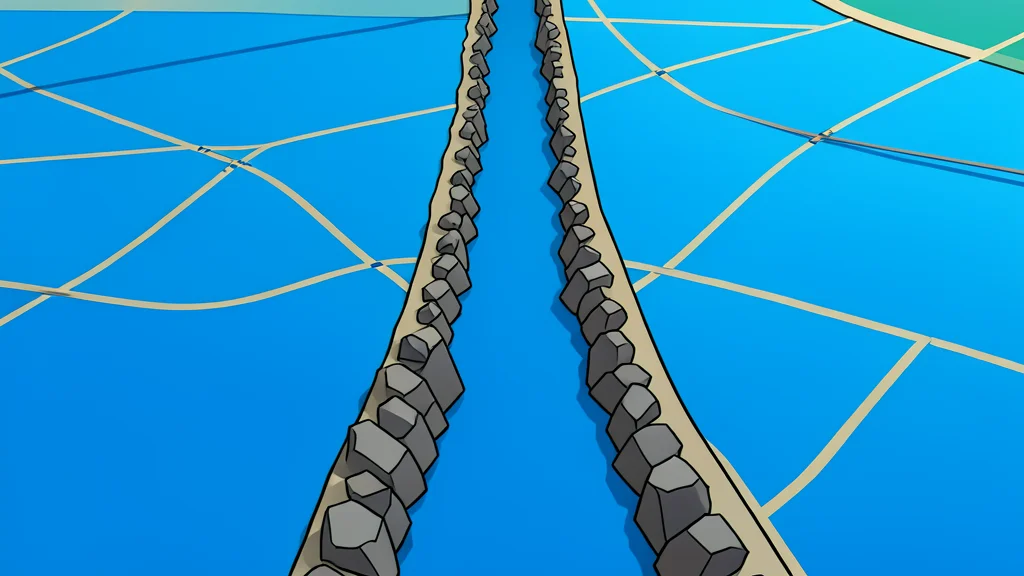
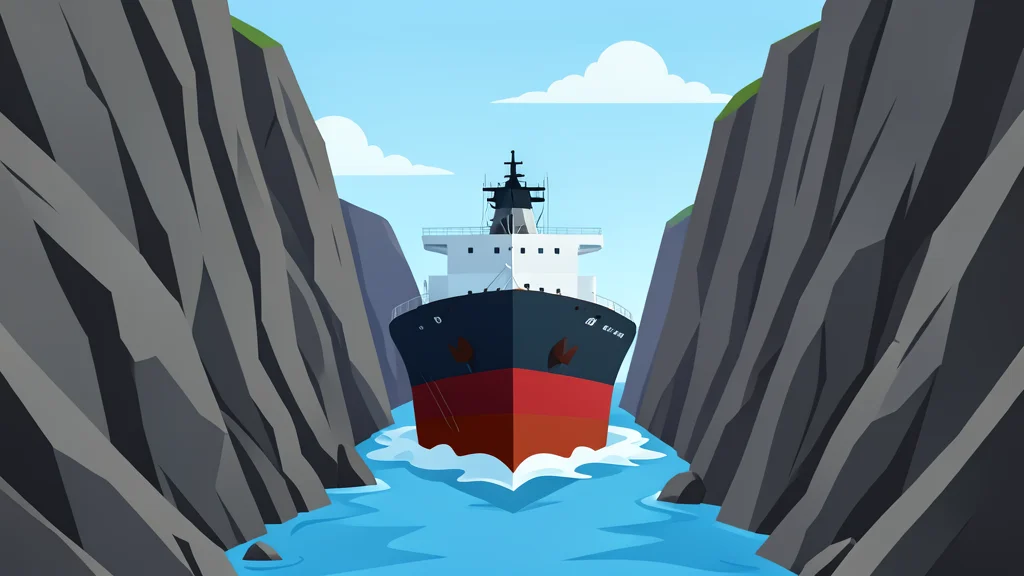
The diplomatic standoff is occurring against a backdrop of rising global energy costs. According to reports cited in the GN auto geopolitics/middle-east: Yemen conflict coverage, oil prices recently crossed the $100-per-barrel threshold and continue to climb. This surge is driven largely by the Iran-imposed blockade of the Strait of Hormuz, a critical waterway through which approximately one-fifth of global oil and gas flows. The disruption has exacerbated inflationary pressures worldwide, adding urgency to the calls for de-escalation.
The situation has worsened with renewed hostilities in Yemen, where Iran-linked Houthi forces have targeted Saudi oil installations. These attacks have further destabilized the energy sector and increased the risk of a broader regional conflict. The combination of the strait blockade and the Yemeni offensive has created a perfect storm for global markets, making the prospect of a diplomatic resolution increasingly vital for economic stability.
Divergent Narratives On Negotiation Status
The credibility of the US president's claim of direct talks is contested by Iranian diplomatic figures. Mohsen Rezaei, secretary of Iran’s Supreme National Security Council, accused Washington of sending mixed signals and reiterated that no talks would occur until Iran’s conditions were satisfied. Former Iranian diplomat Abbas Khameyar dismissed the notion of new direct efforts, stating that the situation has not unfolded as described by the White House. He argued that Tehran's diplomatic activity remains focused on enforcing the existing Memorandum of Understanding rather than opening new channels of negotiation.
Historically, communications between Washington and Tehran have relied heavily on intermediaries such as Qatar, Pakistan, and Oman. Trump’s assertion of direct contact marks a notable departure from this established pattern, though it is not the first time he has made such a claim. Analysts suggest that while the US narrative emphasizes Iranian eagerness to deal, Tehran continues to frame its actions as necessary measures to protect its sovereign interests and enforce previous agreements.
Mediation Efforts Through Third Parties
Behind the scenes, mediation efforts continue through third-party states. Iranian Foreign Minister Abbas Araghchi recently held a telephone call with Pakistani Field Marshal Asim Munir, who has been leading high-stakes diplomatic efforts between the two nations. This conversation took place while Araghchi was in Beijing, where he also met with Chinese Foreign Minister Wang Yi. The Chinese official urged both sides to exercise restraint and reopen the Strait of Hormuz at an early date, highlighting the international interest in stabilizing the region.
Araghchi stated that Tehran seeks the restoration of calm and peaceful relations with its neighbors, indicating a willingness to engage in dialogue under the right circumstances. The involvement of China and Pakistan underscores the multilateral nature of the current diplomatic efforts. As the situation evolves, the focus remains on whether these indirect channels can bridge the gap between the US and Iran, potentially preventing a further escalation that would have severe consequences for the global economy.