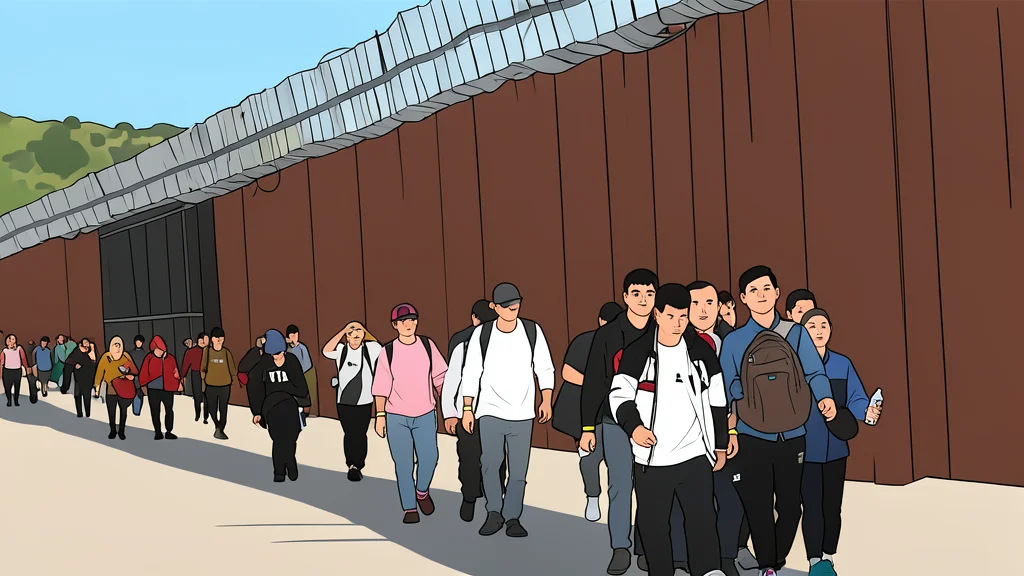
Haiti Struggles to Absorb Wave of U.S. Deportees
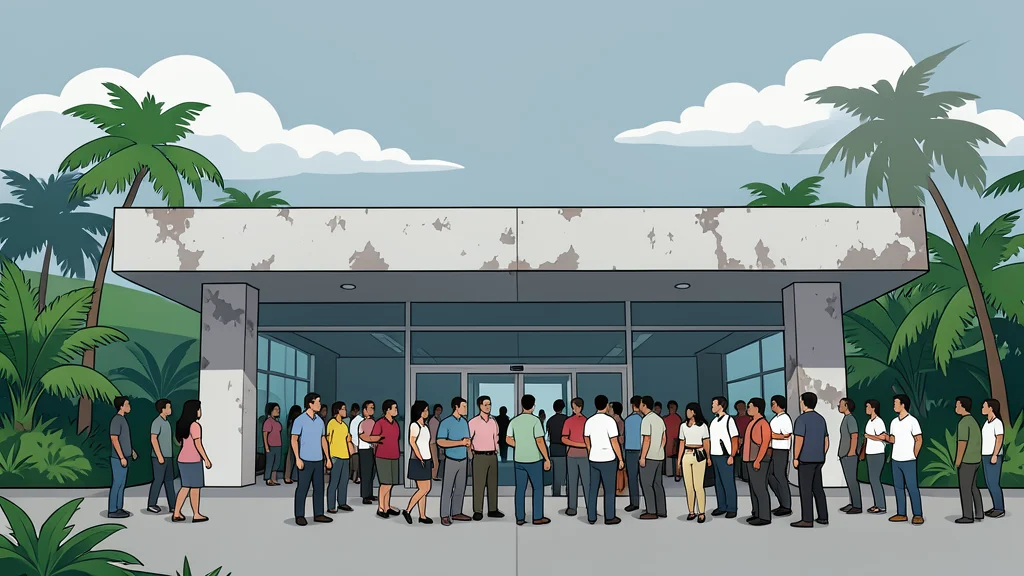
Over 400 Haitians returned via U.S. flights since mid-August, arriving with minimal assistance amid ongoing security challenges in the country.
Haiti is experiencing a significant humanitarian strain as more than 400 citizens have returned from the United States on deportation flights since mid-August. According to reports from local civil society organizations, many of these individuals arrived without their personal belongings, adequate support, or a clear path to safe transportation to their final destinations.
This influx follows a recent Supreme Court decision that ended Temporary Protected Status for Haitians, a move that places over 330,000 people at risk of removal. The termination of this status marks a major shift in U.S. immigration policy and has resulted in what is described as the largest expiration of this benefit under current administrative frameworks.
Conditions for Returning Migrants
Katia Bonté, coordinator of the Support Group for Returnees and Refugees, stated that migrants are often detained in public spaces or workplaces before being expelled. Authorities reportedly confiscate mobile phones and other personal items prior to deportation. Many returnees, some of whom lived in the U.S. for more than a decade, arrive with only the clothing provided by immigration authorities.
The Haitian government provides a stipend of $80 to deportees upon arrival, but aid groups argue this amount is insufficient to cover safe travel costs, particularly for those needing to reach southern regions. Organizations have called for an emergency fund to address transportation needs and for diplomatic talks to establish dignified procedures for receiving returnees.
Security and Economic Context
These deportations occur against a backdrop of severe security instability in Haiti. Paramilitary groups have maintained control over large parts of Port-au-Prince and major roads, restricting movement and contributing to forced displacement. The recent closure of several humanitarian visa programs has further complicated the migration landscape for citizens of Haiti, Cuba, Nicaragua, and Venezuela.
Critics have raised concerns about the economic impact of these measures. An analysis by FWD.us estimates that Haitians with Temporary Protected Status contributed approximately $5.9 billion annually to the U.S. economy and paid $1.5 billion in taxes. The community supported key sectors such as agriculture, commerce, and care services, highlighting the broader economic implications of these policy changes.
Calls for Diplomatic Resolution
Haitian civil society groups, including Women Haitians for Haitian Refugees, have criticized the treatment of migrants during deportation processes. They describe current immigration measures as reflecting institutional biases within U.S. political leadership. The criticism has intensified following the publication of social media content showing migrants in restrictive conditions.
According to GN geopolitics/migration (en-US), the situation requires urgent attention from both governments. The forward-looking question remains how Haiti can effectively manage this influx while addressing the underlying security and economic challenges that complicate the reintegration of returning citizens.