US-Saudi Nuclear Pact Sparks Proliferation Debate
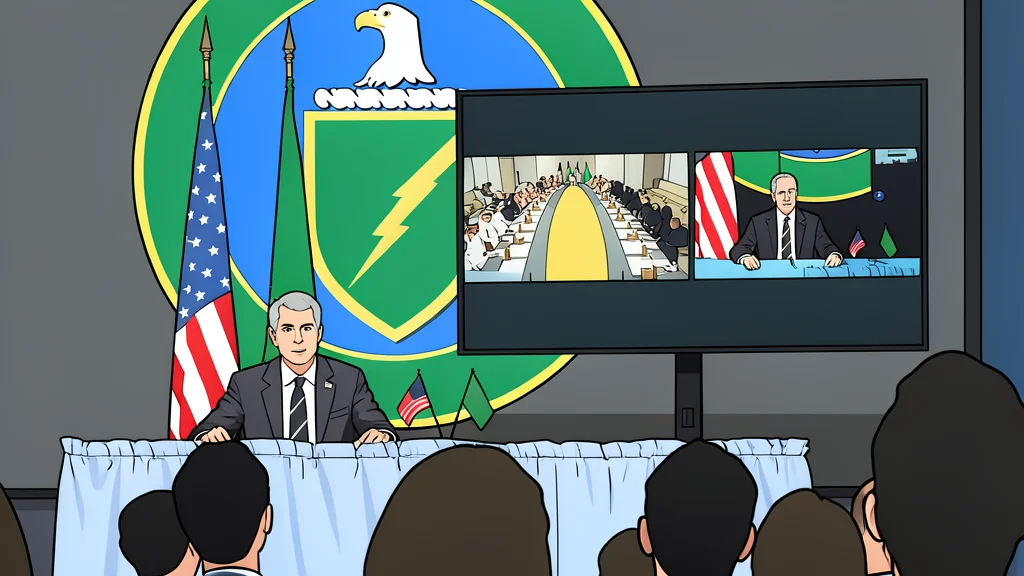
A 30-year agreement signed in July 2026 allows Saudi Arabia to enrich uranium domestically, a significant shift from previous US standards that has raised concerns about regional stability and potential arms races in the Middle East.
The United States and Saudi Arabia have finalized a thirty-year civil nuclear cooperation agreement, known as a Section 123 deal, which permits the Kingdom to conduct uranium enrichment on its own soil under U.S. monitoring. According to the analysis provided by GN geopolitics/nuclear, this pact represents a notable departure from the "gold standard" previously applied in the region, which required partner nations to forgo domestic enrichment capabilities. The agreement, signed on July 22, 2026, aims to support Saudi Arabia’s economic diversification by establishing a non-fossil-fuel energy mix, while simultaneously granting American firms access to a multibillion-dollar market for nuclear infrastructure.
While the deal strengthens bilateral ties and secures U.S. competitiveness against rival suppliers like China and Russia, it has drawn criticism from proliferation experts. Critics argue that allowing enrichment up to the civilian cap of 20 percent, without the signing of the IAEA Additional Protocol, creates a security gap that could be exploited. This concern is heightened by Saudi Arabia’s long-standing position that it would seek nuclear weapons if Iran did so, a stance reiterated by Crown Prince Mohammed bin Salman in 2023. The agreement thus sits at the intersection of economic ambition and strategic risk, with Congress currently having a ninety-day window to review or object to the terms.
Divergence From Regional Standards
The new Saudi accord contrasts sharply with the 2009 agreement with the United Arab Emirates, which explicitly barred domestic enrichment and reprocessing. By permitting enrichment on Saudi soil, Washington is shifting its non-proliferation framework in the Gulf. According to the source material, this move is driven partly by the desire to outbid Chinese and Russian nuclear exporters for the Saudi market. The bilateral safeguards agreement accompanying the 123 deal is designed to lock in U.S. technological dominance, yet it leaves open the question of how strictly enrichment activities will be monitored given that Riyadh has not yet accepted the broader transparency measures demanded by the IAEA’s Additional Protocol.
Political dynamics further complicate the picture. Although the treaty text does not explicitly link the deal to the Abraham Accords or Israel, President Donald Trump suggested as much in a statement issued the day after signing. Such ambiguities add a layer of political volatility to an already sensitive technical arrangement. The divergence from the UAE model suggests a more flexible U.S. approach to nuclear exports, potentially setting a precedent that other regional actors, including Turkey and Egypt, may seek to emulate in their own negotiations with nuclear suppliers.
Regional Security Implications
The proliferation risk extends beyond bilateral relations to the broader Middle East security architecture. Analysts note that Saudi Arabia’s defense pact with Pakistan and its growing strategic autonomy from Washington raise questions about the reliability of U.S. safeguards. If Saudi Arabia is permitted to retain enrichment capabilities, other non-nuclear-weapon states in the region may demand similar rights, potentially triggering a cascading effect on nuclear policies across the Gulf and beyond. This dynamic is particularly acute given the ongoing tensions with Iran, whose own nuclear program has faced international scrutiny and sanctions in recent years.
The economic incentives are substantial for both parties. For Saudi Arabia, nuclear energy is a cornerstone of its Vision 2030 strategy to reduce reliance on oil exports and lower domestic energy costs. For the United States, the agreement secures long-term contracts for reactor construction, fuel supply, and maintenance services. However, the strategic cost of normalizing domestic enrichment in a volatile region remains a subject of intense debate among policymakers. The balance between commercial opportunity and non-proliferation integrity will likely define the next phase of U.S. engagement in the Middle East.
Monitoring And Future Oversight
The effectiveness of the agreement hinges on the implementation of robust monitoring mechanisms. While the U.S. has committed to overseeing Saudi enrichment activities, the absence of the Additional Protocol limits the IAEA’s ability to conduct unannounced inspections and verify the absence of undeclared material. This gap could be exploited if political relations deteriorate, as seen in previous instances where bilateral tensions affected nuclear cooperation. The next few months will be critical as Congress reviews the deal and as technical teams begin the process of integrating U.S. monitoring systems into Saudi nuclear facilities.
Looking ahead, the focus will shift to how other regional powers respond to this new precedent. If Turkey, Egypt, or the UAE seek similar enrichment rights, the U.S. will face a difficult choice between maintaining its "gold standard" or adapting to a new reality of regional nuclear capability. The outcome of this debate will have far-reaching implications for global non-proliferation norms and the stability of the Middle East. As the agreement enters its first year of implementation, observers will closely watch for any signs of tension between commercial interests and security concerns.