US Warns of Global Shutdown for Iranian Airlines
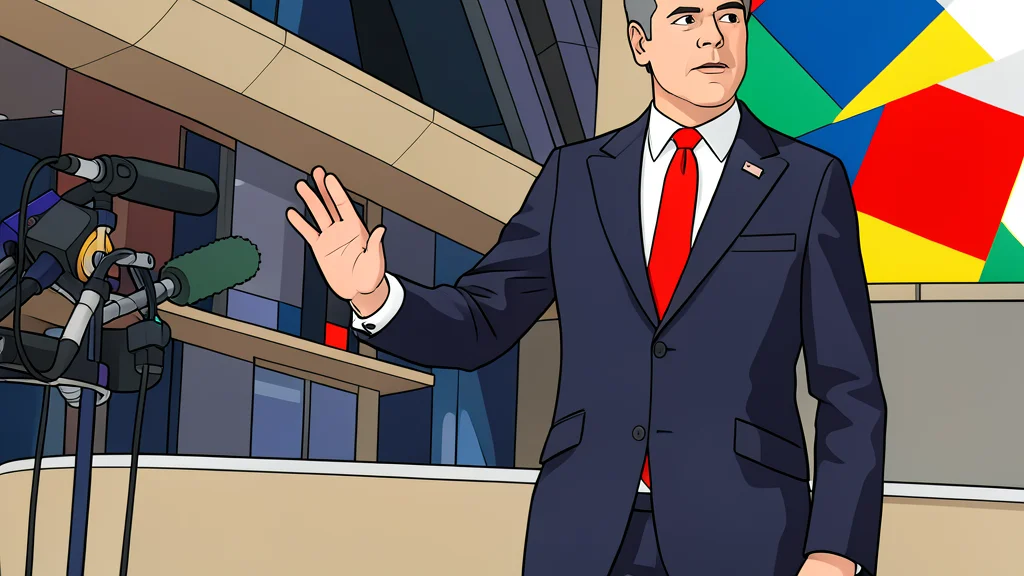
Washington threatens to cut off foreign service providers from the dollar system if they continue supporting Iranian carriers.
Key points
- US Treasury Secretary Scott Bessent stated that Iranian airlines will be shut down globally starting September 23.
- Foreign airports and suppliers face secondary sanctions if they continue to service Iranian carriers.
- The move follows recent sanctions on Iranian aviation and comes ahead of US-China diplomatic talks.
The United States has issued a stark warning that Iranian airlines could face a total suspension of international operations starting this week. According to US Treasury Secretary Scott Bessent, the move is designed to force a complete halt to the carriers' global network by threatening the infrastructure that allows them to fly.
The statement marks a significant escalation in the economic pressure campaign against Tehran. By targeting the logistical support network rather than just the aircraft themselves, Washington is attempting to isolate Iran’s aviation sector from the broader international financial system.
Secondary Sanctions Target Service Providers
According to Al Jazeera English, the threat extends well beyond the Iranian carriers themselves. Bessent stated that any airport, fuel supplier, or ticketing company that continues to service Iranian flights risks being cut off from the US dollar system. This approach relies on secondary sanctions, which penalize foreign entities for facilitating business with a sanctioned party.
The Treasury Secretary emphasized that the choice is binary for these third-party businesses: either stop providing essential services like refueling and landing permits, or face exclusion from the global financial network. This strategy aims to make the cost of doing business with Iranian airlines prohibitively high for international partners.
Escalating Pressure Amidst Ongoing Conflict
This announcement follows a series of aggressive measures taken by the Trump administration to tighten the noose around Iran’s economy. Earlier this month, the US imposed sanctions on the remaining Iranian airlines and foreign companies accused of supporting the country’s aviation sector. The cumulative effect of these actions is to restrict access to spare parts, maintenance, and new aircraft.
The aviation industry has already suffered under years of restrictive policies, which have limited the ability of Iranian carriers to modernize their fleets. The latest threats are part of a broader strategy to isolate Tehran from the global market, affecting sectors ranging from energy to digital assets.
Diplomatic Engagement with Beijing
The timing of the threat coincides with high-level diplomatic discussions between Washington and Beijing. Bessent held talks with Chinese Vice Premier He Lifeng shortly before the warning was issued. Given that China is one of Iran’s most significant economic partners, its stance could be pivotal in determining the effectiveness of the US sanctions regime.
The Treasury Secretary described the conversations with Chinese financial authorities as positive, noting that officials were "very engaged" in the pressure campaign. With the US and Iran currently in a state of conflict, the extent to which Beijing complies with these financial restrictions will be a key factor in the coming weeks.