Vance Claims US Strikes Prevented Iranian Nuclear Weapon

US Vice President asserts that recent military actions have eliminated Iran's immediate capability to develop nuclear weapons.
Key points
- Vance stated Iran cannot build a nuclear weapon within the next year despite potential attempts.
- US forces destroyed three Iranian nuclear facilities to prevent program reconstruction over a decade.
- The administration blames Iran's threats to shipping for rising global fuel prices.
US Vice President J.D. Vance stated that Iran lacks the capacity to construct a nuclear weapon in the near term, a claim made during an interview with Newsmax. According to Vance, the administration is focused on dismantling the infrastructure necessary for Tehran to restart its nuclear program, rather than merely reacting to immediate threats.
The Vice President described recent US military operations as a “stunning tactical strike” that destroyed three key Iranian nuclear facilities. He emphasized that Washington’s strategy extends beyond single-site destruction, aiming to prevent any potential rebuild of the program over a period of two to ten years, thereby addressing long-term proliferation risks.
Strategic Focus on Long-Term Denial
According to Vance, the destruction of physical sites is insufficient if the underlying knowledge and resources remain intact. The US approach, as reported by jordannews.jo, prioritizes the removal of essential resources and infrastructure. This strategy seeks to create a durable barrier against nuclear development, ensuring that even if political will exists in Tehran, the practical means to execute a weapons program are absent for the foreseeable future.
The administration argues that this multi-year horizon of denial is critical for regional stability. By targeting the foundational elements of the nuclear program, Washington aims to reduce the urgency of immediate military responses. This perspective suggests that the geopolitical goal is not just temporary disruption, but the structural incapacitation of Iran's nuclear ambitions.
Economic Impact of Maritime Threats
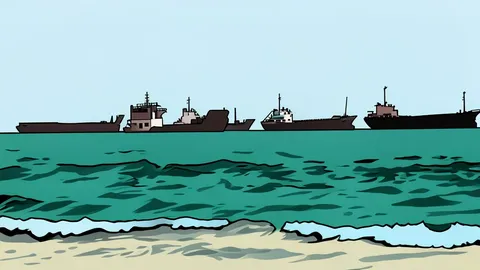
Vance linked the nuclear dispute to broader economic consequences, specifically citing Iran's actions against international commercial shipping. He attributed recent increases in global fuel prices to threats and attacks on commercial vessels in key maritime corridors. The Vice President stated that the US is actively working to secure the flow of oil and gas, viewing maritime security as a direct counter to Iran's coercive tactics.
The connection between nuclear policy and economic stability highlights the interconnected nature of current geopolitical tensions. By framing Iran's maritime activities as a response to the loss of its nuclear program, Vance presented a narrative of escalating retaliation. This context suggests that the US views the protection of global trade routes as a necessary component of its broader strategy to contain Iranian influence.
Monitoring Future Regional Developments
The situation remains fluid, with observers watching for further reactions from Tehran regarding both nuclear capabilities and maritime security. The next steps will likely involve international diplomatic responses to the US strikes and Iran's continued posture in the region. Analysts suggest that the effectiveness of the US strategy will depend on its ability to sustain pressure while managing the economic fallout from disrupted shipping lanes.