Yemen Offensive Threatens Global Energy Routes
Recent Houthi advances along the Red Sea coast have intensified concerns that the regional conflict is spilling over into a broader geopolitical crisis, directly impacting critical energy corridors and drawing in multiple major powers.
Yemen’s Houthi movement has launched a significant military push in recent days, rapidly securing key positions along the Red Sea coastline. According to reporting from GN auto geopolitics/middle-east: Yemen conflict, this maneuvering grants the Iran-backed group the potential to influence traffic through one of the world’s most vital waterways. The strategic implications are profound, as control over this area could disrupt Saudi Arabia’s ability to export oil, a capability already strained by Iranian efforts to restrict movement through the Strait of Hormuz.
The situation has been further complicated by drone attacks attributed to Iran-aligned militias in Iraq, which reportedly forced Riyadh to close its east-west oil pipeline to the port of Yanbu. While Saudi authorities claim to have intercepted a Houthi drone near Mecca, a statement the Houthis have denied, these events mark a dangerous escalation. Six months after the US and Israel initiated a confrontation with Iran that was expected to be brief, the conflict now shows signs of becoming intractable, with clear linkages emerging to the ongoing war in Ukraine.
Deepening Ties Between Tehran and Moscow
Iran and Russia have significantly deepened their military cooperation since the start of the Ukraine war. Tehran has supplied Moscow with munitions, artillery shells, and drones, while Russia has reciprocated by providing fighter jets and attack helicopters. In 2025, the two nations signed a Comprehensive Strategic Partnership Treaty intended to solidify their strategic alignment over the next two decades. Both countries are reportedly using the Caspian Sea as a route for transferring military supplies, creating a complex web of logistical dependencies that spans multiple theaters of conflict.
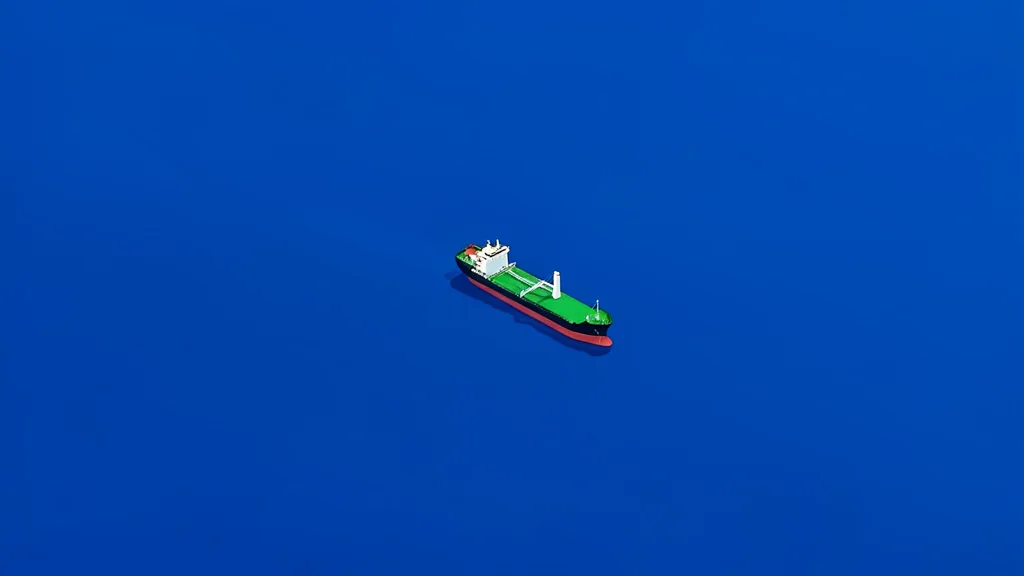
The intersection of these conflicts is becoming increasingly tangible in maritime trade. Shadow fleets of tankers transporting oil to evade sanctions are viewed by Washington and Kyiv as legitimate targets due to their interchangeable operations. The US recently sank five Iranian oil tankers in the Strait of Hormuz, three of which were believed to be carrying oil for Russia. This followed a July incident in which Ukrainian drones attacked an Iranian cargo ship in the Caspian Sea, underscoring the physical risks now facing commercial and military shipping in these regions.
Alliances and Escalation Risks
As the conflict expands, new alliances are forming that could draw additional nations into the fray. Saudi Arabia has recently signed a defense pact with Turkey and Pakistan, following its elevation to the status of a major non-NATO ally by the United States. Whether these ties will compel these partners to engage in direct military confrontation remains uncertain. However, the presence of three major competing world powers in the Ukraine and Iran conflicts raises the stakes significantly, with reports suggesting China is providing intelligence and potentially military hardware to Iran, given its role as a primary buyer of Iranian oil.
Ukrainian officials have explicitly linked the two conflicts, with Foreign Minister Andrii Sybiha describing the Iranian regime as a direct accomplice to Russian aggression. His comments were echoed by Ukraine’s ambassador to Israel, who stated that both nations are fighting against the same axis of influence on different fronts. This rhetoric highlights a growing perception among some states that the global security landscape is fragmenting into opposing blocs, where actions taken in one theater have immediate consequences in another.
The Security Dilemma in Practice
Scholars of international security long warned that the quest for safety by one state can inadvertently create insecurity for others, a concept known as the security dilemma. The current situation mirrors the pre-1914 dynamics where rival states responded to perceived threats with increased military preparations, locking the world into a spiral of escalation. As the US and its allies weigh their responses to Iranian actions, and as Russia and China bolster their support for Tehran, the risk of accidental or intentional miscalculation grows.
The forward question now centers on whether diplomatic channels remain open enough to prevent these separate conflicts from merging into a single, uncontrollable global war. The ability to de-escalate will depend on whether the involved parties can distinguish between direct threats and indirect support, and whether the economic pressures of disrupted oil flows will force a reconsideration of military posturing. Watch for further naval incidents in the Red Sea and Strait of Hormuz, as well as any formal responses from the newly aligned defense partners in the Middle East and Asia.