10-Year Yield Tops 5% as Fed Hike Expected
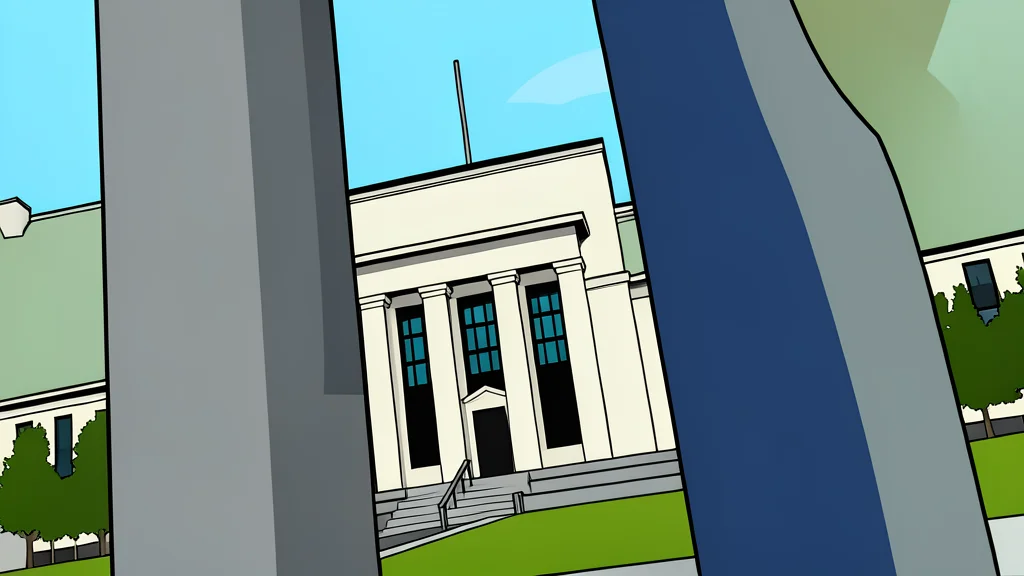
The 10-year Treasury note crossed 5%, a level unseen since 2007, while the Federal Reserve is set to raise rates.
The 10-year U.S. Treasury yield rose above 5 percent. This is the highest level recorded since 2007. The move pushes borrowing costs higher for the government and private sectors. It creates pressure on the Federal Reserve to act. The Fed is expected to raise its policy rate on Wednesday. The new range will be 3.75 percent to 4.00 percent.
Treasury Secretary Scott Bessent expanded a debt buyback operation last week. He aims to lower yields that he believes are misaligned with the economic outlook. Bessent dismissed the recent spike as a result of global issues. Analysts doubt the Fed will intervene directly. They see the central bank resisting calls to bail out the market. This holds true unless financial distress becomes severe.
Fed Rate Decision Prioritized
The Federal Reserve is focused on inflation control. Recent data readings remain too high. A quarter-point hike is the consensus among policymakers. This action is designed to bolster the bank's credibility. Stronger credibility should help lower long-dated yields over time. Investors believe this approach is more effective than direct intervention.
A Deutsche Bank poll found that a rate hike lifts short-term yields slightly. However, it prevents long-term yields from rising further. Leaving rates steady would likely result in higher long-term costs. This dynamic supports the decision to hike. It aligns with the Fed's mandate to manage financial conditions.
Intervention Risks Credibility
Economists argue that direct bond buying is unlikely. Fed Chairman Kevin Warsh values institutional credibility. He is unlikely to let the Fed absorb Treasury risks. Such a move would resemble financial repression. It would compromise the independence of monetary policy. The stakes for the Fed are higher than for the Treasury.
Mark Sobel noted that the administration could push for quantitative easing. This would seek cheap budget funding. However, Warsh is expected to push back. The Fed can create money to buy unlimited bonds. This power is a last resort. It is not a tool for routine market management.
Market Watchers Monitor Auctions
Upcoming debt auctions are critical indicators. If the Treasury faces significant headwinds, the Fed might be drawn in. This would occur only to calm extreme conditions. Rick Rieder of BlackRock states that financial conditions are an unwritten mandate. Policymakers must consider the cost of debt in their decisions. The market remains on alert for signs of distress.
GN auto markets/bonds: bond trading reports show steady price slides. There is little evidence of a crash yet. Bessent called his buyback efforts a success. The administration continues to monitor the situation. The interplay between fiscal and monetary policy remains a key focus. Investors await the final Fed statement for clarity.