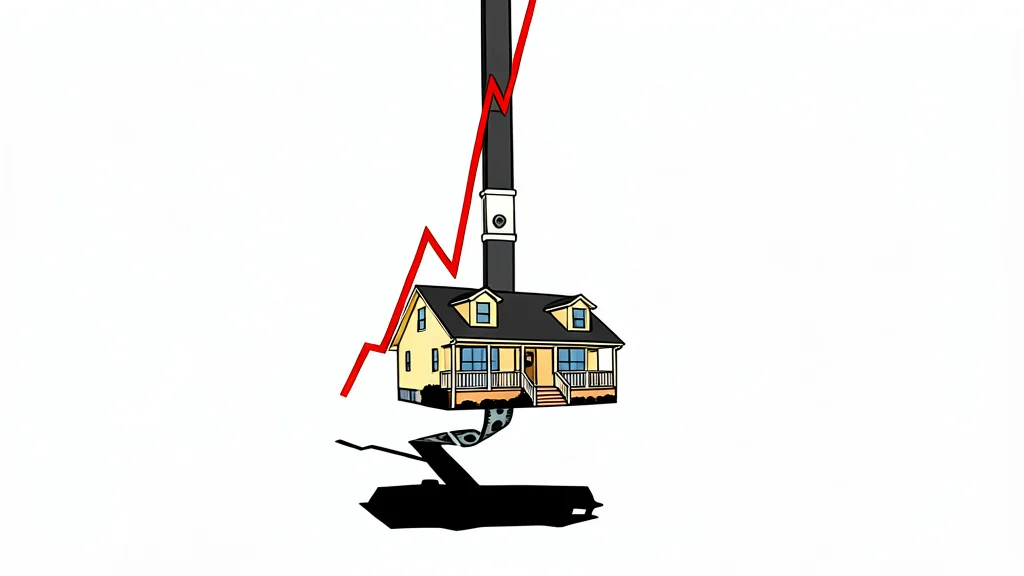
German Bund Yields Ignore Political Crisis

Ten-year Bund yields moved only one basis point despite record AfD gains and a chancellor facing imminent removal.
Ten-year Bund yields moved one basis point on the day the AfD won 43.8% of the vote in Saxony-Anhalt. This marked the highest level for the benchmark since 2011. The DAX index showed negligible reaction to the result. Investors continued to price Germany as the region's political safe haven.
The market ignored the worst state election loss for the CDU in history. Chancellor Friedrich Merz is polling at 13% approval, the lowest recorded in Germany's main tracking poll. Party insiders state Merz must resign or be forced out by September 21. Two more state elections are scheduled for the same day, adding to the political pressure.
Fiscal expansion drives bond demand
Germany’s fiscal policy supports its bond market stability. A March 2025 debt-brake overhaul allows unlimited borrowing for defense spending above 1% of GDP. The country is targeting NATO’s 3.5% defense spending goal. A separate 500 billion euro fund covers infrastructure and climate projects over twelve years.
Military spending for 2026 is set at 108.2 billion euros. This amount exceeds the combined defense budgets of the UK and France. Implementation of these plans is already behind schedule due to planning delays. The market absorbs these fiscal shifts without significant yield spikes. This contrasts with France and Italy, which carry visible sovereign risk premiums during similar political instability.
Political actors signal institutional stability
Market participants bet on the self-correction of German institutions. CSU leader Markus Söder ruled out any move against Merz immediately after the election. The Social Democrats urged the CDU to maintain its nerve. These public declarations of support reinforce the perception of stability. The market views this as a rational bet on institutional resilience rather than complacency.
Succession plans are already in motion within the party. Hendrik Wüst is named the primary candidate to replace Merz. Boris Rhein is listed as a secondary option. Söder is considered unacceptable by CDU insiders as a successor. Alexander Dobrindt is also ruled out. The costless nature of Söder’s public loyalty underscores the internal consensus on leadership change.
Market reaction remains muted
The one-basis-point yield movement is an active market position. It reflects a view that political shocks do not alter the fundamental credit profile of the German state. This stance diverges sharply from reactions in other European sovereign debt markets. The calm is underwriting real money flows into German assets. The assumption that politics will not disrupt markets faces a direct test this Sunday.