Geographic Fragmentation Distorts Crypto Price Signals
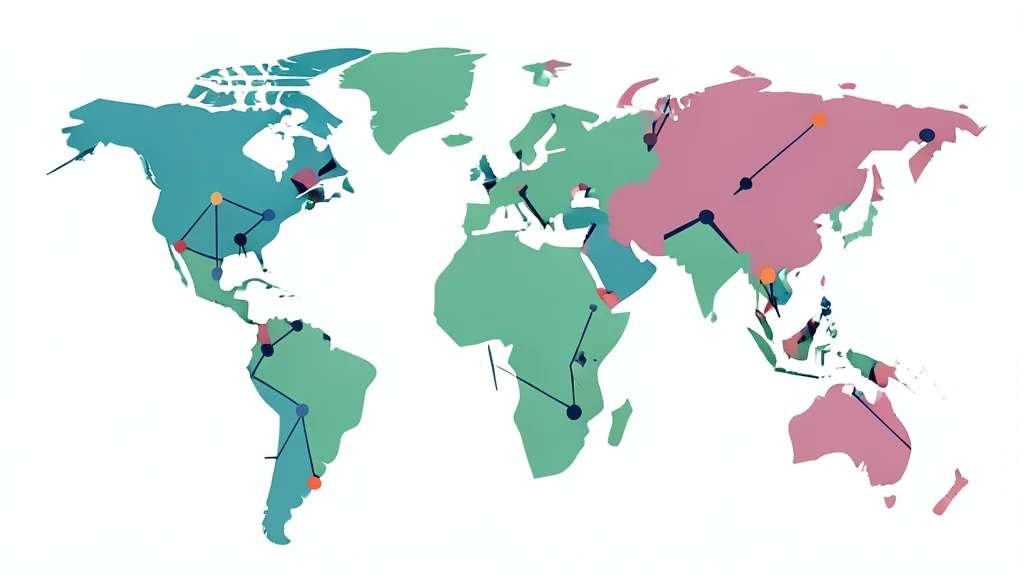
Single global prices mask deep regional divergences in liquidity and availability that standard aggregators obscure.
The single global price for Bitcoin is a statistical convenience that masks a deeply fragmented market. The actual trading environment varies significantly by jurisdiction due to capital controls and regulatory restrictions. These geographic differences create persistent price divergences that standard aggregators average out.
According to GN markets/crypto (en-US), this fragmentation is not noise but a core signal for serious analysis. Regional venues often show premiums or discounts that reflect local liquidity constraints rather than global sentiment. Ignoring these location-specific factors leads to incomplete and potentially misleading market interpretations.
Geographic factors drive price divergence
Capital controls in regions like Korea prevent rapid arbitrage, creating sustained price premiums. These gaps are real market phenomena, not data errors. Global averages silently erase these distinct regional prices, hiding the true cost of capital movement.
Asset availability also varies strictly by customer jurisdiction. Exchanges restrict listings, derivatives, and leverage based on local regulations. An analyst checking accessibility from a single location gets a partial view of the global market.
Data collection faces technical limits
Accurate measurement requires recording venue, timestamp, and order book depth for every quote. Public API rate limits often block comprehensive data collection from multiple exchanges. These technical barriers can create gaps that look like market behavior when they are actually missing data.
Distributing requests across proxy servers helps mitigate rate limiting issues. However, researchers must verify data completeness after every run. Partial collections can distort trends if gaps are mistaken for genuine market activity.
Regulatory boundaries define data access
Collecting public market data is distinct from opening accounts on restricted venues. Operating accounts in jurisdictions that do not serve the user violates exchange terms. Enforcement actions often result in frozen balances and blocked withdrawals.
Regional differences should be measured as market characteristics, not exploited for trading advantages. Knowing that an asset is unavailable in a major market is a significant finding. This regulatory reality shapes the true landscape of crypto liquidity.