Simulated Fly Brain Trades Crypto with Minor Loss
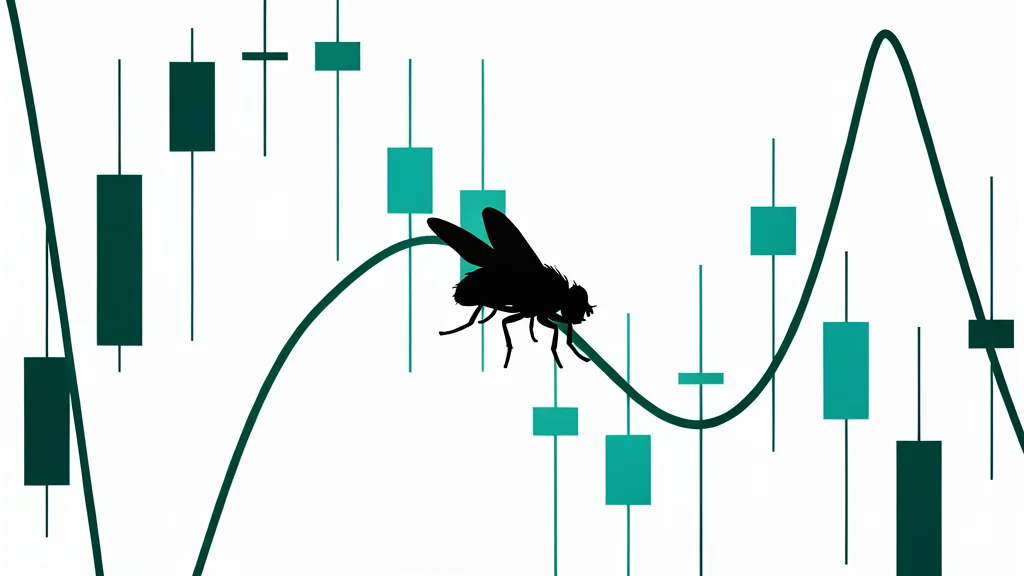
A digital model of a fruit fly brain executed live trades on Coinbase, ending the session with a portfolio loss of approximately one dollar.
Alex Wormuth, a software engineer at Coinbase, connected a simulated insect brain to the exchange's AI agentic software. The system was authorized to buy, sell, or hold Bitcoin, Ethereum, USDC, and Solana based on live market prices. After one day of operation, the algorithm's total return was negative. The digital entity lost nearly one dollar on its initial trading session.
The final portfolio position consists of specific asset allocations. The model holds $59 in USDC stablecoins. It also retains approximately $5 in Bitcoin. The allocation includes $17 in Ethereum and $17 in Solana. These figures represent the current state of the automated portfolio after the initial trading period.
Neural map enables complex simulations
This experiment relies on a detailed connectome released by Google and the Howard Hughes Medical Institute. Scientists at the Janelia Research Campus mapped an adult male fruit fly's brain and ventral nerve cord. The map includes 166,000 neurons and 125 million synaptic connections. It is the largest brain map by neuron count to date. The project took twenty years to complete. The data supports research into complex behaviors and neurological conditions such as Alzheimer's and schizophrenia.
Developers expand fly brain applications
Other developers have integrated the neural data into various software environments. A developer known as Breg Grockman programmed the brain to control a 3D Mini Cooper S. The system can execute three-point turns and activate the horn. Two advertising slots on the virtual car are already sold to crypto traders. Another developer taught the model to solve a Rubik's Cube and play Beat Saber. AI researcher Evan Sinclair Smith uploaded the brain into Minecraft to pilot an in-game fly.
AI developer Nico Christie modified the model's output to test its responses to male and female fly brains. This experiment is described as turning the fly bisexual in a biological signaling sense. The system is not sentient. Smith clarifies that the demos are interactive ways to explore the connectome. They do not represent consciousness or a complete recreation of a living organism. The source for this report is GN markets/crypto (en-US).