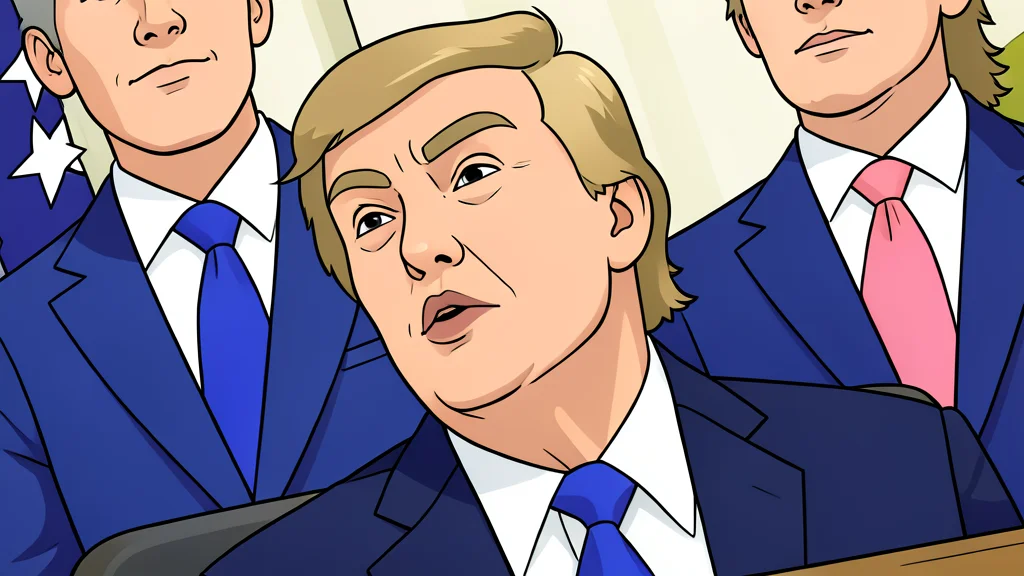
Trump Accepts State Enforcement Role in Crypto Bill

The White House agreed to let state attorneys general enforce new crypto rules, a key concession to secure Democratic support for the legislation moving to a vote this Tuesday.
President Donald Trump accepted a significant portion of a bipartisan ethics proposal attached to the Clarity Act. This move addresses the primary objection from Democratic senators regarding conflicts of interest in the cryptocurrency market. The bill is scheduled for a critical Senate vote on Tuesday.
The legislation was stalled because a core group of Democrats and Senator Thom Tillis demanded stronger safeguards. They argued that previous drafts did not adequately address the president's personal crypto holdings. Their votes are essential to pass the measure in the Senate.
State attorneys gain new enforcement power
Republican Senators Cynthia Lummis, Tim Scott, and John Boozman announced that the White House agreed to their demands. The updated text grants state attorneys general a meaningful role in enforcing the new rules. This addition was the specific language requested by Senator Tillis and Senator Ruben Gallego.
The provision allows state legal teams to sue crypto exchanges for listing banned digital assets. It extends enforcement beyond the federal Justice Department. This creates a dual-layer legal framework for compliance under the new law.
Mandate for divestiture or blind trusts
A senior GOP aide stated that the president accepted approximately 80 percent of the original proposal. The final text requires officials to divest or place significant crypto interests in a blind trust. This requirement applies to any entity that issues digital assets.
The initial draft only barred elected officials and their spouses from issuing digital assets. Democrats argued this was insufficient to prevent conflicts of interest. The new language broadens the scope of prohibited activities and adds financial disclosure requirements.
Negotiations conclude before Tuesday vote
White House crypto adviser Patrick Witt said the administration responded to Democratic policy objectives throughout the process. He noted that more than a year of negotiations led to this bipartisan final version. The updated bill was released on Sunday evening.
White House officials had previously expressed concern about state enforcement powers. They feared Democratic attorneys general could use the law as a political tool. The final agreement balances these concerns with the need for bipartisan support to pass the Clarity Act. According to GN markets/crypto (en-US), this development marks a final step in the legislative process.