BOJ Rate Hike Fails to Strengthen Yen
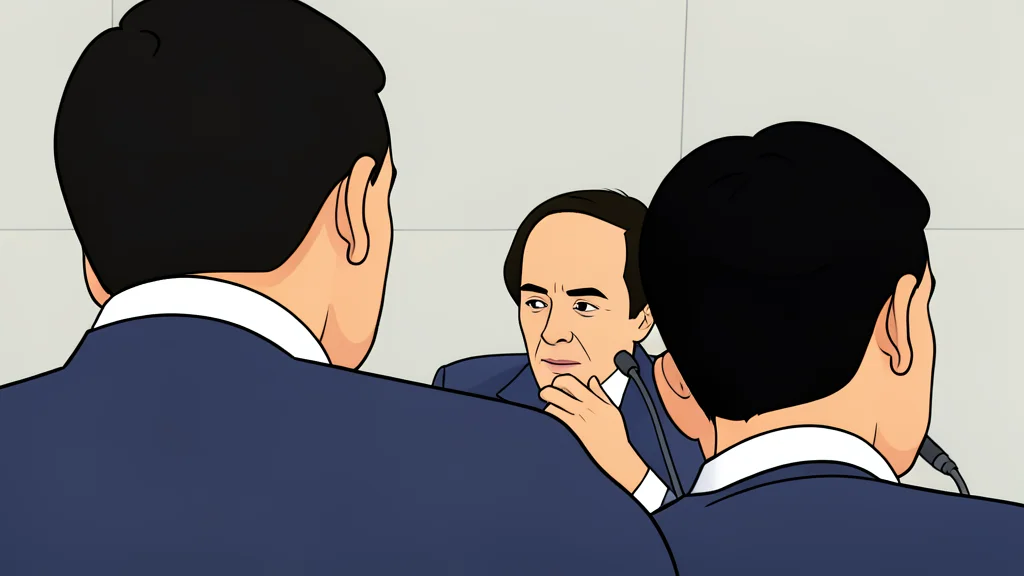
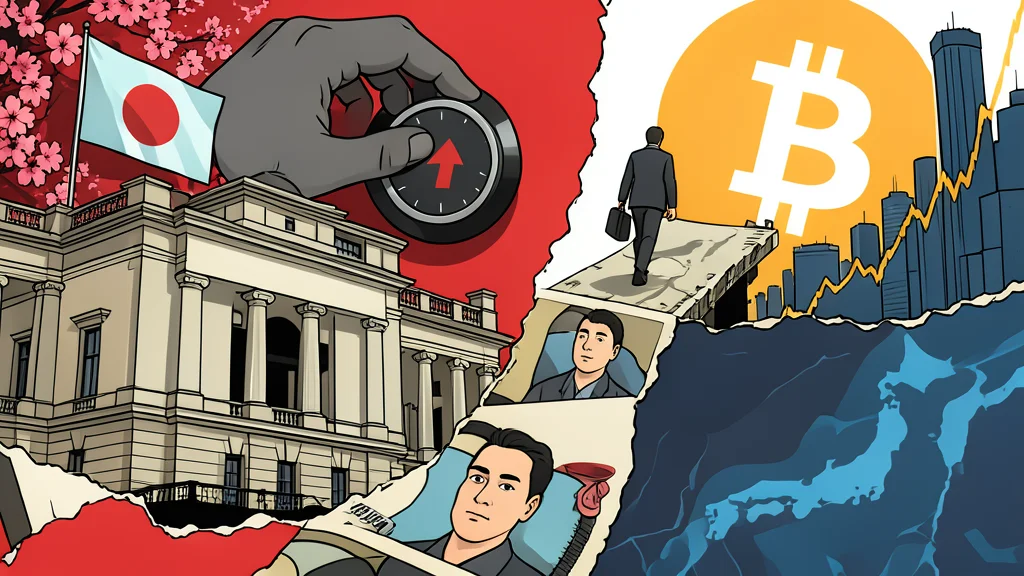
The Bank of Japan lifted rates to a 31-year high, but the yen fell as investors dismissed the hawkish signal.
The Bank of Japan raised its benchmark interest rate to a level not seen in 31 years. The currency response was immediate and negative for the yen. Investors ignored the hike and focused on the lack of explicit future guidance. Two board members dissented against the move. They argued for a slower pace of tightening. The market interpreted this split as a pause in the hiking cycle.
Governor Kazuo Ueda addressed the media in Japanese. Reuters provided the English translation. Ueda stated that the central bank will not rule out large rate hikes. He linked further action to inflation data. If prices overshoot the target, the BOJ will act. He cited the US and Europe as examples of rapid tightening. The goal is to prevent a need for drastic future moves. Ueda emphasized the importance of preemptive action.
Inflation Targets and Wage Pressures
Underlying inflation in Japan is now close to the two percent target. The central bank shifted its focus from raising prices to stabilizing them. Ueda noted that this new phase has just begun. The next quarterly report in October will quantify the impact of recent hikes. Wage data show broadening pressure across sectors. Medium and long-term inflation expectations have risen. Ueda warned that persistent energy costs could push wholesale prices higher. This would eventually affect consumer prices.
External Factors and Policy Channels
Actions by other central banks affect the Japanese economy. Currency movements are a key transmission channel. Rising oil costs drive global inflation pressures. The BOJ aims to counter these external shocks. Ueda stated that the pace of future hikes depends on data. The central bank will monitor financial conditions closely. It will not wait for inflation to fully stabilize before acting. The policy stance remains data-dependent and cautious.
Market Reaction to Dissenting Views
The yen fell despite the rate increase. Traders viewed the two dissenters as a signal of caution. The lack of a clear forward guidance disappointed hawkish investors. The market expected a stronger commitment to further hikes. Ueda’s comments did not provide that clarity. He avoided setting a specific timeline for the next move. The focus remains on the October report. Investors will watch for changes in the board’s outlook. The split vote highlights internal debate over the pace of normalization.