Economist Warns Against Fed Rate Hike Despite Inflation Data

E.J. Antoni argues that monetary tools cannot solve political supply shocks, citing the 1974 oil crisis as a cautionary precedent.
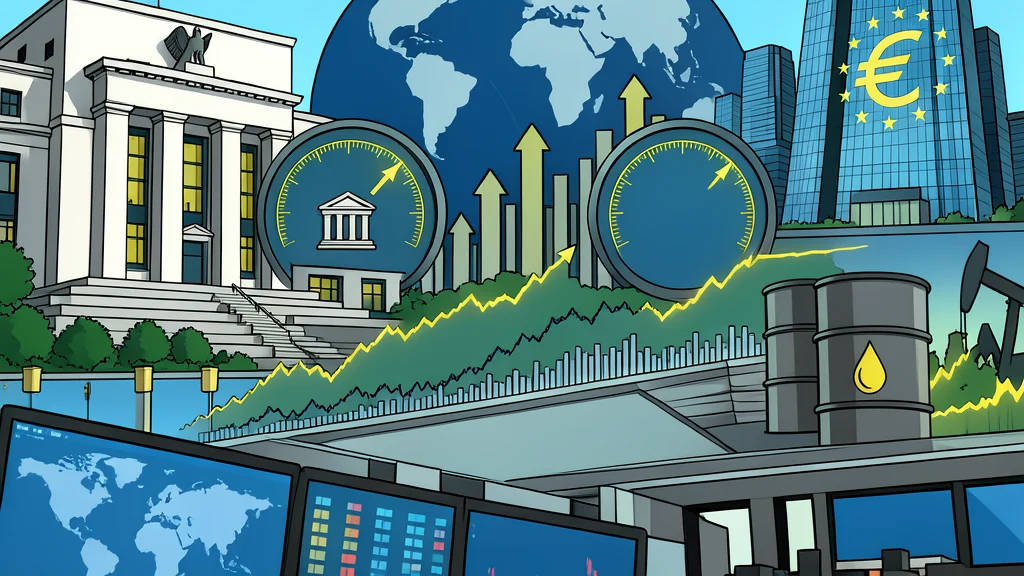
Economist E.J. Antoni predicts the Federal Reserve will not raise interest rates. This stance contradicts the prevailing market consensus. Recent inflation data released Friday showed persistent price pressures. Most analysts expect a rate increase to curb these trends. The Fed’s Open Market Committee has debated this move for months. Controlling inflation remains a core mandate for the central bank. However, Antoni believes the political nature of current economic headwinds precludes a standard monetary response.
Antoni argues that applying monetary tools to non-monetary problems worsens economic conditions. He cites the 1974 oil shock as a primary example. OPEC production cuts at that time created a political supply issue. The Fed responded by tightening credit markets. This action exacerbated the economic downturn. Today’s energy shocks share similar characteristics. Raising rates now could replicate the 1974 negative outcome. Tightening credit while supply costs rise drags down the broader economy. This is the specific risk Antoni highlights in his analysis.
Political origins of current supply shocks
The current energy crisis stems from geopolitical factors. These are not standard economic fluctuations. Antoni insists that monetary policy cannot address political root causes. He warns against treating a structural supply problem as a demand-side issue. This distinction is central to his argument against a rate hike. The Fed’s traditional toolkit assumes economic, not political, drivers. Using interest rates to fight a supply shock is ineffective. It may instead amplify the damage to the financial system.
Historical parallels to the 1974 crisis
In 1974, the Fed raised rates during an oil shock. This decision effectively shut off credit markets. The US economy suffered a prolonged contraction. The tight monetary policy compounded the existing supply issues. Antoni draws a direct line between then and now. Energy products drive up costs for goods and services. Tightening credit on top of this raises overall economic stress. The result is a slower, harder recovery. This historical precedent serves as his main evidence against a hike.
Market expectations versus expert caution
Most economists expect the Fed to act aggressively. They prioritize controlling inflation above all else. President Donald Trump has called for rate decreases. However, many warn that this could accelerate price increases. Antoni stands apart from this mainstream view. He believes a majority of Fed board members will not support a hike. His prediction rests on the structural nature of the current crisis. The market must weigh standard monetary policy against these structural warnings. This divergence creates uncertainty in interest rate forecasts.
The debate centers on the appropriate policy response. Inflation data suggests a need for restraint. Yet the source of that inflation matters. If it is political, monetary tools are mismatched. Antoni’s view challenges the orthodox approach. It suggests the Fed may hold rates steady. This would be a significant departure from recent trends. The outcome depends on how the committee interprets the data. It also depends on their assessment of political versus economic drivers. The coming decision will test these theoretical frameworks.
GN auto markets/bonds: interest rates reports indicate high anticipation for a hike. This expectation is based on standard economic models. Antoni’s argument introduces a structural variable. He emphasizes the limits of monetary policy. The Fed must decide if the current crisis fits the 1974 pattern. If it does, a rate hike is risky. If it does not, inaction is risky. The committee’s final decision will balance these risks. Market participants are watching for signals of this internal debate. The next meeting will clarify the Fed’s path.