Fed Weighs Rate Hike Amid AI Market Turbulence

The Federal Reserve faces a critical decision on interest rates as AI sector volatility and rising inflation create conflicting economic signals.
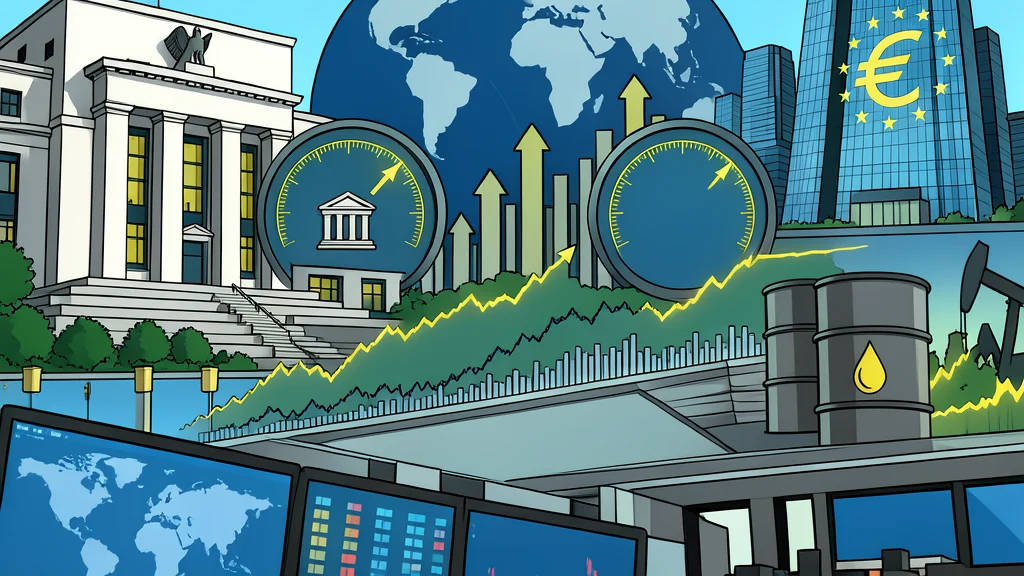
The probability of a Federal Reserve rate hike stands at 85 percent. This figure reflects the market consensus following recent data releases. The central bank is scheduled to meet tomorrow to set monetary policy. The decision will be influenced by rising energy costs and a weakening labor market.
Consumer Price Index inflation rose 0.4 percent over the month. Annual inflation reached 3.4 percent in August. Real earnings fell 0.3 percent on a yearly basis for the fifth consecutive month. These figures indicate persistent price pressures despite economic slowdown.
Inflation Drivers and Market Reactions
Rising oil prices exceed 100 dollars per barrel. Geopolitical tensions in the Middle East contribute to these increases. Tariff policies also add to supply shortages and price hikes. Private markets have bid up interest rates in anticipation of persistent inflation.
The ten-year Treasury bond yield climbed to just under 5 percent. Mortgage rates continue to rise as investors demand an inflation premium. Treasury Secretary Scott Bessent’s attempts to lower rates through selective purchases failed to stabilize the market. These actions spooked investors rather than calming them.
AI Sector Correction Risks
Tech stocks experienced a global decline on Monday. This drop follows heavy cross-investments among major technology firms. Reported profits in the sector rely significantly on these internal gains. A potential correction could trigger a broader stock market decline.
Private sector borrowing by AI companies has pushed interest rates higher. A sharp pullback in AI investment would reduce this borrowing. This reduction would lower interest rates and soften the economy. The Federal Open Market Committee must weigh this risk against inflationary pressures.
Conflicting Economic Signals for Policy
Job creation has remained moderate in recent months. However, real wages continue to decline. The labor market shows signs of weakness despite stable employment figures. The Fed’s previous meeting in July saw a majority vote to keep rates steady at 3.5 to 3.75 percent.
Three of the twelve Fed members voted for a quarter-point increase in July. Prediction markets now favor a hike given the current data. The AI industry faces internal calls for a pause due to safety concerns. Citizen opposition to data center construction adds further pressure on the sector. According to GN markets/inflation (en-US), these factors create a complex environment for monetary policy. The Fed must balance the need to curb inflation with the risk of an AI-driven economic slowdown.