Fed Chicago Chief Warns Inflation Fight Will Hurt Jobs
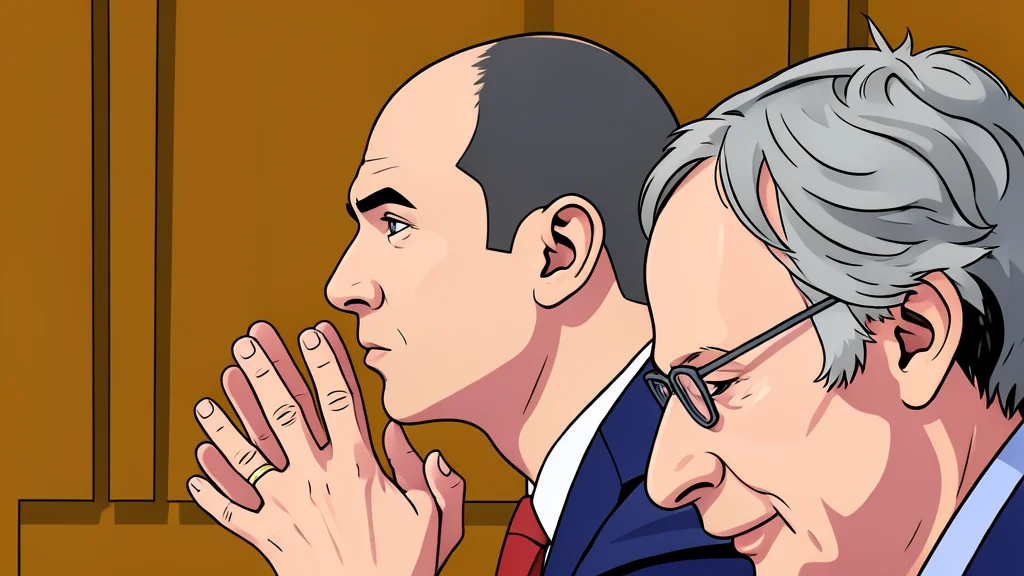
Austan Goolsbee states that raising rates to curb inflation will likely cause higher unemployment, contradicting the Fed chair.
Key points
- Austan Goolsbee said the Fed must accept higher unemployment to fight persistent supply-driven inflation.
- Goolsbee’s warning contradicts Fed Chair Kevin Warsh, who recently said labor market harm is unnecessary.
- The Fed raised its key rate to 3.9 percent last week, the first hike in three years.
Federal Reserve Bank of Chicago President Austan Goolsbee stated on Monday that the central bank must accept higher unemployment to defeat stubborn inflation. He argued that persistent supply shocks force a difficult trade-off between price stability and labor market health.
Goolsbee told reporters in London that the path to lower prices will be painful. This stance directly contradicts Fed Chairman Kevin Warsh, who recently claimed that the bank does not need to harm the labor market to achieve its goals.
Supply shocks drive rate hike necessity
The official cited rising oil prices from the Iran conflict and new tariffs as key drivers of inflation. He noted that these are not temporary blips but persistent structural issues that require aggressive monetary policy response.
Normally, the Fed waits for such external shocks to fade naturally before acting. However, Goolsbee argued that the current volume of shocks leaves the bank with little choice but to raise borrowing costs immediately.
Rate hikes aim to reduce demand
The goal of these rate increases is to lower consumer and business spending to match reduced supply. Goolsbee explained that this reduction in demand is the only mechanism that will bring inflation back to the two percent target.
He warned that forcing inflation down quickly requires pushing employment levels below their target. This means the economy will experience a temporary contraction in hiring as part of the disinflation process.
Internal disagreement on labor market impact
Goolsbee’s remarks differ sharply from those made by Fed Chairman Kevin Warsh last week. Warsh stated during a news conference that the bank can achieve its objectives without damaging the labor market.
The Fed raised its key interest rate to approximately 3.9 percent last week, the first increase in three years. WWNY reported this divergence highlights internal uncertainty about the side effects of the current tightening cycle.
Historically, aggressive rate hikes have often slowed economic growth and triggered recessions. However, the 2022 to 2023 period showed that inflation can decline without a significant rise in unemployment.