Fed Hike and Energy Costs Press Fintech Margins
The Federal Reserve raised rates by 25 basis points. Energy costs are rising. Fintech margins are under pressure.
The US Federal Reserve increased the federal funds target range by 25 basis points to 3.75%–4.00%. This is the first rate hike since July 2023. The move signals a shift toward higher-for-longer rates. Energy prices have jumped more than 16% year-over-year. These factors create immediate pressure on fintech balance sheets.
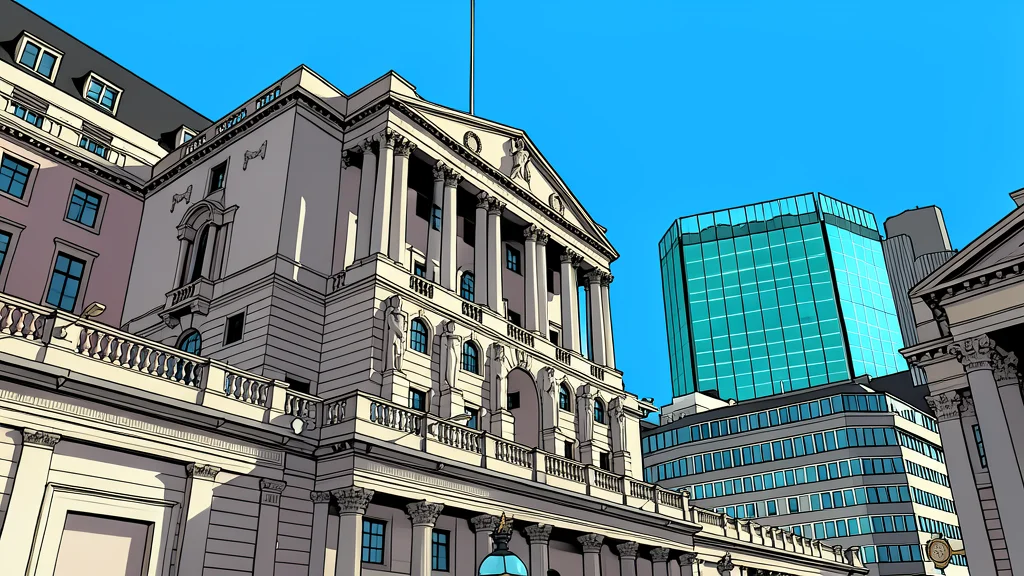
The Bank of England held its benchmark rate at 3.75%. The decision was not unanimous. Three of nine members voted for a 25-basis-point increase. UK inflation remains at 3.1%, well above the 2% target. Markets expect further tightening before year-end. GN markets/policy (en-US) notes the growing divergence between US and UK policy paths.
Divergent Policies Strain Cross-Border Liquidity
Transatlantic rate divergence creates currency mismatch risks. UK-based fintechs holding USD-denominated liabilities face exposure. The US Dollar has strengthened against the Pound. Forward contracts and currency options serve as primary hedges. Cross-border payment platforms using USD-pegged stablecoins must monitor yield spreads. Cash reserves should be held in short-duration Treasury bills.
Interest Rate Swaps Protect Lending Margins
Rising funding costs compress Net Interest Margins for digital lenders. Fixed-rate loan books become less profitable. Pay-fixed interest rate swaps lock in borrowing costs. Interest rate caps provide protection against sudden hikes. These tools safeguard operating margins. Treasury teams must deploy these instruments proactively.
Energy Shocks Drive Inflation Expectations
Geopolitical friction in the Middle East drives energy price increases. Supply-side shocks ripple through global supply chains. US headline inflation holds at 3.4%. UK inflation is expected to rise towards 4% by early 2027. Central banks remain vigilant to second-round price pressures. The macro narrative has shifted from rate cuts to rate defense.