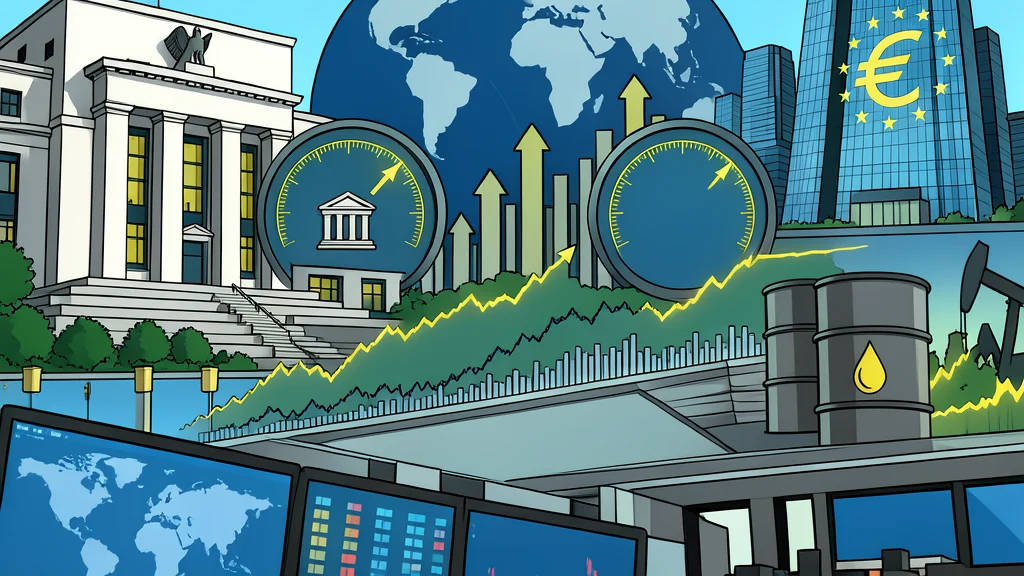
Fed Hike Probability Exceeds 90% as Trade Threats Mount
Traders price a near-certain rate increase ahead of the September meeting, despite executive pressure for cuts.
The probability of a Federal Reserve interest rate hike stands above 90 percent. This figure reflects trader sentiment captured by CME Group tools on September 14. The central bank board convenes on September 15 and 16 to decide on monetary policy. President Donald Trump has publicly demanded lower rates for political advantage. The president issued vague threats to halt trade with nations holding deficits against the United States. These statements serve as leverage against the Fed rather than a coherent trade strategy.
Inflation data drives the market expectation for higher rates. The U.S. Bureau of Labor Statistics reported a 3.4 percent increase in the consumer price index over the past 12 months. Gasoline prices were the primary driver of this rise. This inflation rate outpaces wage growth for American workers. The economic signals contradict the president's call for immediate rate reductions. The conflict occurs seven weeks before the November 3 midterm elections.
Trade deficit data fuels executive pressure
The U.S. Bureau of Economic Analysis reported a goods and services trade deficit of 88.6 billion dollars in July. Imports totaled 399.3 billion dollars while exports reached 310.7 billion dollars. This deficit increased by 17.4 billion dollars from the previous month. The United States recorded trade deficits with 97 countries in 2025. Trump cited these figures to threaten a halt in trading with specific nations. The timing of these threats coincides with the Fed's decision window.
The administration presents conflicting economic signals. Kevin Hassett, director of the National Economic Council, stated that the Fed should preserve its independence. He advised the central bank to leave rates unchanged ahead of the election. Trump threatened an expanded trade war on the same day. This contradiction undermines the credibility of the administration's economic plan. Voters are increasingly aware of these chaotic policy shifts. The impact on consumer prices and political oversight remains a central concern.
Market signals defy political demands
Traders rely on economic data rather than political rhetoric. The 90 percent hike probability indicates a consensus that inflation requires tighter policy. The Fed board, led by new chair Kevin Warsh, faces pressure to maintain independence. The administration's threats do not alter the underlying cost of goods and services. The July trade deficit data highlights structural import dependencies. These factors remain unchanged by executive social media posts.
The September meeting will likely result in a rate increase. This outcome opposes the president's stated desire for the lowest rates in the world. The administration's lack of a clear trade plan adds uncertainty. This uncertainty may further complicate economic forecasting. The midterm elections will determine congressional control over oversight. The interplay between monetary policy and political leverage continues to define the current economic landscape. As reported by GN markets/policy (en-US), the divergence between political goals and market reality remains stark.